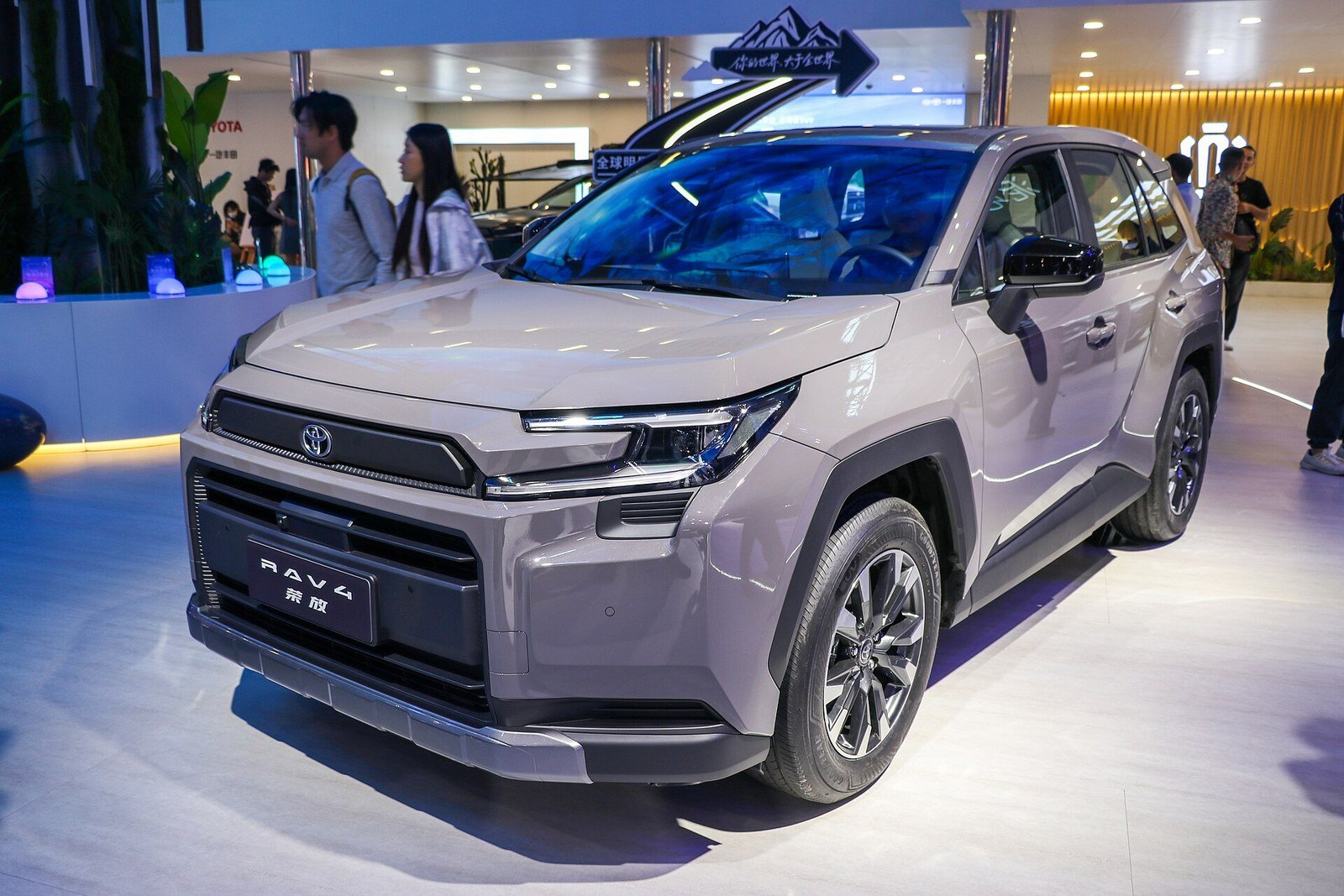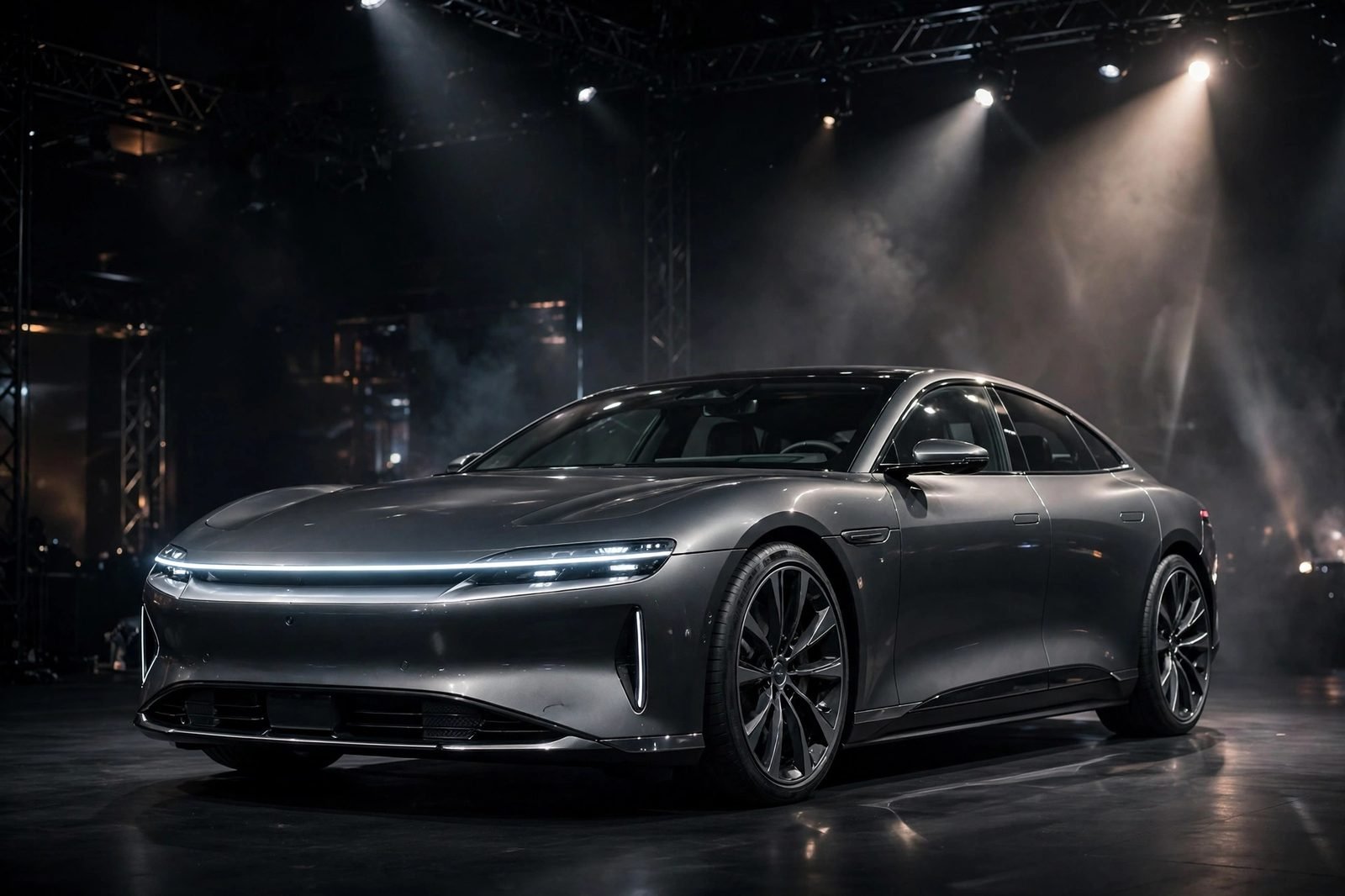
BYD has a new flagship, and it arrived with a genuine surprise. On October 13, the Chinese automaker officially launched the Da Han EV in China — "Da" translates roughly to "great" — a full-size electric sedan that sits above the long-running Han at the very top of BYD's Dynasty lineup. The headline numbers are serious: a claimed 1,008 kilometers of CLTC range, a 0.197 drag coefficient, and charging that BYD says takes the battery from 10 to 97 percent in about nine minutes.
Start with the hardware, because this is where the Da Han makes its case. Every version uses a 102.3 kWh second-generation Blade Battery — BYD's newest lithium-iron-phosphate chemistry — feeding either a single rear motor or a dual-motor all-wheel-drive setup. The rear-drive cars make 370 kW, or about 496 horsepower, with 500 Nm of torque, and hit 100 km/h in a claimed 4.9 seconds. The all-wheel-drive flagship pairs motors for 570 kW (764 hp) and 910 Nm, cutting the sprint to a claimed 3.3 seconds. CarNewsChina's launch breakdown lists the full spec sheet, and it's worth a read if you want every figure in one place.
That 1,008 km figure belongs to the rear-drive versions, achieved at a claimed 11.5 kWh per 100 km — remarkably low consumption for a sedan measuring 5,256 mm long and 1,999 mm wide. The AWD flagship trades some range for pace but still claims 880 km CLTC. As always with Chinese test-cycle figures, treat CLTC numbers as optimistic next to EPA or WLTP ratings; the honest comparison is against other CLTC-rated cars, and on that scale the Da Han sits at the very top of the heap.
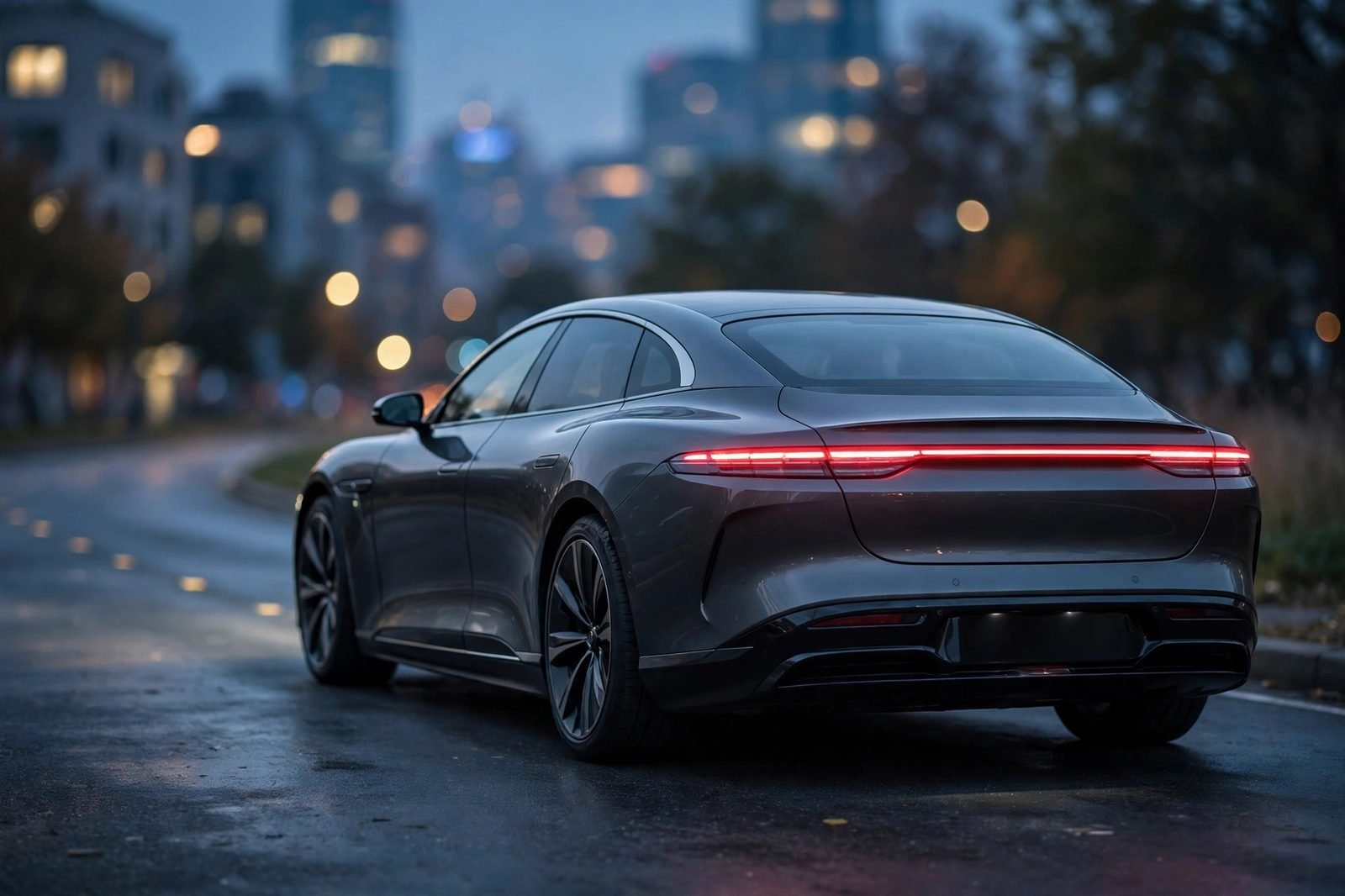
Then came the pricing twist. When the Da Han opened for pre-sales at the Chengdu show in August, BYD indicated ¥249,900 to ¥299,900. The official launch prices landed lower across the board: ¥235,900 for the RWD LiDAR Premium, ¥249,900 for the RWD LiDAR Flagship, and ¥275,900 for the AWD LiDAR Flagship. GlobalAutoInsight reports the cuts run ¥14,000 to ¥24,000 per trim — roughly $33,700 to $39,400 at current exchange rates. Launch-day price cuts are rare enough to be a story on their own; they read as BYD going straight for order books rather than testing how much the market will bear.
Charging is the second headline act. BYD says the Da Han supports its flash-charging technology, taking the battery from 10 to 97 percent in approximately nine minutes on compatible high-power equipment — and buyers get a year of free flash charging as a launch sweetener. The usual caveats apply: you'll need one of BYD's compatible chargers, and real-world times depend on battery temperature and state of charge. But nine minutes to nearly full is the kind of number that reframes what a "charging stop" even means.
Underneath, the Da Han reads like a greatest-hits compilation of BYD's recent engineering. DiSus-A dual-chamber air suspension is standard, rear-wheel steering shrinks the turning circle to a claimed 4.95 meters despite the 3,130 mm wheelbase, and the LiDAR-equipped trims carry BYD's latest driver-assistance hardware. This is a car designed to waft, not to hustle — the brief is clearly "Chinese S-Class that happens to be electric," not "sport sedan."
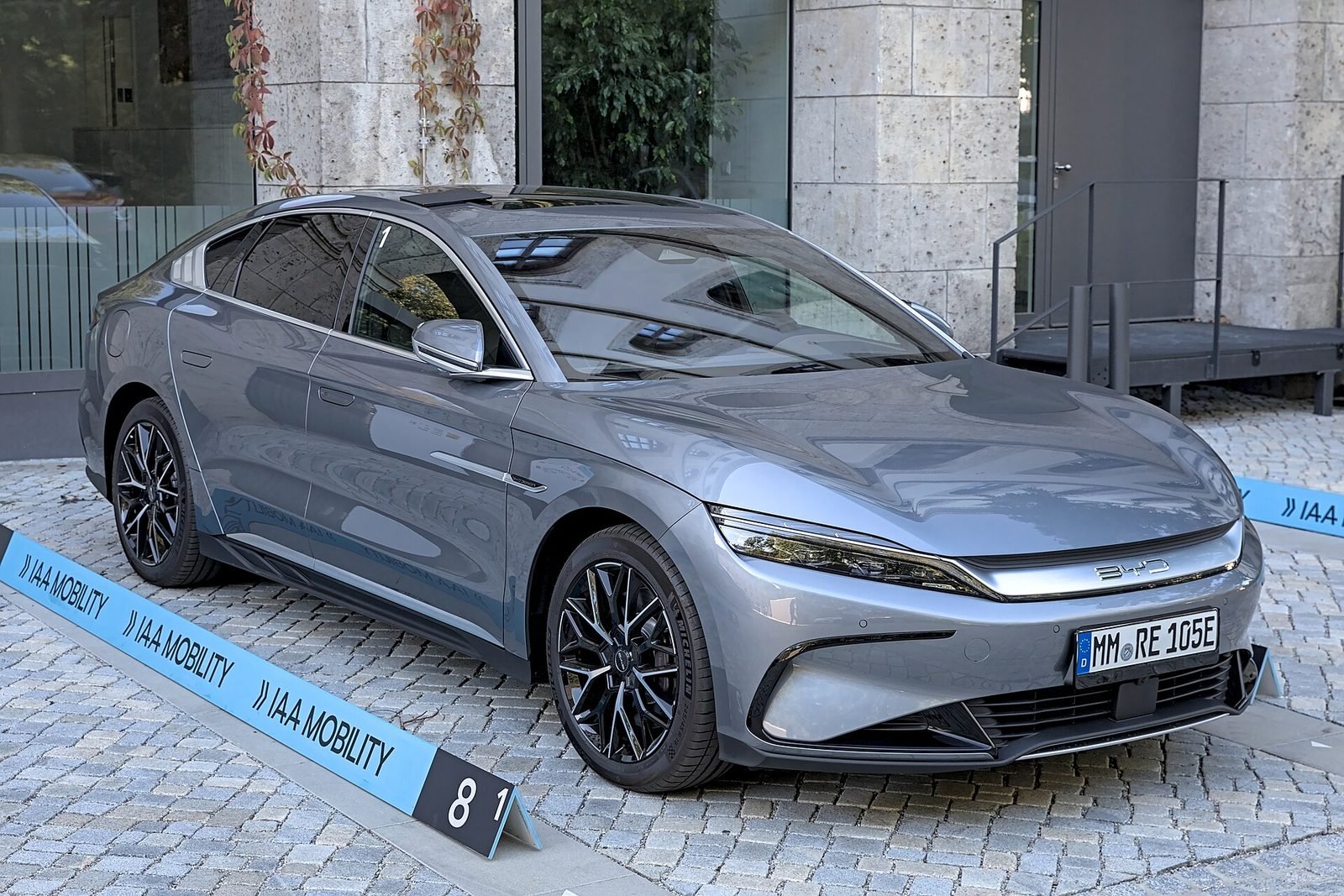
The business context matters here. BYD delivered 3,131,576 vehicles in the first nine months of 2026, down 3.94 percent year over year — but September snapped back with 463,561 deliveries, up 17 percent, and exports surged 153.9 percent to 179,877 units. First-half net profit fell 20.5 percent to RMB 12.3 billion. Read together, the picture is a company winning on volume abroad while fighting margin pressure at home. A flagship sedan that commands higher prices — and undercuts its own presale pricing to guarantee demand — is exactly the kind of product BYD needs right now.
Should American buyers care about a car they can't buy? Probably, yes — just not for the obvious reason. BYD doesn't sell passenger cars in the United States, and nothing about the Da Han launch changes that. But the technology underneath it — second-generation Blade batteries, 11.5 kWh/100 km efficiency in a full-size sedan, nine-minute charging — is the benchmark every global automaker now has to answer. CleanTechnica's early analysis argued the Da Han is aiming at the Mercedes S-Class's benchmark status, not just at other EVs. That's the right frame: this is BYD saying the flagship sedan of the electric era doesn't have to come from Stuttgart.
Customer deliveries are scheduled to begin within two weeks of the launch. The numbers to watch now are order intake and whether rivals — NIO, Zeekr, and the German luxury brands — feel forced to respond on price, range, or charging speed. The Da Han didn't just raise the bar for Chinese flagships. It moved the bar for everyone.