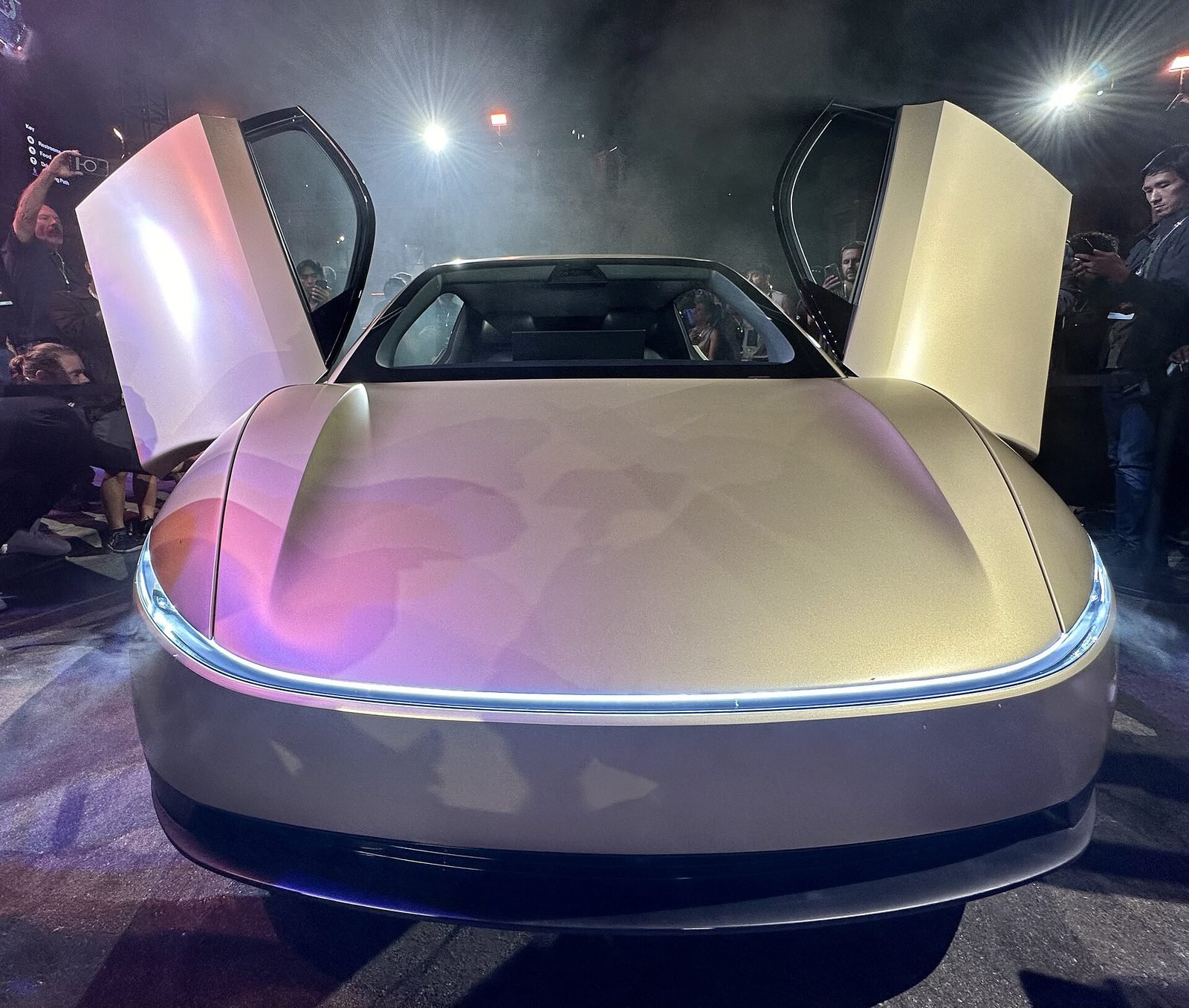
Tesla's robotaxi business just had its biggest month. The company's official Robotaxi account announced on X this past weekend that more than 300 Cybercabs are now serving Austin — "an 8x increase in 30 days," in Tesla's words — alongside a short video of the gold two-seaters working the city's streets.
Do the math and the starting point was roughly 38 cars. One month later, Tesla's purpose-built driverless car has gone from a curiosity to a fleet — the fastest public ramp the company has ever managed in autonomous ride-hailing, and a number no other robotaxi operator has matched with a camera-only vehicle.
The numbers behind the milestone
Texas registration data backs up the scale, if not the exact count. The state's automated vehicle registry showed Cybercab registrations climbing from 169 in early October to 319 after a batch of 150 new VINs hit the books, with Tesla registering roughly 20 new cars a day at the peak. All told, Tesla now has around 739 autonomous vehicles registered in Texas, with Cybercabs making up about 43% of that total and most of the rest being modified Model Ys — roughly 420 of them.
Registration and active service aren't the same thing, and Tesla hasn't said how it defines a car "serving" Austin. But the registry count and the company's own claim are telling the same story: this thing is scaling fast.
How Austin got here
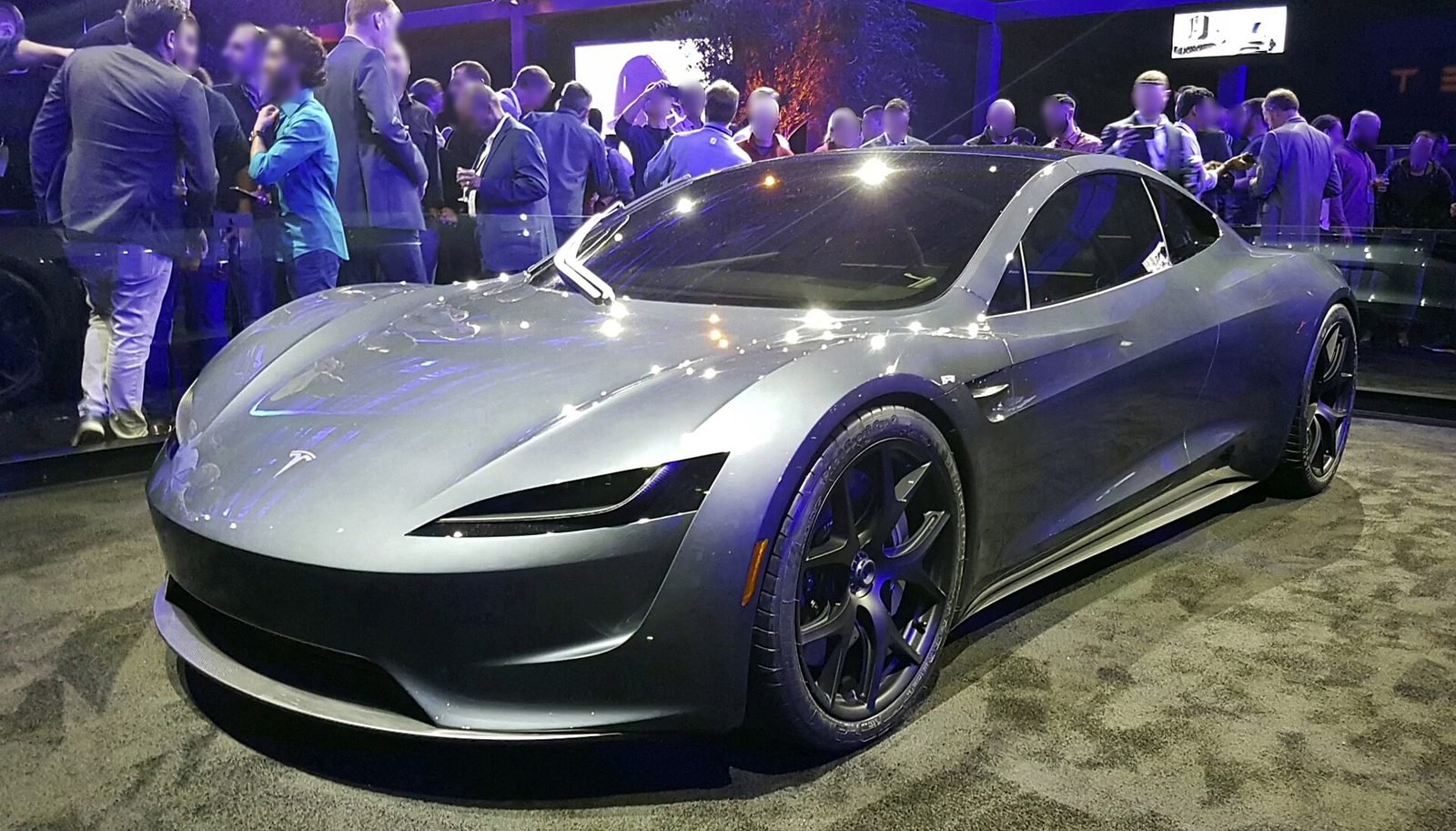
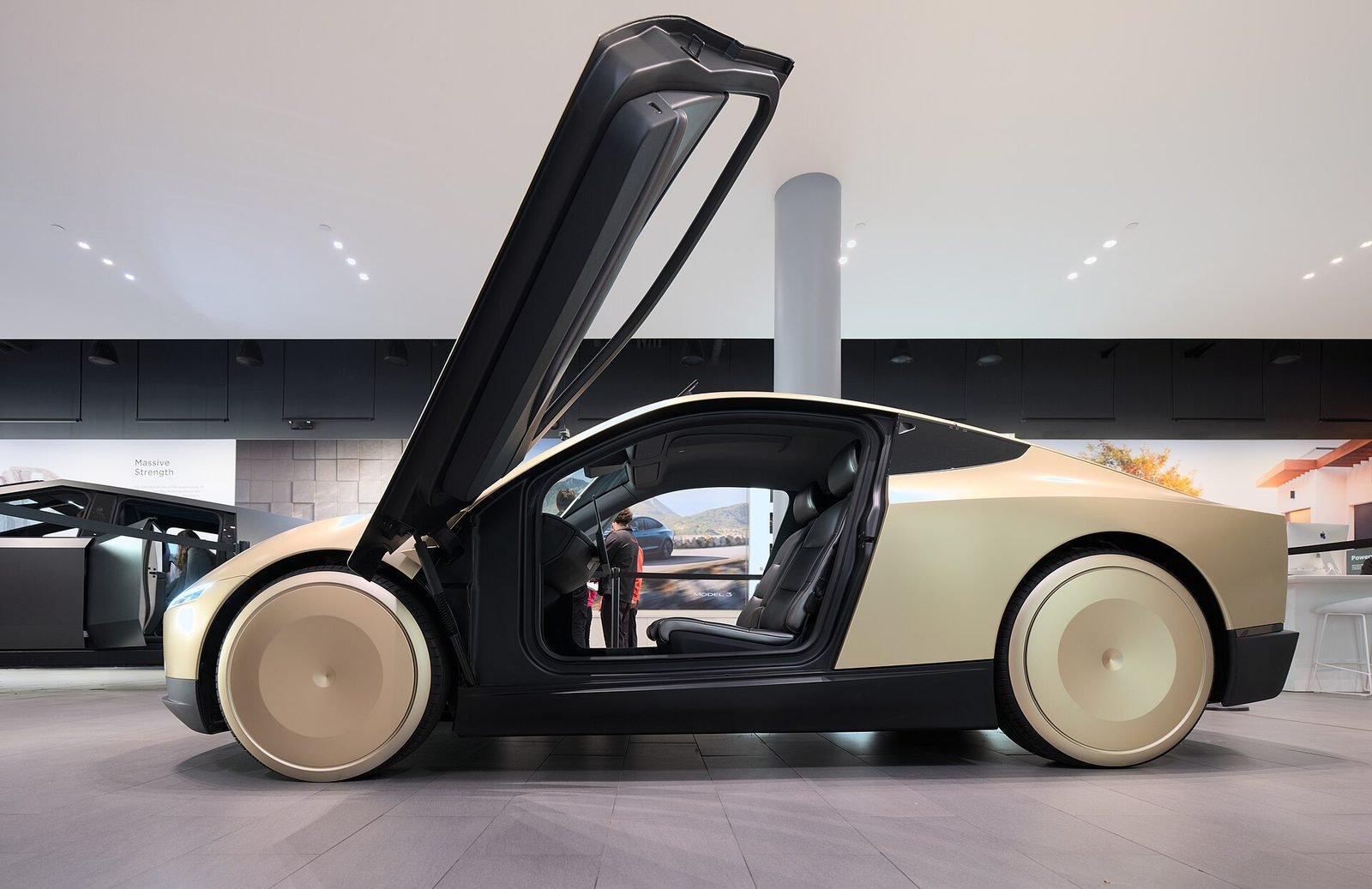
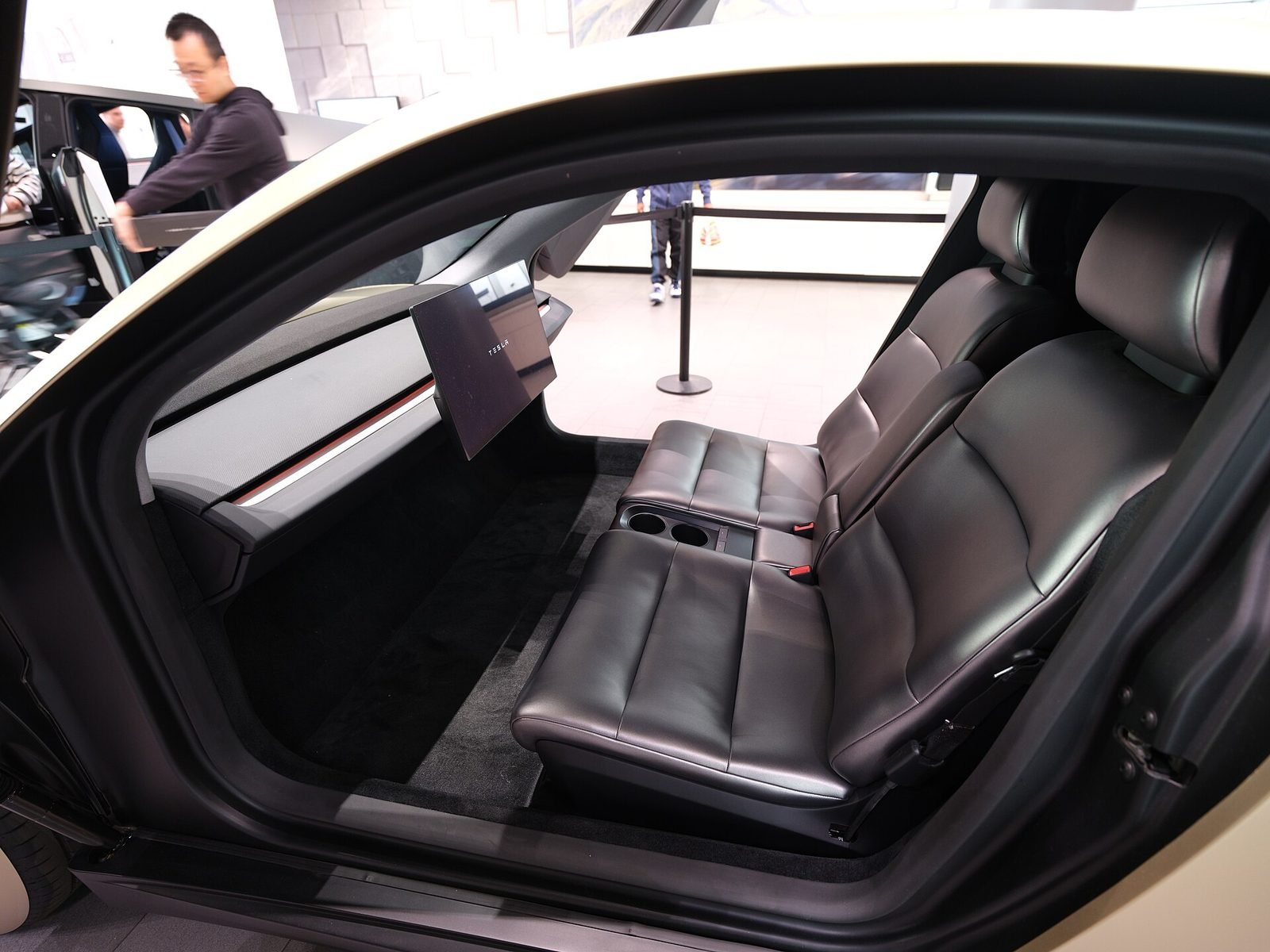
The Cybercab broke cover at Tesla's "We, Robot" event in October 2024 — a gold two-seater with no steering wheel, no pedals, and butterfly doors, which Musk said would cost under $30,000 with production starting in 2026. Austin became the proving ground. Tesla held a private launch event on September 3, opened public rides the next day through its Robotaxi app, and had about 45 Cybercabs registered in the state at the time. At that event, AI chief Ashok Elluswamy said the robotaxi fleet had crossed a million unsupervised miles.
The Robotaxi account has been narrating the ramp in real time: "Cybercab #67 joined the Austin fleet" on September 21, then "420 Model Ys" and "69 Cybercabs" on September 24. A few weeks later came the "Floodgates are opening" tease. This weekend's 300-plus announcement was the payoff.
Why Austin works for Tesla
Austin has been Tesla's autonomy lab for over a year. The company started robotaxi service there in June 2025 with modified Model Ys — invite-only at first, a flat $4.20 fare, a safety monitor riding shotgun on every trip. Today the service area covers 246 square miles and runs until 11 at night. Building the Cybercab at Gigafactory Texas, minutes from the service area, means new cars go from the factory floor to paid service with almost no logistics in between. That short trip is a genuine structural advantage that no rival can copy quickly.
Dallas is next — probably
Elluswamy quote-posted the 300-car announcement with a line that did the rounds: the Cybercabs are "everywhere in Austin now. Dallas soon." No date, no details — but Dallas is already one of Tesla's seven active Robotaxi markets, with a 31-square-mile service area where unsupervised Model Ys are running today. Spotters have also photographed large groups of Cybercabs staged at lots in Houston and Miami, so Dallas may be first in line rather than the only next step.
What Tesla isn't saying
The announcement leaves the interesting questions unanswered. Tesla hasn't said how many of the 300-plus cars run fully unsupervised versus with a safety monitor on board. It hasn't said whether wait times or service hours have changed as the fleet grew. And charging remains the awkward footnote: employees still plug the cars in by hand, which sits oddly with the driverless pitch. Tesla is building a charging hub on St. Elmo Road in Austin with 48 fast chargers and 80 wireless chargers — the wireless part is the one that actually matters for a robotaxi — but there's no public timeline for it.
Regulators are watching, too. NHTSA is reviewing school-zone speed compliance and the certification of a steering-wheel-free vehicle, with Tesla facing an October 30 response deadline. And with third-quarter earnings due October 21, investors will want to hear about 24-hour operation plans and the wireless charging timeline — not just the vehicle count.
The bigger bet
Step back and the fleet number is almost beside the point. Austin is now the largest live test of Tesla's core wager: that cameras and a dedicated AI chip can do the job rivals do with lidar, radar, and a human-style dashboard. Waymo's stack is heavier and more expensive; Tesla's is cheaper and — if it works — far more scalable. Three hundred cars in one city doesn't settle that argument. But it's the first time Tesla's camera-only bet has operated at anything resembling real scale, and the pace of the ramp suggests the company finally believes its own hardware.
Dallas will be the harder test: denser traffic, different weather, less forgiving roads. We'll see what "soon" means.
For now, the scoreboard is simple: Tesla has the only purpose-built robotaxi in paid public service at anything like this scale, and it is adding cars at a pace the industry has never seen. Whether that pace survives contact with regulators, Dallas traffic, and the grinding economics of running a fleet around the clock is the story we will be tracking into 2027.