Bikes
Yamaha's Self-Driving Motorcycle Just Broke the Internet — Here's What the MOTOROiD2 Actually Is
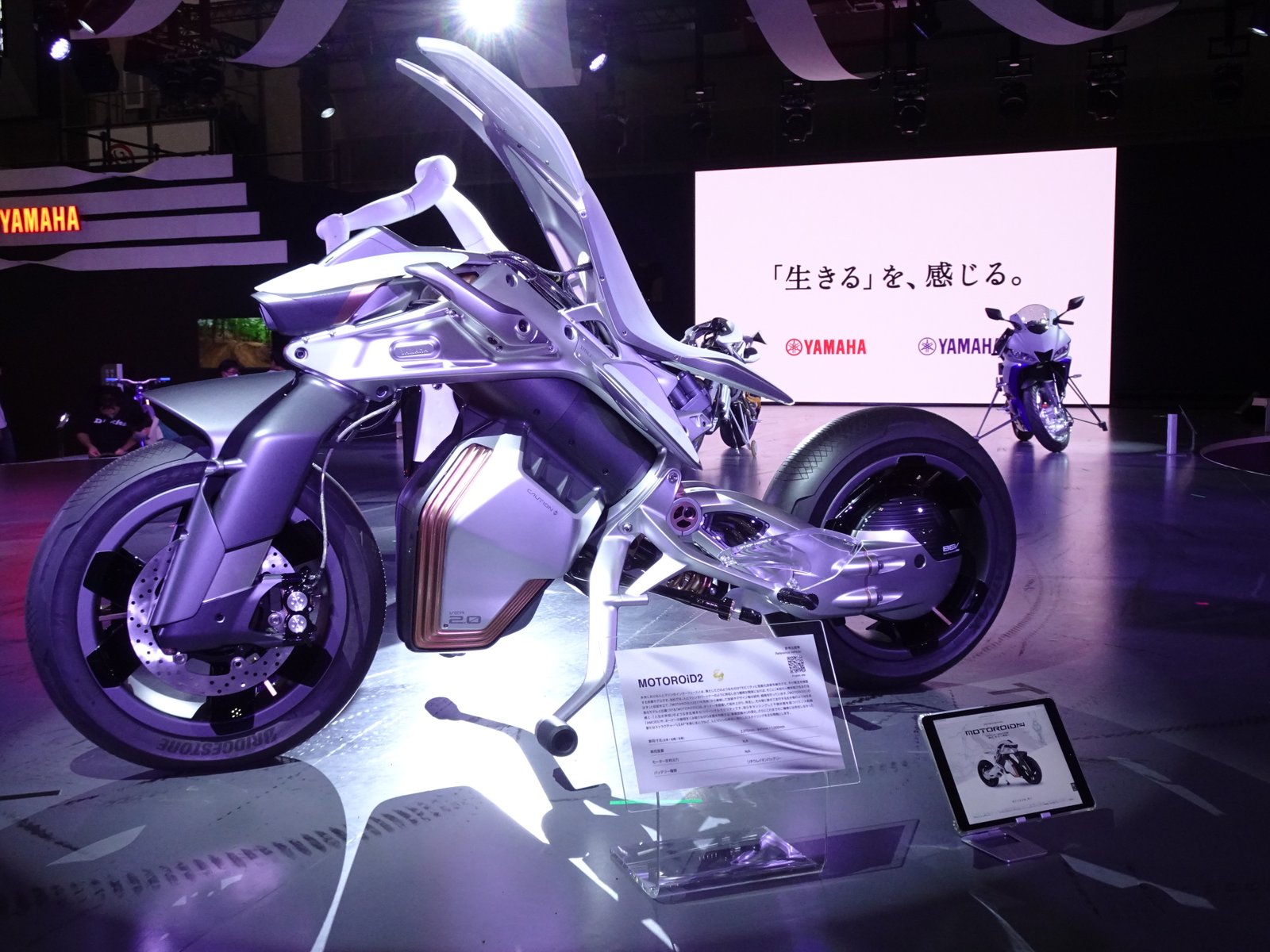
A 33-second video of a motorcycle standing up by itself, balancing on two wheels with nobody aboard, and rolling over to greet its owner just pulled 80,000 views overnight. The comments are split between "this is CGI" and "take my money." It's neither. That's Yamaha's MOTOROiD2 — a real, working, electric concept motorcycle that the company has been quietly developing for the better part of a decade. It recognizes your face. It follows you around. It parks itself and puts its own kickstand down. And no, you can't buy one.
What you're actually looking at
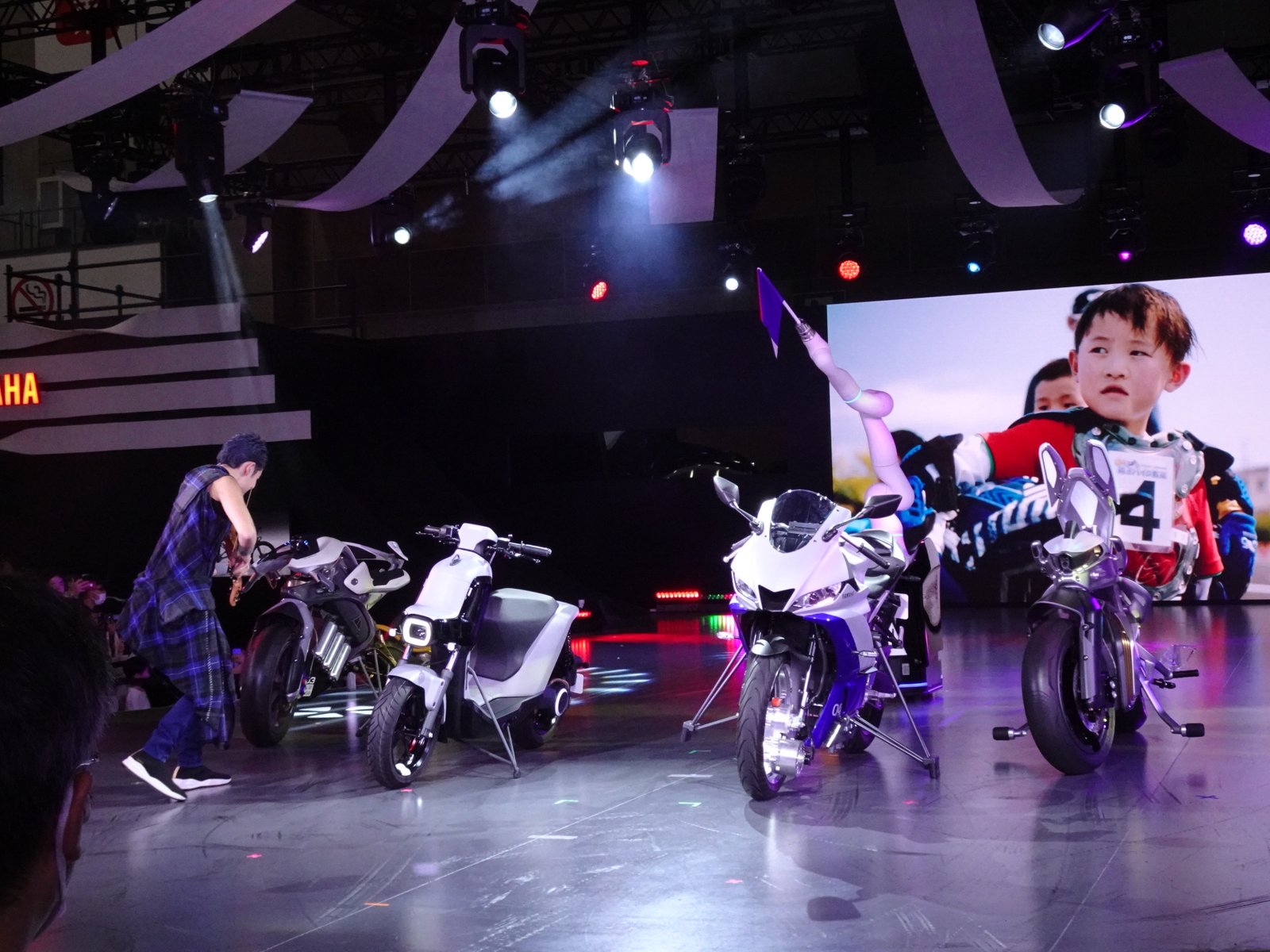
The MOTOROiD2 is the second generation of an experiment Yamaha started in 2017 with the original MOTOROiD, unveiled at that year's Tokyo Motor Show. The sequel broke cover at the Japan Mobility Show in 2023, where Yamaha staged choreographed demonstrations — the bike rising from its stand, mirroring dancers' movements, even carrying a standing rider while reversing. Yamaha describes it as an exploration of the future of human-machine interfaces: not a product, but a rolling laboratory for the idea that a vehicle and its rider could relate to each other more like partners than like tool and user.
Strip away the sci-fi bodywork and the core is an electric motorcycle with a hub-driven rear wheel. Everything else is deliberately alien. There's no handlebar. There's no conventional instrument cluster. The translucent body panels and blue mood lighting make it look less like a machine and more like something that hatched. That's intentional — Yamaha's engineers talk about the bike having a "lifelike" presence, and after watching it unfold itself and roll toward a person it recognizes, the word fits uncomfortably well.
How it balances with nobody on it
The party trick is Yamaha's AMCES — Active Mass Center Control System. Instead of the gyroscopes or outrigger wheels you'd expect, the bike balances by shifting its own weight. The battery pack and the entire rear swingarm assembly sit on a motorized pivoting mount under the saddle, and the system continuously slides that mass around to keep the center of gravity over the contact patches. The result is a motorcycle that can stand upright at a stop, rise from its kickstand on command, and creep along at walking pace with no rider and no visible means of support.
It's worth pausing on how hard that is. A bicycle stays up through a cocktail of steering geometry, gyroscopic forces, and a rider's constant micro-corrections. Remove the rider and the steering input, and a two-wheeler wants to fall over immediately. AMCES solves it the way a tightrope walker does — by moving mass, constantly, faster than you can see. The pivoting swingarm does double duty: it also lets the rear wheel swivel independently of the rest of the bike, which is what gives the MOTOROiD2 its eerie, swaying, creature-like gait in the demo videos.
It knows your face — and takes orders
The second half of the magic is the AI. A small camera in the bike's front end runs image recognition that identifies the owner's face from a distance. Walk up and the bike wakes, retracts its stand, and gets ready. Like calling a dog, you can then direct it with gestures or voice: it will stop, go, or walk alongside you as you move. In Yamaha's stage demos, raising both arms meant "stop" and one arm meant "reverse" — commands the bike obeyed instantly, while continuing to balance.
When it's time to ride, the interface gets stranger. Where handlebars would be, the MOTOROiD2 has a folding panel Yamaha calls the LEAF — a haptic structure that senses the rider getting on and off and reads body language to adjust its behavior. It enables riding positions no production bike offers: a conventional seated posture, a jockey crouch with knees in built-in holds, and a full standing "centaur" stance. In one demo, a rider stood upright on the bike while it continued to sway and reverse into position. Whether that's the future of motorcycling or a circus act depends on your tolerance for being stared at in traffic.
Jin-Ki Kanno, or why Yamaha built a robot pet
Yamaha frames all of this around a phrase: Jin-Ki Kanno — roughly, the blissful sensation of rider and machine moving as one. It's been the company's design mantra for years, and the MOTOROiD program is where they take it literally. The goal was never a spec sheet; it was an emotional response. Yamaha wanted a machine that behaves less like a vehicle and more like a living companion — something that greets you, follows you, and feels aware of you.
That's also why the tech will matter more than the bike. Yamaha has been explicit that the MOTOROiD2 is a research platform, not a product — the company calls it a "personal mobility concept" and a reference vehicle for studying human-machine interaction. But the underlying systems have obvious places to land: self-balancing tech that keeps a scooter upright at a stoplight would make two-wheelers radically more accessible to nervous beginners and older riders. A bike that can park itself and deploy its own stand solves the dropped-bike problem that sends plenty of riders to the repair shop. The companion theatrics are the demo; the balance control is the product.
Yamaha isn't the only one chasing this
The MOTOROiD2 looks like science fiction, but the industry has been circling the same ideas. Honda showed its Riding Assist concept — a self-balancing motorcycle derived from its UNI-CUB mobility research — back in 2017, using a variable-caster front end rather than Yamaha's mass-shifting approach. BMW went further in the other direction with a fully autonomous R 1200 GS that rode itself around a test track in 2018, chasing data for rider-assistance systems rather than companionship. Nobody has shipped any of it. The gap between a stage demo and a street-legal, crash-tested, mass-produced self-balancing motorcycle is roughly the size of the motorcycle industry's entire R&D budget.
Which is exactly why the viral video matters more than the engineering. Concepts like the MOTOROiD2 are how manufacturers test which futures the public actually wants. Eighty thousand views and a thousand likes in a day is a data point Yamaha's planners will notice: people don't just tolerate the idea of an emotional, semi-autonomous motorcycle — they're delighted by it. The specific bike will never reach a showroom. The question it asks — what if your motorcycle knew you? — just got its answer from the internet.
Sources & further reading
- Yamaha Motor — MOTOROiD2 official page
- Hypebeast — Yamaha integrates robotics and AI for the MOTOROiD 2
- Supercar Blondie — Yamaha's self-driving bike recognizes its owner
- autoevolution — MOTOROiD2 gesture control and stage demo
- Yamaha MOTOROiD 2 in action — self-balancing demo (YouTube)
- MOTOROiD 2 balances without a rider — short demo (YouTube)
Concept details from Yamaha Motor's official MOTOROiD2 materials and Japan Mobility Show 2023 demonstrations; demo descriptions cross-checked across Hypebeast, Supercar Blondie, autoevolution, and RideApart. The MOTOROiD2 is a non-production research concept.