Mercedes-AMG just revealed an electric family SUV with 1,153 horsepower. That’s the headline. The real story is the charging: up to 710 kW, 10 to 80 percent in 12 minutes, and 83 kWh added in ten minutes — numbers that make today’s fastest-charging EVs look like they’re sipping through a straw.
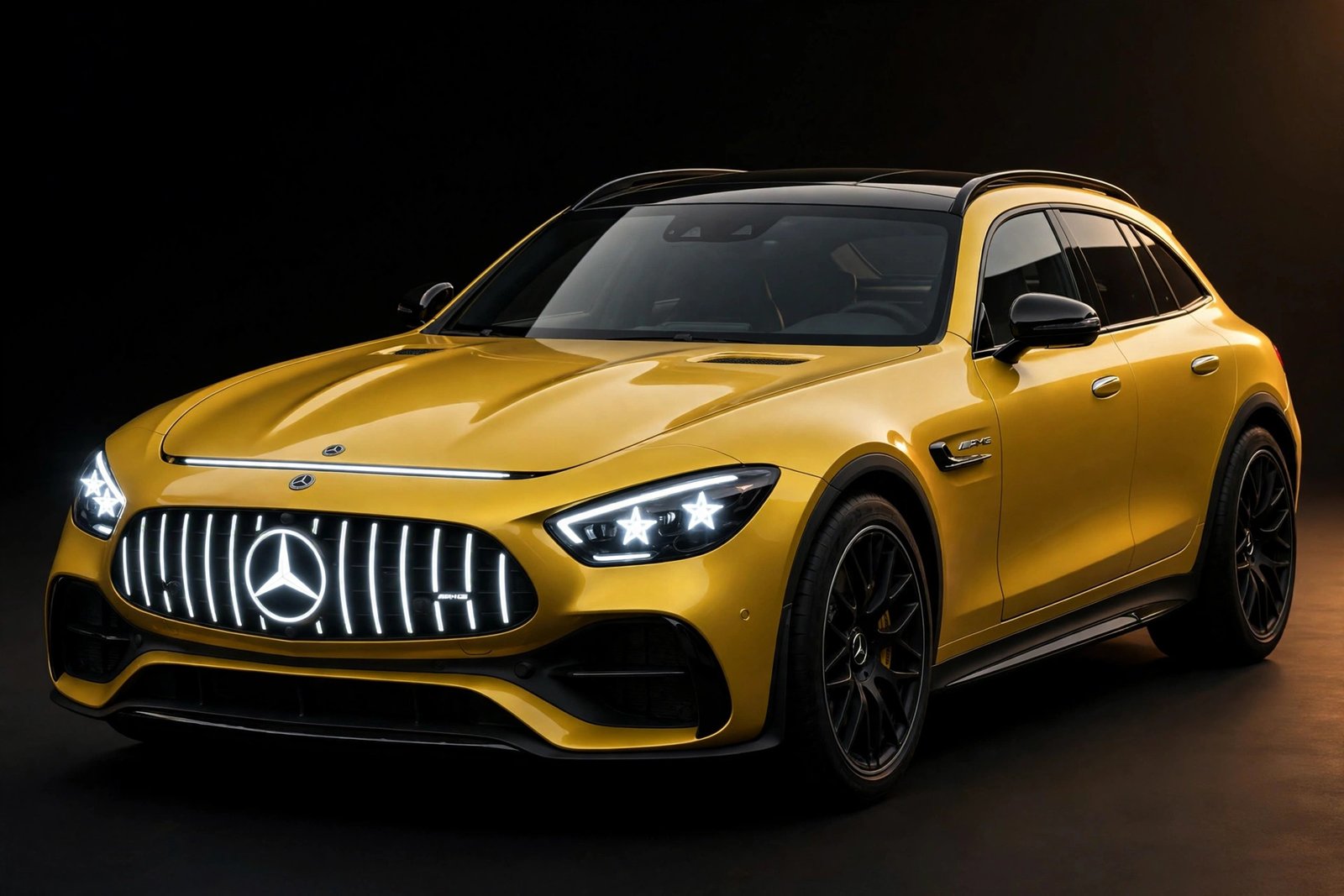
The 2028 Mercedes-AMG GT SUV broke cover on October 17, 2026, and it’s a bigger deal than the horsepower suggests. This is the first full-size SUV AMG has developed entirely in-house in the company’s 59-year history, and the second vehicle on its dedicated AMG.EA electric architecture after the electric GT 4-Door Coupe, as Electrek reports. US dealers get it in summer 2027. Here’s everything that matters — including the 63-second catch nobody’s leading with.
Three trims, one platform
Mercedes is launching three versions in the US, all riding on an 800-volt architecture. The numbers below are Mercedes’ claims, compiled from InsideEVs, Edmunds, and The Torque Report:
| Trim | Motors | Peak HP | Continuous HP | Torque | 0–60 mph | Battery | Peak charging |
|---|---|---|---|---|---|---|---|
| GT 63 | 3 axial-flux | 1,153 | 711 | 1,475 lb-ft | 2.6s (2.4 w/ rollout) | 128 kWh | 710 kW |
| GT 55 | 3 axial-flux | 805 | 711 | 1,372 lb-ft | 3.0s (2.7 w/ rollout) | 128 kWh | 710 kW |
| GT 53 | 2 synchronous | 536 | 362 | 590 lb-ft | 4.1s (3.7 w/ rollout) | 106 kWh | 600 kW |
The GT 63’s party tricks don’t stop at the launch: 0–124 mph takes just 7.2 seconds and top speed is 168 mph. The GT 55 needs 9.9 seconds to reach 124 mph. All of this in a five-seat SUV that weighs 5,941 pounds and offers 21.4 cubic feet of cargo plus a 2.8-cubic-foot frunk.
The 63-second catch
Here’s the detail buried in the spec sheets: the GT 63’s 1,153 hp is a peak figure that lasts 63 seconds, as AUTO TV’s first look points out. After that, the car settles to its 711 hp continuous output — still enormous, but a meaningful step down from the headline number.
Honestly? This is the right way to do it, and AMG deserves credit for publishing both figures. That 63-second window covers any launch, any highway pull, and any quarter mile you’ll ever attempt. What matters more for real driving is the continuous rating: 711 hp that the car can sustain without thermal derating — the tendency of high-powered EVs to quietly cut power as motors and batteries heat up during repeated hard runs. AMG developed the whole setup, including oil-cooled cylindrical cells and AI-driven thermal management, specifically so the second, third, and tenth full-throttle pull feel like the first.
The charging is genuinely wild
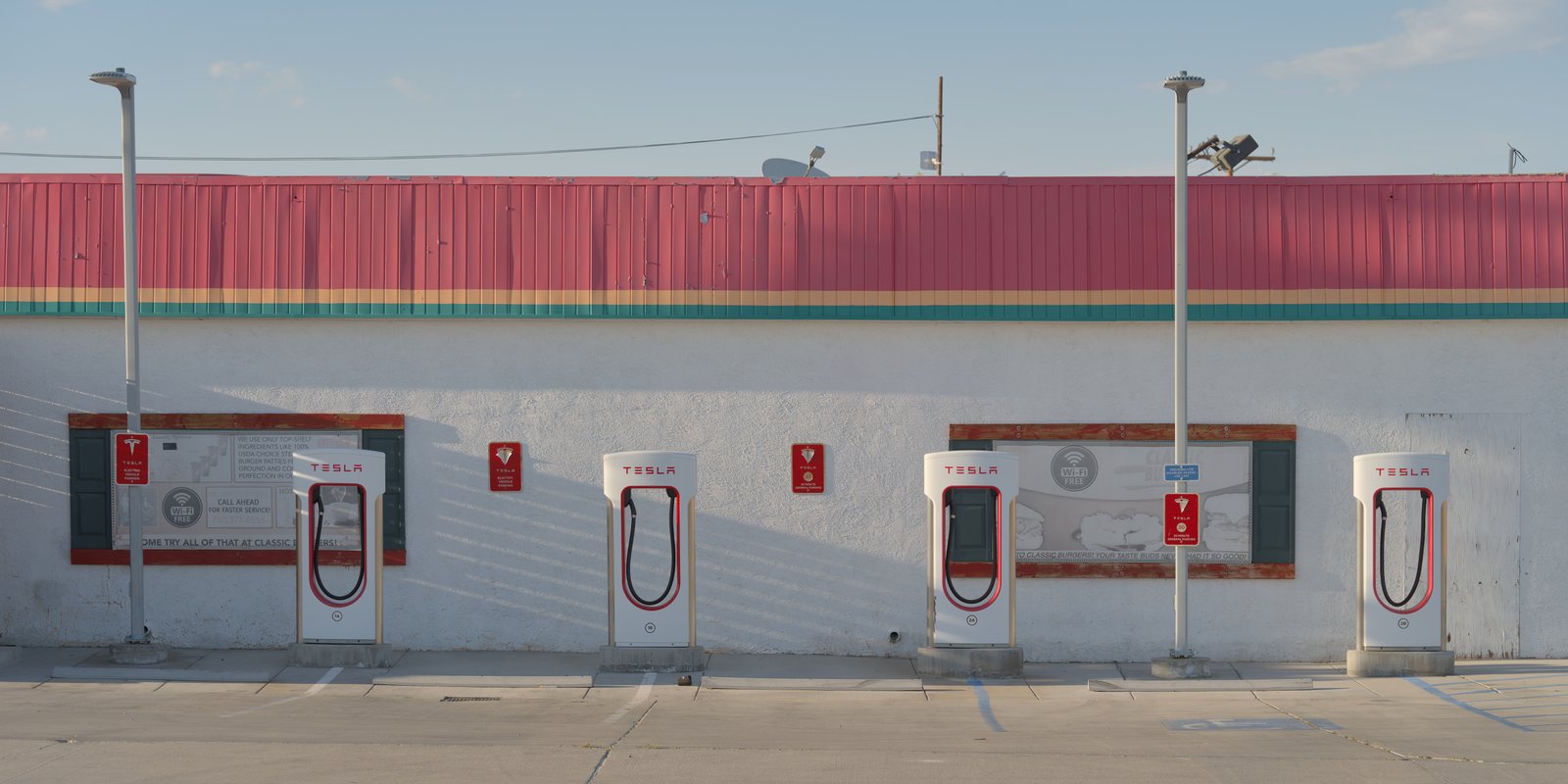
Let’s put 710 kW in context. The fastest-charging EVs on American roads today — 800-volt cars like the Hyundai Ioniq 5, Kia EV9, and Porsche Taycan — peak around 230 to 350 kW. Tesla Superchargers top out near 250 to 325 kW. The AMG GT SUV more than doubles that.
Mercedes says the 128 kWh pack can add 83 kWh in ten minutes — an average of about 498 kW across the session — which translates to roughly 282 miles of WLTP range. A 10-to-80-percent charge takes 12 minutes; the smaller 106 kWh pack in the GT 53 does it in 11 minutes at up to 600 kW.
The battery tech behind it is serious: cylindrical cells with NCMA cathodes and silicon-containing anodes, with electrically nonconductive oil flowing around each cell for cooling — a thermal-management approach derived from Formula 1, per InsideEVs. There’s also a DC-DC converter that steps the 800-volt pack down to 400V so the car can still use slower, older chargers, plus 11 kW AC charging for home.
Now the reality check: almost no public charger in America can deliver 710 kW today. The fastest widely deployed chargers top out well below that. So the headline charging speed is future-proofing as much as it is a usable feature — you’ll need next-generation infrastructure to see the full number. What you will feel immediately is that even on today’s best chargers, this SUV will max out whatever plug you connect it to.
Pancake motors: why axial-flux matters
The GT 63 and GT 55 use three axial-flux motors — one up front, two at the rear — and this is the most interesting hardware on the car. Axial-flux motors are flat, pancake-shaped units that deliver far more power for their weight than the conventional radial-flux motors in nearly every other EV. Mercedes bought UK axial-flux specialist YASA back in 2021, and this is the technology paying off, as Electrek notes.
The layout is clever: the front motor acts as a booster, engaging only when you need the power or traction and decoupling under light loads for efficiency. The two rear motors each drive a wheel, enabling true torque vectoring. It’s a setup designed for both the spec sheet and the circuit — predictive track software even allocates power around a lap, saving energy where full power isn’t needed so more is available for the straights.
The fake V8 (yes, really)
Here’s where AMG admits who it’s really selling to: buyers who will miss the theater. The standard AMGFORCE Sport+ program pipes in a recorded AMG V8 soundtrack on the GT 55 and GT 63 (a six-cylinder on the GT 53), simulates paddle-shifted gear changes, and adds seat vibrations to sell the illusion. There are rotary dials for motor response, nine levels of traction control, and cornering behavior adjustable from understeer to “controlled” oversteer.
Is it silly? Maybe. But MotorTrend’s first look makes the case that the theater is the point — AMG has spent decades convincing buyers that excess is worth paying for, and going electric just gives it new ways to make that argument. The cabin backs it up with a 14-inch MB.OS center display integrating AI agents from ChatGPT, Microsoft, and Google, plus a 10.2-inch driver display and an optional passenger screen.
AMG vs Porsche Cayenne Electric: the fight nobody’s scoring
Every outlet mentions the rivalry in passing — Electrek calls the GT SUV “AMG’s answer to the Porsche Cayenne Electric, and on paper, it may be more impressive” — but nobody has actually scored the fight. So let’s do it.
Power: On paper, AMG wins decisively. The GT 63’s 1,153 hp peak (711 hp continuous) is supercar territory in a family SUV. Porsche hasn’t published a direct answer at this output level.
Charging: AMG wins again on paper — 710 kW peak is nearly double what the quickest-charging EVs on sale today accept. If Porsche wants to counter, it’ll need its next-generation charging hardware to match.
Price: This is where it gets interesting, and it’s a blank. AMG hasn’t announced US pricing. The one hard number we have: the Porsche Cayenne Turbo Electric starts at $163,000, per AUTO TV. For reference, the GT 53 starts at €113,050 in Germany, and the electric GT 4-Door Coupe runs from €115,430 to €196,350 there. Expect the GT 63 to land deep into six figures in the US — plausibly right on top of the Cayenne Turbo Electric.
The verdict so far: AMG is swinging for the fences on every measurable spec, and it’s doing it with genuinely novel hardware (axial-flux motors, oil-cooled cells) rather than just a bigger battery. But specs aren’t the whole fight — Porsche’s advantages have always been chassis tuning, brand loyalty, and dealer experience. The real comparison happens when both are on American roads in 2027. We’ll be first in line.
Price and timing
US pricing is unannounced, and Mercedes is in no hurry to share it. What we know: the GT 53 starts at €113,050 in Germany, and the first US deliveries land in summer 2027. Given the positioning — and that $163,000 Cayenne Turbo Electric sitting right in the crosshairs — expect the GT 63 to sticker well into the $150,000-plus range when American order books open.
Quick answers
How much horsepower does the 2028 AMG GT SUV have? The GT 63 makes 1,153 hp peak (711 hp continuous), the GT 55 makes 805 hp peak (711 hp continuous), and the GT 53 makes 536 hp peak (362 hp continuous).
How fast does the AMG GT SUV charge? Up to 710 kW peak on the 128 kWh battery (600 kW on the 106 kWh pack). Mercedes claims 10–80% in 12 minutes and 83 kWh — about 282 miles of WLTP range — added in 10 minutes.
What’s the range of the AMG GT SUV? WLTP estimates are 385–435 miles for the GT 63/55 and 371–415 miles for the GT 53. EPA figures aren’t published yet; expect low-to-mid 300s in the US.
When can I buy one, and how much will it cost? First US deliveries arrive in summer 2027. Pricing is unannounced, but the Porsche Cayenne Turbo Electric it targets starts at $163,000 — expect the GT 63 to land in similar territory.
What’s the catch with the 1,153 hp figure? It’s a 63-second peak. After that the GT 63 settles to its 711 hp continuous output — still massive, and more than enough for any real-world driving, but the headline number isn’t permanent.
The bottom line
The 2028 AMG GT SUV is the most extreme electric family hauler ever revealed: 1,153 hp, 2.4 seconds to 60, and charging hardware that embarrasses everything on the road today. The 63-second peak is honest fine print, not a trick — and the real story is the engineering underneath, from pancake motors to oil-bathed battery cells. Porsche should be nervous. The rest of us should start saving.