Porsche is about to do something it hasn’t done in over a decade: build a proper halo car. This week in New York, the company will pull the cover off the Mission S — a mid-engined super sports car concept previewing an entirely new model line positioned above the 911. If the name sounds unfamiliar, the ambition won’t: this is Porsche’s first range-topping supercar since the 918 Spyder, and the company is treating it like the opening chapter of its next era.
The announcement came at Porsche’s Capital Markets Day in Weissach on October 7, the centerpiece of a new product strategy called Sportwagenschmiede ’35 — “sports car forge.” CEO Michael Leiters, the former Ferrari technical chief and McLaren CEO who took Porsche’s top job with a reputation for straight talk, was direct: “We are developing a super sports car platform, and we intend to use it as the basis for a new mid-engined car.” Of the Mission S itself he was more careful, describing it as “an idea of what such a car might look like” — concept language, not a production promise.
Above the 911
The positioning is the story. The 911 has been Porsche’s undisputed king for 60 years, and everything else in the lineup — the 718s, the Taycan, the Panamera — has lived in its shadow. A dedicated mid-engined platform for a model line above the 911 changes the hierarchy. The words “model line” matter, too: Porsche is talking about a platform that could carry more than one car, the way the 911’s architecture underpins coupes, convertibles, and track weapons alike.
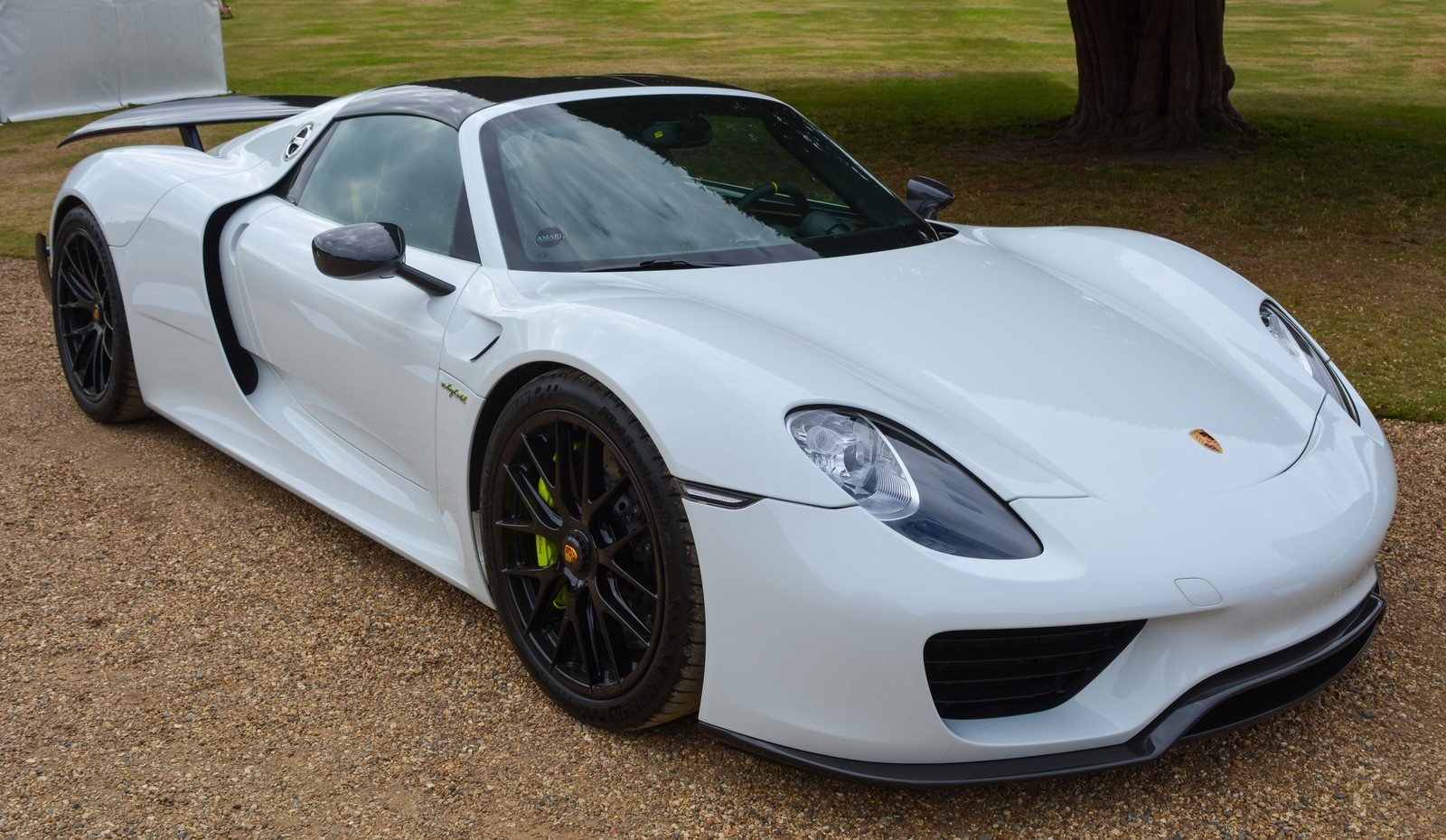
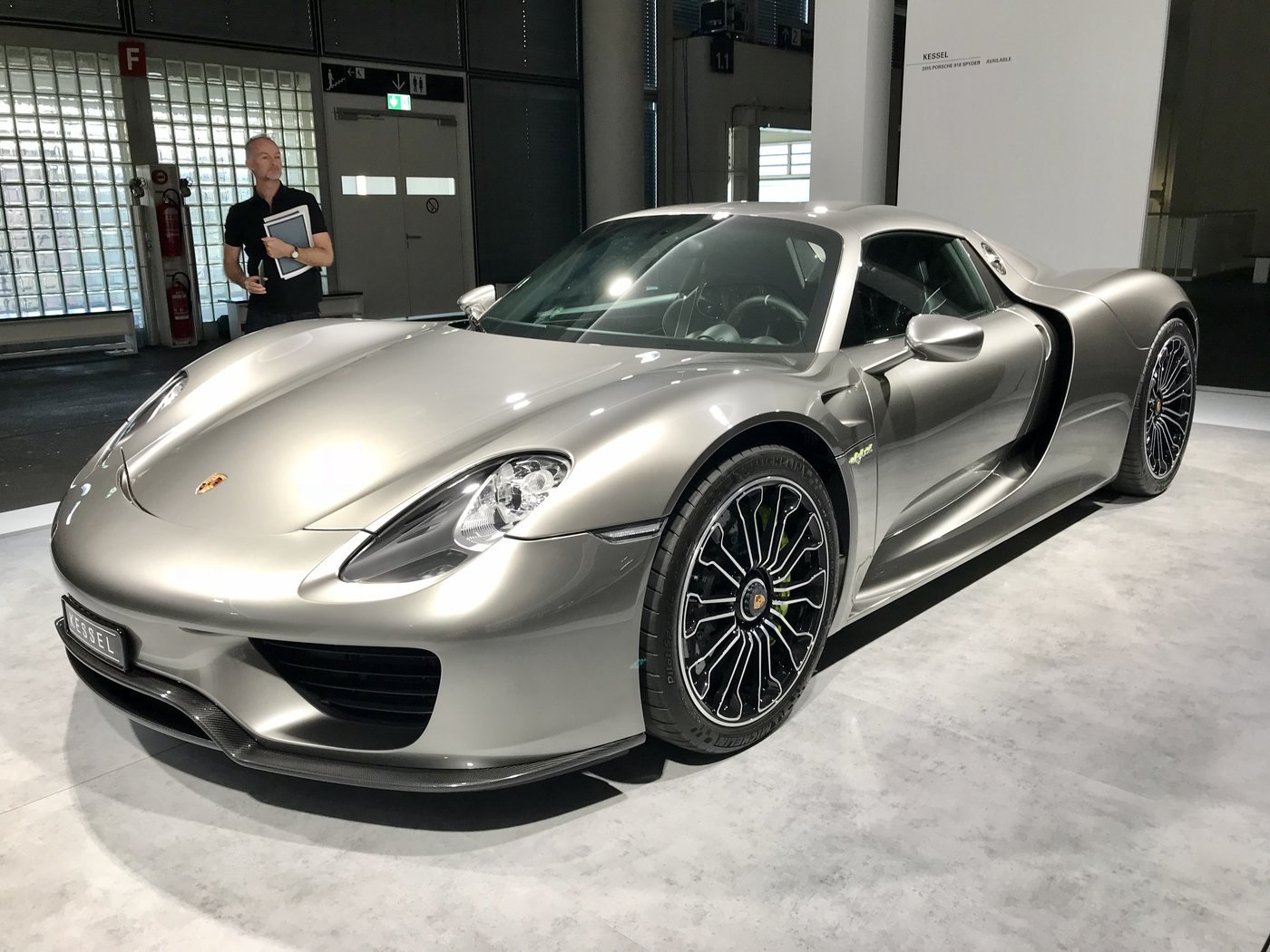
For context on how rare this is: Porsche’s last true halo cars were the Carrera GT in 2003 and the 918 Spyder in 2013 — each a once-a-decade statement, each now worth multiples of its original price. The Mission S would be the third. The spiritual succession is deliberate; Porsche calls the concept “our love letter to the sports car,” and its launch page frames it as a tribute to Ferry Porsche’s vision.
The flat-eight question
Porsche hasn’t confirmed a powertrain, and the teasers are doing their job — one close-up shows a tachometer sweeping to 8,000 rpm, which tells you this isn’t another EV skunkworks project. Germany’s Handelsblatt has reported that the production car, internally codenamed S1, will use a twin-turbo flat-eight — an eight-cylinder boxer. If true, it would be the first flat-eight in a Porsche road car, ever.
That would also be a statement of intent. While rivals chase electrification for their flagships — see Jaguar’s 1,000-hp electric Type 01, unveiled in this same city last week — Porsche appears to be betting that the ultimate Porsche still burns fuel. A mid-engined, flat-eight halo car is the most old-school move imaginable, and in 2026 that might be exactly the point. Exclusivity now means combustion.
Reported pricing sketches the target: around €500,000, under $600,000. That’s not 911 Turbo money — that’s “call your dealer and beg” money, aimed squarely at the collectors who treat limited Porsches as asset classes. Nothing is confirmed, and Porsche hasn’t said whether the Mission S name will even reach production.
The bigger strategy
The Mission S didn’t arrive alone. The same strategy presentation committed the next Boxster and Cayman to all-electric power, confirmed a Macan-sized SUV with combustion and plug-in hybrid powertrains for 2028, and floated a larger flagship SUV above the Cayenne, codenamed K1. Porsche also plans to expand its bespoke “special request” offerings while cutting model complexity and sharing more parts across the Volkswagen Group.
Read together, it’s a company hedging with unusual clarity: electrify the volume sports cars, keep combustion for the emotional flagships, and charge more for everything. The 718 going electric will upset the purists; a flat-eight halo car above the 911 is the peace offering.
One very busy week in New York
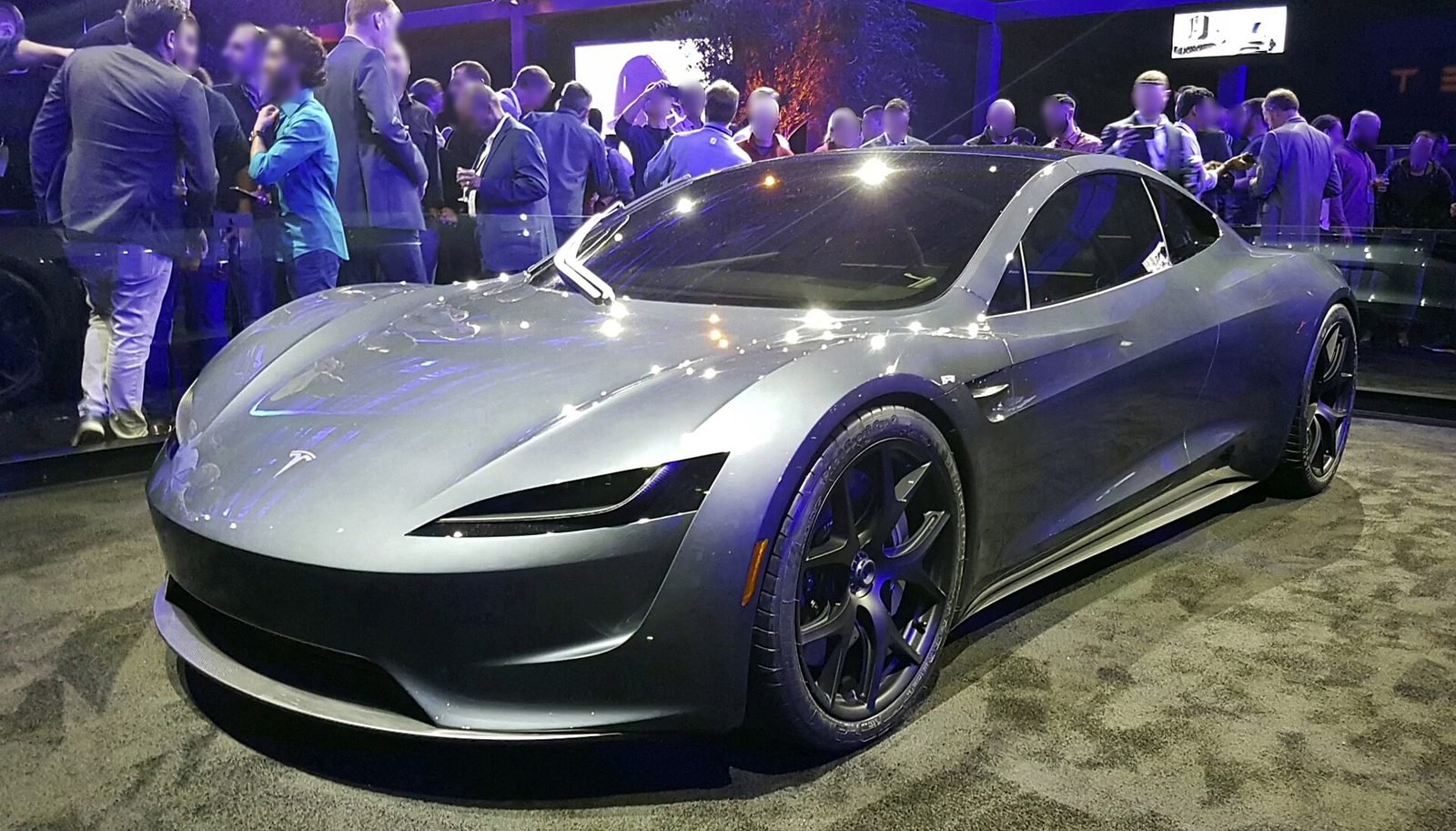
It’s worth appreciating the traffic jam of reveals New York is hosting. Last week, Jaguar pulled the cover off the 1,000-horsepower electric Type 01 in this same city. Tonight, Tesla demos the Roadster in Texas while the world’s auto press watches from everywhere. And now Porsche drops a mid-engined halo concept into the middle of it. Three brands, three completely different answers to the same question — Jaguar says the future is electric, Porsche says the ultimate still burns fuel, Tesla says it might hover. Somewhere in that spread is the next decade of the supercar.
The Mission S even arrives with a proper pre-reveal leak — the first image circulating ahead of the unveiling, which Porsche hasn’t officially released. Leaks are the sincerest form of hype: they tell you people care enough to hunt. For a car that doesn’t officially exist yet, the Mission S is already doing its job.
What to watch in New York
Concepts lie — that’s their job. The Mission S will be gorgeous and noncommittal, and the honest questions (power, weight, price, production date, whether the S1 ever reaches showrooms) won’t be answered on stage. What matters is the commitment underneath: a real platform, a real CEO saying “we intend,” and a company willing to put a car above the 911 for the first time in its modern history.
The 911 has survived six decades by being the answer to every question. This week, Porsche starts asking a new one: what comes after the king? We’ll be watching New York.