News
Toyota to Make Every Car Software-Defined by 2030 — What the Arene Platform Means for Your Next Toyota
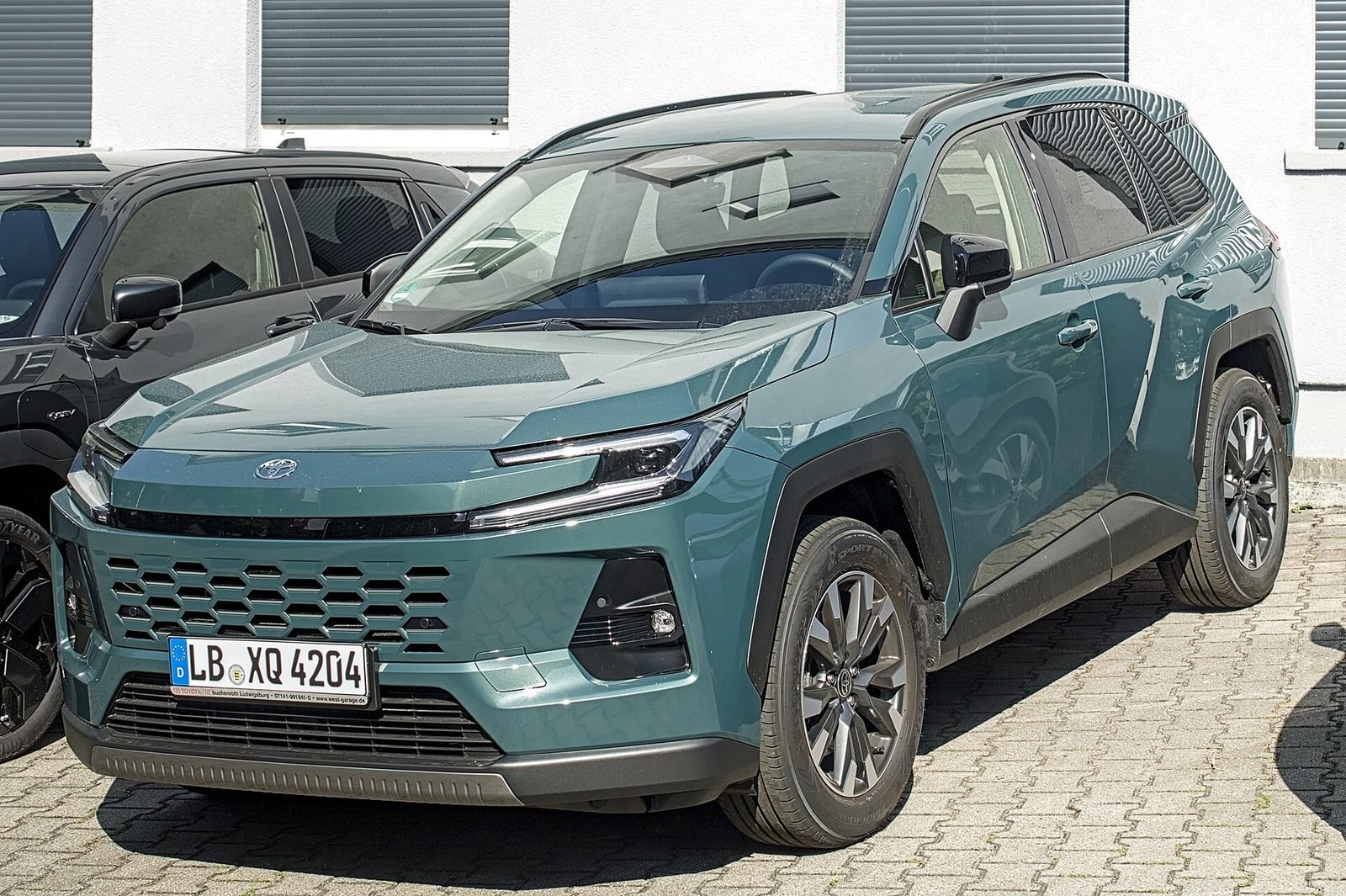
Toyota has spent decades perfecting the art of building cars that don't change after you buy them — reliable, predictable, frozen in amber. That era is ending. According to the Nikkei, via Reuters, Toyota plans to make all of its roughly 50 vehicle models software-defined by 2030, putting about 10 million new cars a year on its in-house Arene software platform. The strategy was disclosed at an investor technology briefing earlier this month, and Toyota is reportedly planning to offer the platform to partner automakers by 2035. Toyota itself declined to comment — but the first Arene car is already sitting in American showrooms.
What Arene actually is
Arene is the software development platform built by Woven by Toyota, the company's advanced-mobility arm — the same group building the Woven City testbed at the base of Mount Fuji. Think of it less as an operating system and more as the plumbing underneath one: a standardized way to build, test, validate, deploy, and improve vehicle software, split into three packages called Arene SDK, Arene Tools, and Arene Data.
The big idea is decoupling. Traditionally, a car's software is welded to its hardware — every model needs its own custom code, which is why your 2022 Camry's infotainment feels like a different species from your 2024 Highlander's. With the Arene SDK, developers can write modular software components once and reuse them across models, the way phone apps run on any iPhone. Arene Tools lets engineers simulate and validate code in virtual environments before it ever touches a real car, which Toyota says cuts down on physical prototypes and shortens development time. Arene Data is the feedback loop — real-world driving data flowing back to make the software smarter.
If that sounds like what Tesla has been doing for a decade, that's because it is. The difference is scale and intent: Toyota isn't trying to build one clever car, it's trying to convert the world's largest automaker — 10 million vehicles a year — into a software company without breaking the reliability reputation that got it there.
The 2026 RAV4 is the proof of concept
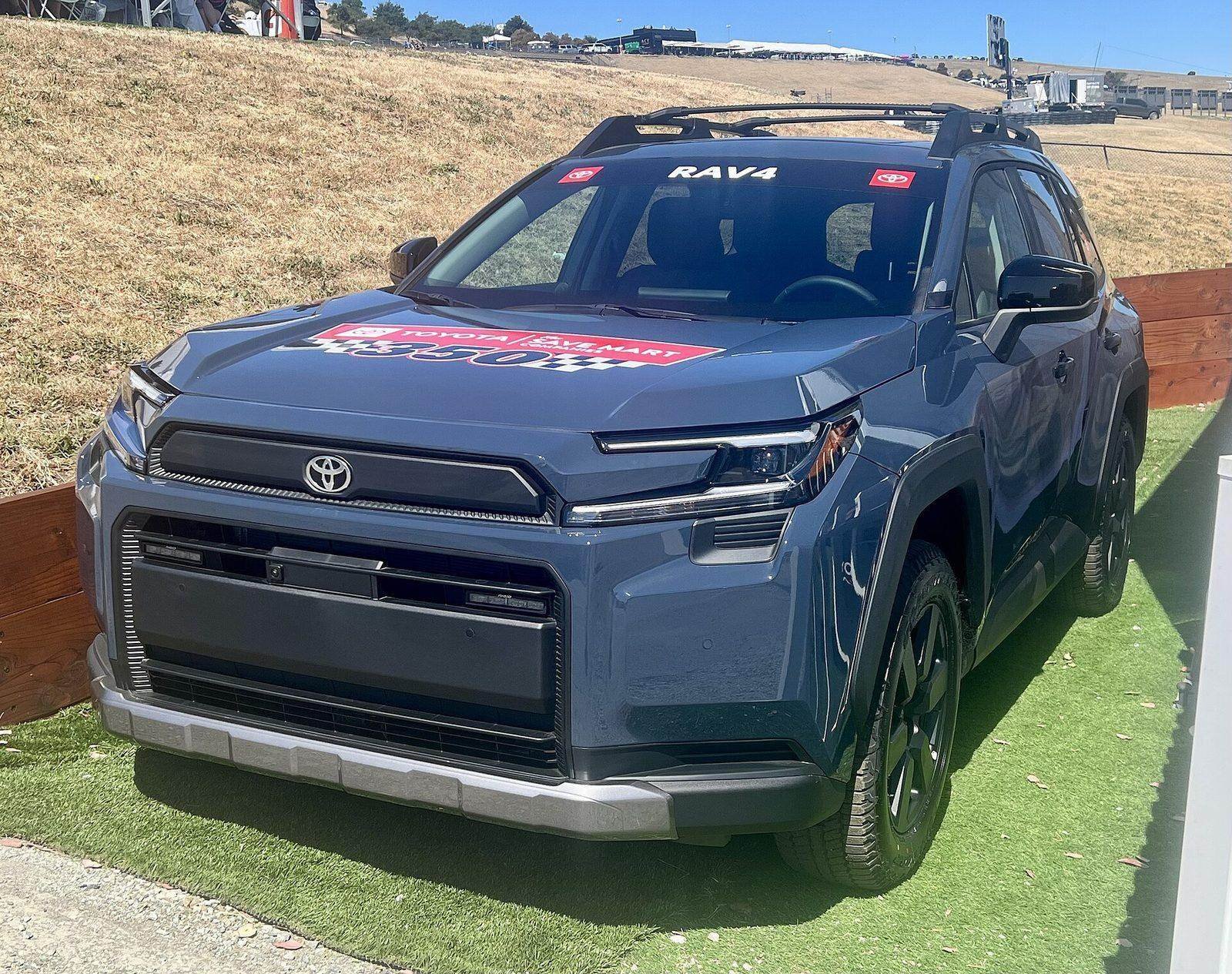
You don't have to wait until 2030 to see what this looks like. The all-new 2026 RAV4 is the first production Toyota to run on Arene, and Toyota describes it as its first true software-defined vehicle. The platform sits underneath the latest Toyota Audio Multimedia system — 10.5-inch touchscreen standard, 12.9-inch available, wireless Apple CarPlay and Android Auto, a quicker voice assistant, 5G connectivity — and the new Toyota Safety Sense 4.0 driver-assistance suite.
The safety tech is where Arene's fingerprints show most clearly. TSS 4.0 brings an Emergency Driving Stop System that can bring the car to a halt if it detects the driver is incapacitated, a Sudden Acceleration Suppression system that restrains throttle input when it senses an accidental stomp, front cross-traffic alert for junctions, and an enhanced pre-collision system that now recognizes motorcycles and more scenarios than before. The blind-spot monitor gained a rear-vehicle approach indicator to warn of fast-approaching traffic. Crucially, all of this can be improved after you drive off the lot — genuine over-the-air updates, not the "bring it to the dealer for a USB stick" routine.
Early reviews suggest the software is the single biggest leap in the new RAV4 — bigger than the hybrid-only powertrain switch. The interface is faster, the voice control actually works, and the safety systems feel a generation ahead of the old TSS 2.5. If this is the baseline, Toyota's software team has closed most of the gap with the industry's best in one product cycle.
Why now — and why Toyota is both late and early
Let's be honest: Toyota is late to this party. Tesla proved the software-defined model more than a decade ago. Mercedes has been rolling out its MB.OS platform across its lineup. Chinese automakers ship cars whose cabins update like smartphones as a matter of course. Toyota watched all of it, kept building excellent hardware, and is only now committing the whole company.
But there's a case that Toyota's timing is deliberate rather than sluggish. The first wave of software-defined cars taught the industry what not to do — rushed rollouts, buggy launches, features held hostage behind subscriptions. Toyota's move is to standardize first and scale second: get Arene right on the RAV4, America's best-selling SUV and the perfect rolling laboratory, then push it across 50 models in four years. And the 2035 plan to license Arene to partner automakers is the tell — Toyota doesn't just want better software for its own cars, it wants to be the Android of the auto industry, the platform everyone else builds on.
The scale is what makes this story bigger than one company's IT project. Ten million Arene-equipped vehicles a year would make Toyota's platform one of the largest software deployments in the world, full stop. Every one of those cars becomes a data source, an update target, and a potential revenue stream for features sold after purchase. That's the business model Tesla pioneered and every legacy automaker is now chasing — Toyota is just doing it at a volume nobody else can match.
What it means for your next Toyota
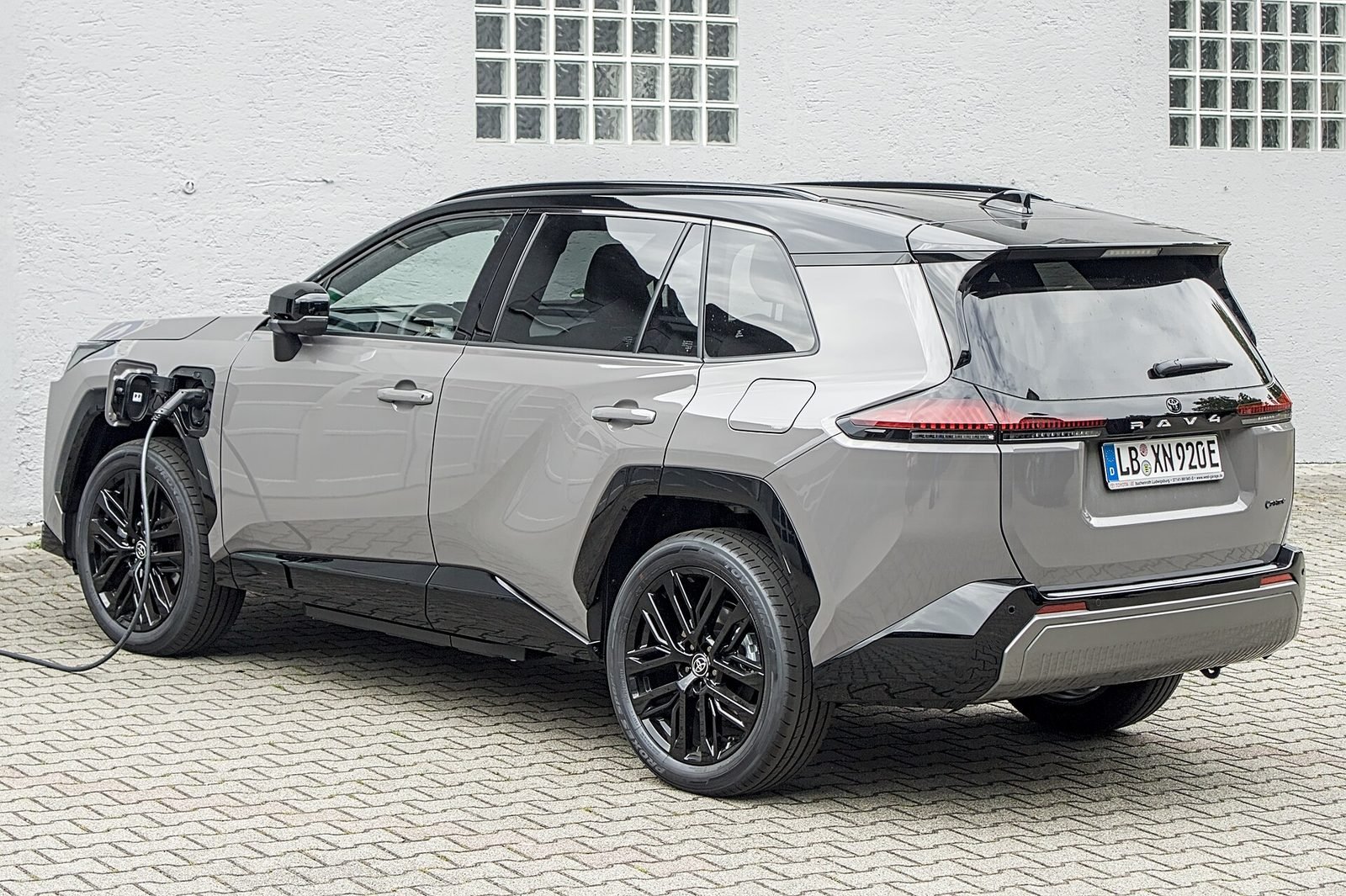
For buyers, the practical upside is simple: your car gets better after you buy it. Safety systems improve without a dealership visit. The infotainment system you find clunky in 2027 might be genuinely good by 2028. New driver-assistance features can arrive the way phone features do — downloaded overnight, explained in the morning. Toyota's whole pitch has always been "it just works"; Arene is the bet that "it just works" can now include "and it keeps getting better."
The open questions are the ones the industry hasn't answered yet. How much of this will be free, and how much will sit behind a subscription? Toyota hasn't said. What happens to repairability when the car's capabilities live in licensed software rather than mechanical parts? Also unanswered. And there's the cultural question: Toyota's customer base skews toward people who buy a car precisely because they never want to think about it again. Selling "your Camry is now a platform" to someone who chose a Camry to avoid platforms is a marketing challenge as much as an engineering one.
None of that changes the direction of travel. The car business spent a century competing on horsepower and sheet metal; the next decade will be fought in code. Toyota — the company that made "boring" a compliment — just told its investors it's going all in on software. When the most conservative automaker on earth decides the future is updatable, the debate is over. The only question left is who does it best.
The bottom line
Arene on every Toyota by 2030, licensed to partners by 2035, 10 million software-defined cars a year — if even most of that happens, Toyota will have pulled off the largest digital transformation in automotive history without most buyers noticing. The 2026 RAV4 is the preview, and it's a good one. Watch the next two model years: if Arene shows up on the Camry, the Corolla, and the Tacoma on schedule, Toyota's quiet software revolution is real — and every other automaker's timeline just got shorter.
Sources & further reading
- Official: Toyota Global Newsroom — Toyota
- Official: Woven by Toyota — Arene — Woven by Toyota
- Press: Toyota aims to make all its cars software-defined by 2030, Nikkei reports (Oct 16, 2026) — Reuters
- Press: 2026 Toyota RAV4 the First to Benefit From Arene and Toyota's Woven City — Mobility Engineering & Technology
- Video: The 2026 Toyota RAV4 | Runway Approved Vehicle — Toyota USA (YouTube)
The 2030/2035 timeline and 10-million-vehicle figure are per Nikkei's reporting via Reuters; Toyota declined to comment. Arene platform details per Woven by Toyota and Mobility Engineering & Technology. Always confirm current specs with Toyota.