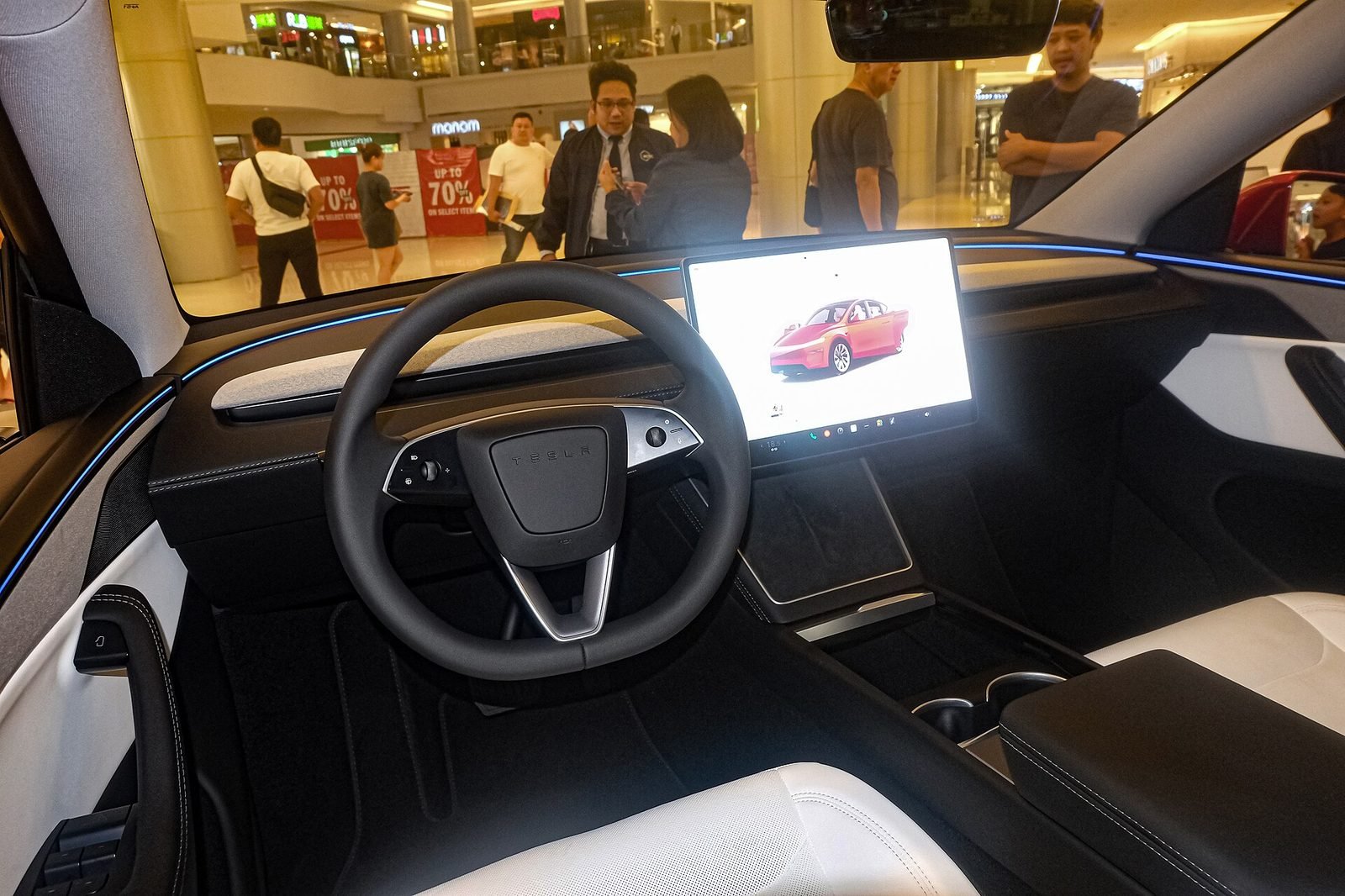
If you want to understand the American electric-car market in 2026, you only need one number: 262,491. That's how many Tesla Model Ys have been sold in the US through the third quarter — more than the next 24 best-selling EVs combined, according to new Cox Automotive data reported by USA Today. The crossover from Austin isn't winning the EV race. It is the EV race.
The backdrop makes it even stranger. The year started with the industry bracing for a slump: the $7,500 federal EV tax credit was killed, and everyone assumed plug-in sales would fall off a cliff. Instead, EVs just posted their strongest quarter in a year, grabbing 6.4% of all US new-car sales in Q3 — up from 5.8% in Q2. The reason isn't complicated. Gas averaged $4.33 a gallon on October 15, per AAA, versus $3.06 a year ago. When filling a pickup costs real money, the math on an electric crossover suddenly looks a lot better.
“What we're seeing now is a market finding its footing again,” said Stephanie Valdez Streaty, Cox Automotive's director of Industry Insights. “With gas prices well above $4 a gallon, electric vehicles look better than ever.”
The top 10 best-selling EVs of 2026 so far
Cox's year-to-date ranking, compiled by Electrek, reads like two different markets stacked on top of each other. Here's how it shakes out:
The Model Y sits alone at the top with 262,491 sales, starting at $39,990. Its Q3 alone — 99,037 units — would nearly match the entire year-to-date total of every non-Tesla on the list. Sitting second is the Model 3 at 106,962 ($38,990, with 40,346 sold in Q3). Together the two Teslas account for more than 35% of every EV sold in America this year.
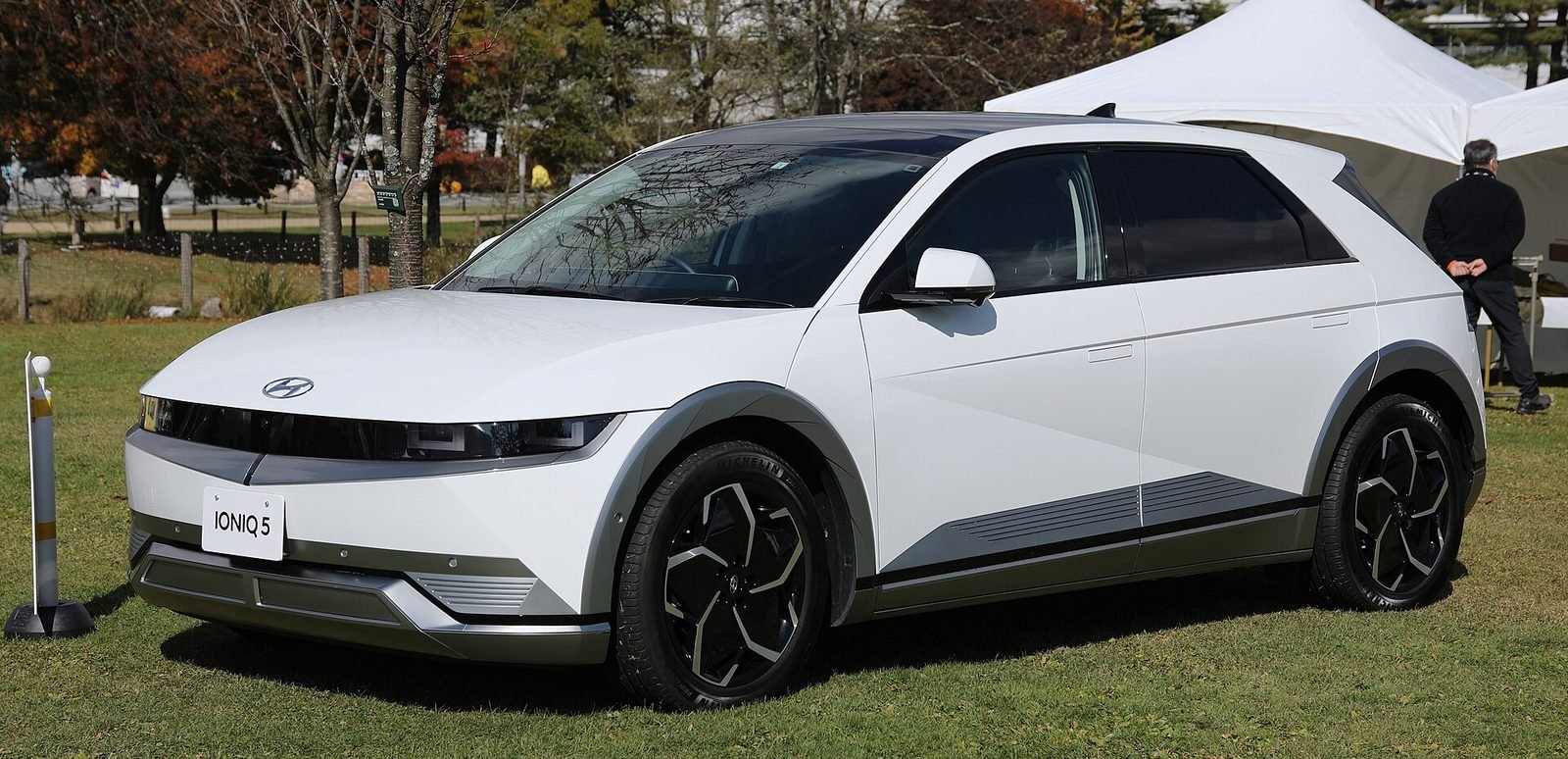
Then there's everyone else. The Hyundai Ioniq 5 is the strongest non-Tesla at 31,112 units ($35,000) — a genuinely good car that's down about 24% year-over-year but still comfortably ahead of the pack. The refreshed Toyota bZ has been the year's surprise, more than doubling to 24,944 ($34,980) after its late-2025 update brought bigger batteries, more power, faster charging, and Tesla-style charging ports. The Chevrolet Equinox EV rounds out the top five at 18,154 ($34,980), though its sales have cratered 65% from last year.
The bottom half of the top 10: Rivian R1S (17,259, $83,990), Ford Mustang Mach-E (17,206, $37,795), the Rivian EDV delivery van (15,685, $79,900 — up 130% as Amazon's fleet keeps growing), Honda Prologue (13,289, $49,995), and Kia EV9 (12,429, $49,995). Ten models cleared 10,000 sales this year, which sounds healthy until you remember the Model Y alone did 262,491.
The $35,000 sweet spot is real
Look closely at the ranking and a pattern jumps out: three of the top five EVs — the Ioniq 5, bZ, and Equinox EV — all start at roughly $35,000. That's not a coincidence. It's the price where an electric crossover starts to make sense against a loaded gas RAV4 or CR-V, especially with gas over four bucks. Hyundai, Toyota, and GM all figured this out; the buyers have responded.
It also explains the bloodbath further down. The Equinox EV's 65% collapse, the Mach-E's 59% drop, and the Prologue's 64% fall all trace back to the same thing: these cars were priced assuming a $7,500 tax credit would always be there to sweeten the deal. When it vanished, the sticker shock was real. Cox's data shows nearly every automaker posted lower year-over-year EV volume in Q3. The ones that gained — Toyota, Lexus, Rivian, and Subaru, which Cox singled out for momentum — either cut prices, launched genuinely better products, or both.
Tesla's paradox: shrinking and still unbeatable
Here's the part nobody can quite explain: Tesla's US sales fell about 20% year-over-year in Q3, yet the company still accounted for more than half of all EVs sold in America during the quarter. As USA Today put it, despite the controversies surrounding CEO Elon Musk's very public political stances, Tesla remains “far and away the most dominant player in the U.S. EV market.” A fifth of the company's volume disappeared and it still lapped the field.
“The third quarter was the highest EV sales volume in a year, and improvement through 2026 suggests the reset phase is largely behind us,” Valdez Streaty said. “The next stage of growth will be driven by great products, competitive pricing, and automakers that continue to give consumers compelling reasons to make the switch.”
What this means if you're buying
For shoppers, the takeaway is practical. The used and new EV market is full of motivated sellers right now — dealers are discounting the models that lost their tax-credit cushion, which is exactly why we've been tracking Model Y lease deals this month. The $35K trio (Ioniq 5, bZ, Equinox EV) is where the value is if you want something new and affordable.
And the scoreboard could look different by New Year's. As Electrek notes, several new entries are just hitting showrooms — the Kia EV3 and the Rivian R2 among them — and both are aimed squarely at the price bands where the action is. The Model Y's lead is absurd, but it's not a law of nature. Gas at $4.33 has a way of focusing everyone's attention.