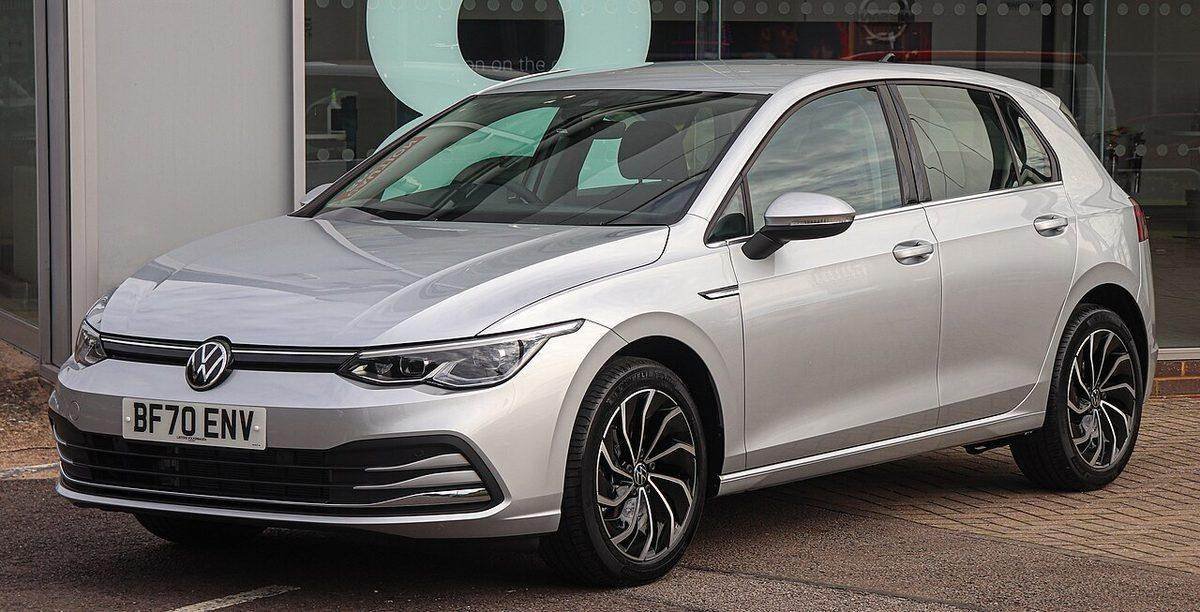
Volkswagen has put the electric Golf on hold. On Friday, October 30, VW brand CEO Thomas Schäfer told staff the company is suspending development of the all-electric ID. Golf at its Wolfsburg headquarters — the plant VW calls the heart of the brand — as the automaker scrambles to cut costs. The decision landed one day after Volkswagen reported its largest quarterly loss since the Dieselgate scandal: an operating loss of €5.9 billion ($6.5 billion) for the third quarter of 2026.
If you want to know how serious things are inside VW right now, this is the telling detail: the Golf is the company’s icon. It is the car the Wolfsburg plant exists around. And management just paused its electric future because there isn’t money to keep building it.
“We simply can’t afford this work right now”
The news broke through an internal memo that Reuters reviewed on Friday. Schäfer didn’t sugarcoat it. “I know what the Golf means for Volkswagen and for Wolfsburg. That’s why this decision was really not an easy one for us,” he wrote. Then the line that will be quoted for weeks: “We simply can’t afford this work right now.”
The memo said Wolfsburg is about €300 million ($336 million) short of its own cost-cutting target for the year. The company’s main plant — the headquarters factory, and notably not one of the plants facing closure — isn’t meeting its numbers. Schäfer said the goal is to resume the ID. Golf work as quickly as possible, but he attached no restart date.
The tone at the top is blunt across the board. Volkswagen Group CFO and COO Arno Antlitz told stakeholders, “We cannot afford to lose any time and must act quickly and decisively.” And David Powels, CFO of the VW brand and its core brand group, framed the freeze as a formal measure: “One specific measure is therefore to temporarily pause development work on the future ID. Golf at the Volkswagen brand until we can securely accommodate the necessary investments,” he said, calling the market environment “extremely challenging.”
The works council — Germany’s powerful employee representatives, who sit on VW’s board — didn’t try to spin it either. It said the freeze on spending for the ID. Golf’s preliminary work is “yet another sign of how strained the group’s financial situation is,” while pledging that any lost time can be made up and the car’s launch won’t slip. Whether that pledge holds is the open question.
How VW lost €5.9 billion in three months
The quarter that broke the program was brutal on every front. Three things drove the €5.9 billion operating loss: a write-down of the value of VW’s Porsche stake, weak sales in China, and thinner profit margins on electric vehicles.
Each of those deserves a look. The Porsche write-down is an accounting hit — a recognition that part of the group’s crown jewel is worth less than the books said. It’s not cash out the door, but it lands hard on the reported number. The China weakness is structural and far more worrying: German carmakers keep losing ground in the world’s biggest car market while Chinese rivals expand in Europe. And the EV margins problem is the one that cuts closest to the ID. Golf’s story: Volkswagen is selling electric cars that don’t make enough money, at exactly the moment it needs cash to fund the next generation.
The pain isn’t limited to the group’s consolidated number. The VW brand itself posted a €182 million loss in the third quarter — its first quarterly loss since the pandemic year of 2020 — and the brand’s operating result for the first nine months shrank to just €813 million, a fraction of what the volume brand used to contribute.
And the rest of the group is under pressure too. On the same day the Golf freeze leaked, Audi cut its 2026 outlook: the premium brand now expects an operating margin of 3% to 5%, down from 5% to 7%, and revenue of €55 billion to €59 billion instead of €58 billion to €63 billion — again blaming China and pricing pressure. Audi also confirmed that details of its planned Georgia plant would be disclosed by the state, with government talks still confidential.
The “Future Plan 2030” behind all of this
The Golf freeze didn’t come out of nowhere. Last month, VW’s Supervisory Board approved the restructuring strategy Schäfer and Antlitz are now executing: “Future Plan 2030,” which includes cutting the global workforce by about 100,000, trimming the model lineup, and closing several plants in Germany. Reuters has described the closures as up to four German factories.
This is the context that makes the Golf pause so symbolic. Wolfsburg is the one plant you’d expect to be safe — the headquarters, the historic heart of the company, the place the Golf has always been built. The freeze says that no program is protected anymore, not even the electric version of the car that defines the brand. The works council’s phrasing was careful, but the message was clear: the money has to come from somewhere, and right now it’s coming from the future.
What the pause actually means for the ID. Golf
Let’s be precise about what was paused, because the ID. Golf was already one of the industry’s slowest-moving projects. Volkswagen initially targeted 2028 for the electric ninth-generation Golf, then pushed it to around 2030 after delays to its Scalable Systems Platform (SSP) — the next-generation EV architecture the car is supposed to ride on. SSP was meant to simplify VW’s tangled software and cut the cost gap with Chinese rivals; instead it slipped, and the software is now being developed through VW’s joint venture with Rivian.
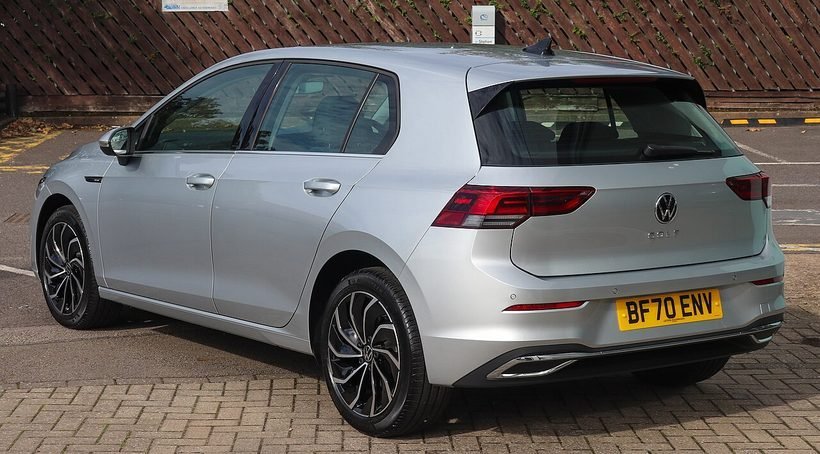
The official line is that the pause changes nothing about that 2030 target. The works council said the suspension won’t delay the launch and promised to make up the lost time. But read between the lines: the car slipped from 2028 to 2030 before any pause, the platform it needs is still late, and the program now has no development funding and no restart date. Carscoops notes the electric Golf could now slip into the 2030s — meaning the current, gas-powered eighth-generation Golf, which arrived in late 2019, could end up carrying the nameplate for well over a decade.
Meanwhile the gas Golf’s own future has already been mapped out: production of the combustion Golf will move from Wolfsburg to Mexico in 2027, while the electric Golf — whenever it’s ready — is supposed to be built in Wolfsburg closer to the end of the decade. VW confirmed it will keep selling the current combustion, hybrid, and plug-in hybrid Golf lineup as a bridge until the ID. Golf program can restart. That’s the near-term reality for buyers: the Golf you know isn’t going anywhere. The electric one is on ice.
The platform fight underneath the freeze
Here’s the part that makes this more than a cost-cutting story. There’s a genuine technology argument happening inside VW about which electric platform the ID. Golf should even use — and pausing the program avoids spending money on one architecture while the board decides whether to switch to another.
On one side is SSP, the in-house platform that has already slipped years behind its original 2026 target, with Audi and Porsche now ahead in line and the electric T-Roc reportedly planned as the first SSP-based Volkswagen. On the other side is CEA, the architecture VW co-developed with China’s Xpeng — and Schäfer has reportedly proposed moving roughly three-quarters of the brand group’s next-generation models onto the Xpeng-derived platform. Supporters of the switch estimate a China-developed Tiguan would cost about €8,000 ($9,000) less to build than a European one. (Treat the CEA proposal as reported, not confirmed — it comes from press coverage of internal deliberations, not a VW announcement.)
Step back and you can see why freezing the ID. Golf is the rational move for a cash-strapped company: if the board is about to choose between two platforms for the brand’s future models, the worst thing you can do is keep paying for development work on one of them. The freeze buys time for the decision — at the cost of more delay.
What this means if you’re a US buyer
For American shoppers, the honest answer is: not much changes at the dealership this year — but the long game just got longer.
The Golf GTI and Golf R, the performance models that carry the nameplate in the US, continue on the gas-powered eighth generation. With combustion Golf production moving to Mexico in 2027, the GTI and R you buy in the coming years will increasingly be Mexican-built cars — a supply chain VW has already set in motion regardless of the electric program’s fate. And with US tariffs already killing a dozen EV models in America, any future electric Golf sold here would have to survive an import math problem VW hasn’t yet solved: the ID. Polo, Europe’s coming $29,000 star, isn’t bound for the US either.
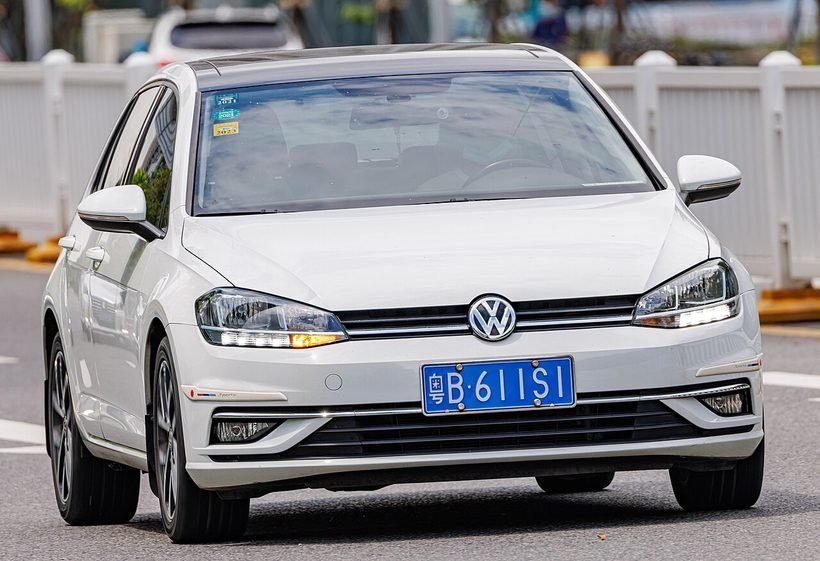
The American angle of VW’s EV future runs through Chattanooga and California, not Wolfsburg. The ID.4 is built in Tennessee, and the Rivian joint venture developing the SSP software — the same software the ID. Golf was waiting on — is US-based, with Rivian saying the working relationship was “very positive” and booking $354 million in revenue from the partnership in the third quarter. The pause is on the Golf program, not the platform — though a platform without its flagship car is a thinner story than it was a week ago.
The bigger picture: Europe’s EVs are booming without VW leading them
The timing stings because the market is moving in exactly the direction VW is now struggling to fund. Europe’s entire shortlist for the 2027 Car of the Year award is electric — all seven finalists are pure EVs, a first — and the world just registered a record 11 million battery-electric vehicles in nine months, with European registrations up 42%. The irony for VW: Chinese brands didn’t make the European shortlist at all, yet they’re the competitors eating VW’s lunch in China and pushing into Europe.
That’s the paradox of the Golf pause. Demand for EVs in VW’s home market has rarely been stronger. But VW’s EVs don’t make enough money, its Chinese business is shrinking, and its next-generation platform keeps slipping — so the company is borrowing from its electric future to survive its combustion present. It’s a rational call in a crisis. It’s also the kind of call that makes you wonder what the company looks like when the crisis is over.
The bottom line
Volkswagen paused the electric Golf because it ran out of room: a €5.9 billion quarterly loss, a €300 million shortfall at Wolfsburg, and a restructuring plan that demands 100,000 fewer jobs. The company insists the ID. Golf still arrives around 2030. The works council insists no launch date slips. But a program with no funding, no restart date, and a platform still being argued over has a lot of promises stacked against it.
Watch two things. First, whether the pause gets a restart date — that’s the difference between a spending freeze and a quiet cancellation. Second, which platform the ID. Golf ends up on: SSP or the Xpeng-derived alternative. That choice will tell you more about Volkswagen’s electric future than any launch date. And if you were waiting for an electric Golf in America, settle in. The wait just got longer, and VW still hasn’t said how long.