News
Volkswagen's $29,000 ID. Polo Has Nearly 150,000 Orders — and Americans Can't Buy One
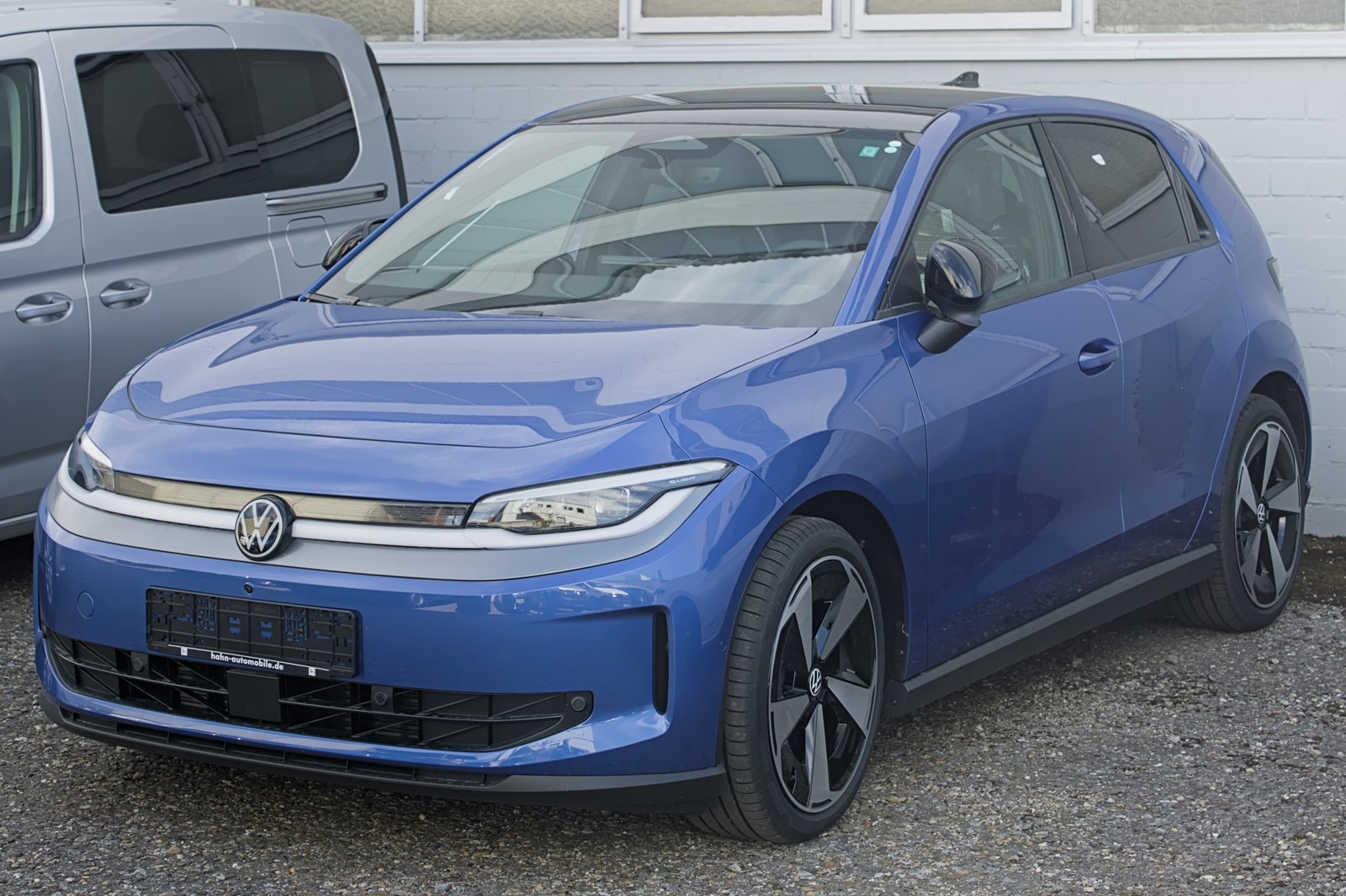
Somewhere in Wolfsburg, somebody is smiling. Volkswagen's long-promised affordable EVs — the ones skeptics said would arrive late, cost too much, and lose to the Chinese — are instead doing something no VW electric car has done before: selling out. The company's Electric Urban Car Family has racked up nearly 150,000 orders since series production began in June, with wait lists stretching into next summer. There's just one problem, at least from where we sit: you can't buy a single one of them in America.
The order bank, in numbers
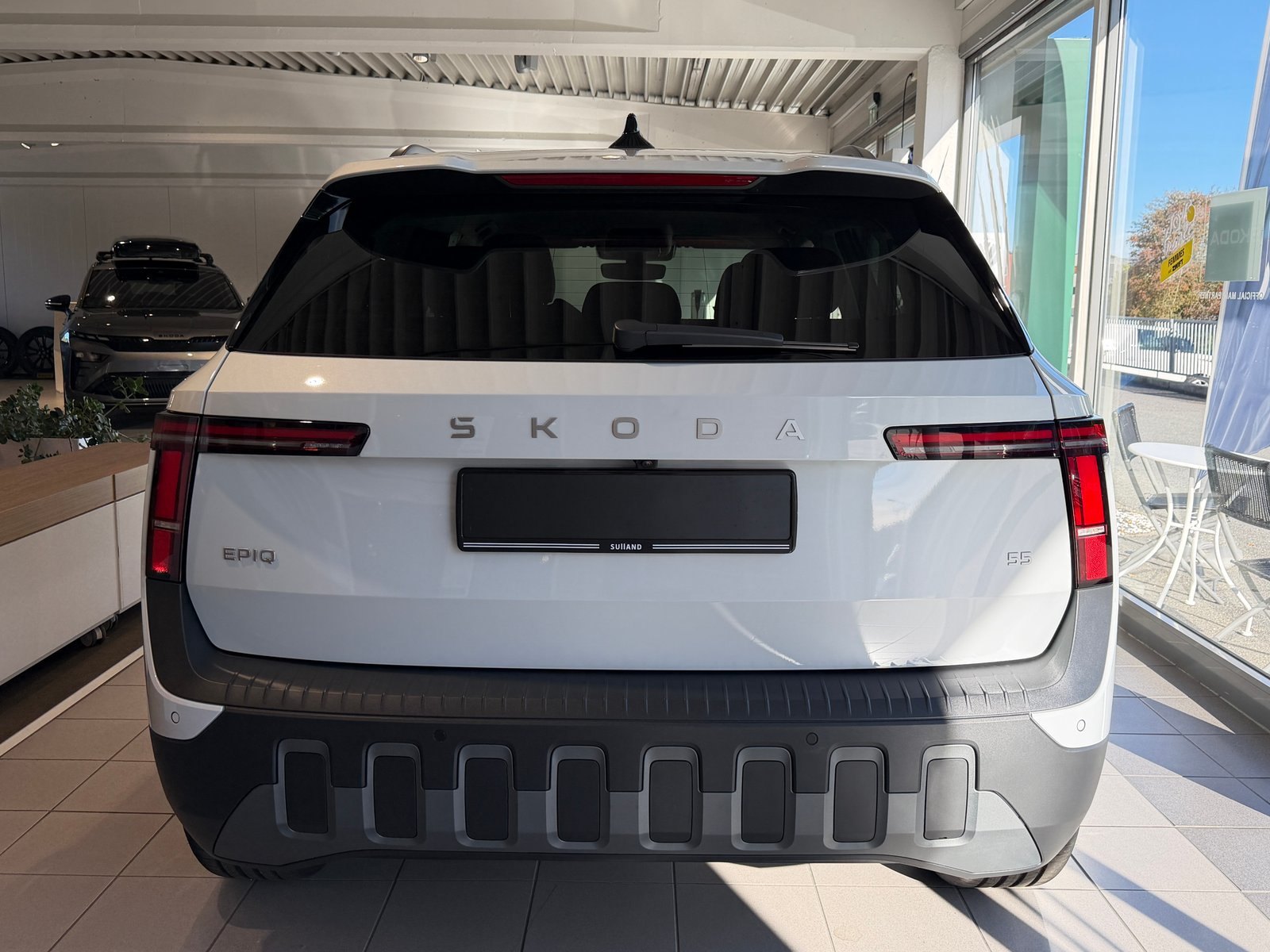
The trajectory tells the story. The ID. Polo — the production name for what was once the ID.2all concept — pulled in 25,000 orders within weeks of its April launch. By September it had passed 30,000, sold out Europe-wide before the first customer deliveries, and built a 10-month wait for configured orders, per InsideEVs. The Skoda Epiq, whose order books opened in July, added 35,000-plus orders of its own — new buyers are being told June 2027. Then came the family total: nearly 150,000 orders across the ID. Polo, the ID. Cross crossover, the Cupra Raval, and the Skoda Epiq.
Zoom out and the European picture gets even more striking. In Q3, one in five VW Group vehicles delivered in Europe was all-electric, EVs make up roughly 40% of the order book, and in Germany EV orders have now overtaken internal-combustion orders outright. VW Group delivered 209,100 EVs in Europe last quarter, up 20% year over year. The honest footnote: globally the group's EV deliveries are still down 5.4% this year — this is a Europe story, and Europe is buying.
What $29,000 actually buys
The entry ticket is the ID. Polo Trend at €24,995 — about $29,000 — with a 37 kWh LFP battery good for 207 miles on the WLTP cycle. Step up to the 52 kWh NMC pack and you get 155 kW (208 hp) and up to 282 miles of WLTP range, with 10–80% charging in around 24 minutes. Higher trims climb from €33,795 (Life) to roughly €38,000 (Style). For context, that's Golf money for an electric car with a bigger trunk than you'd expect — 441 liters, 1,243 with the seats down.
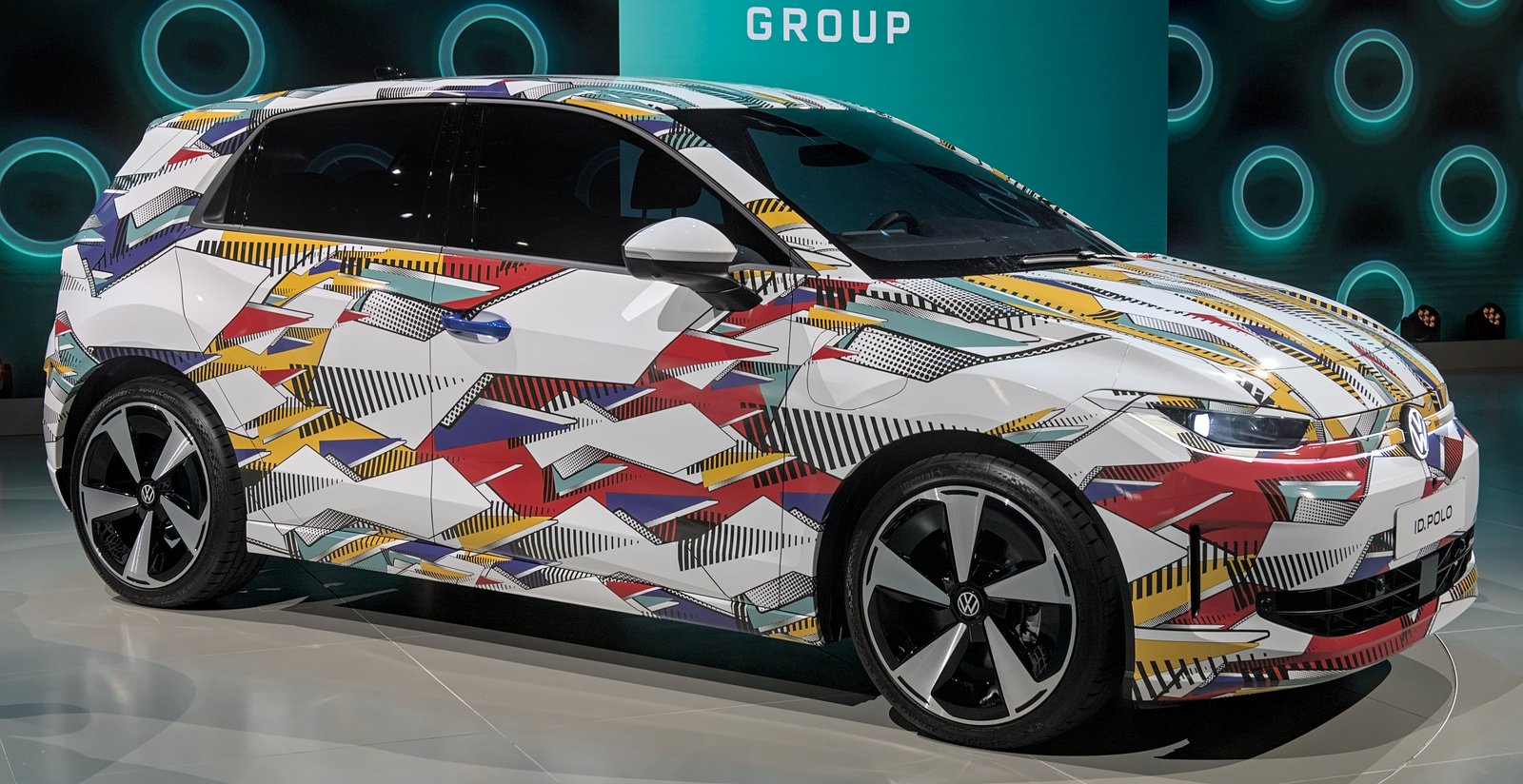
The spec sheet reads like VW actually listened for once: vehicle-to-load power (up to 3.6 kW) as standard, 11 kW AC charging, a 10-inch digital cockpit with a 13-inch infotainment screen — and, in the sweetest reversal in recent car design, physical buttons are back, ending the hated touch-slider era. Travel Assist now recognizes traffic lights, and there's even a retro Golf-themed gauge mode for the nostalgic.
The family keeps growing. The ID. Cross — the electric answer to the T-Cross, starting at €27,995 (about $32,000) — opened advance orders in Germany in July with first dealer deliveries expected next month. And the first-ever electric GTI went on pre-sale October 7: the ID. Polo GTI at €39,995 (about $45,000), with 226 horsepower, a 6.8-second 0–62 sprint, a front differential lock, and adaptive dampers. A 282-hp Clubsport is reportedly in the works. The cheapest rung of the ladder, the €20,000 ID. Every1 (reportedly to be called ID. Up), starts production in Portugal in mid-2027.
Why Europe is eating them up
This isn't just cheap-car demand — it's VW landing a specific punch. The family undercuts Chinese rivals like the MG4 and BYD Dolphin on price while carrying a badge Europeans trust, and it arrives as European gas prices hover near $9 a gallon in some markets. These are right-sized cars for European streets, built in Spain and Portugal, with running costs that make the math obvious. The 10-month waits aren't a marketing stunt; VW is reportedly adjusting production across plants because demand beat its forecasts.
The American absence
And now the part that stings. Volkswagen has no plans to bring the ID. Polo to the US — the company confirmed it directly, saying American demand "remains centered on larger models." No statement exists about the ID. Cross, Epiq, Raval, or ID. Up crossing the Atlantic either.
The context is brutal. US production of the ID.4 at Chattanooga ended earlier this year as the plant pivots to the next-gen Atlas, the $7,500 federal tax credit expired, and tariffs reshaped the math — VW Group delivered just 14,900 EVs in the US through September, down 78.4% year over year. The ID.4 and ID.5 will be replaced by the ID. Tiguan, on sale early 2027, but right now VW's American EV lineup is effectively the ID. Buzz and an outgoing ID.4 while the company reassesses everything.
So what can Americans buy for $29,000 instead? The new Chevrolet Bolt at $28,995 with 262 miles of EPA range and native NACS, or a Nissan Leaf starting around $28,140 with up to 303 miles. Both are solid. Neither is a Volkswagen — and neither has 150,000 people waiting in line.
The bottom line
Volkswagen just proved the affordable-EV thesis that the whole industry has been arguing about for five years: build a good electric car at a real price and people will line up for it. Nearly 150,000 orders, sold-out factories, wait lists into 2027 — that's not a compliance car, that's a hit. The tragedy for American buyers is entirely one of geography. Europe gets the $29,000 electric Golf successor; America gets to read about it. If VW ever decides the US deserves a seat at this table, the order bank suggests it won't have trouble filling it.
Sources & further reading
- Electrek — VW's low-cost EVs secure nearly 150,000 orders (Oct 12, 2026)
- InsideEVs — ID. Polo sold out, months-long waits (Sept 2026)
- Autoblog — VW's cheapest EV yet, a $29,000 ID. Polo (Apr 29, 2026)
- WardsAuto — ID. Polo as new entry-level EV (Apr 2026)
- Everything Electric — VW ID. Polo first look (YouTube)
- Electrifying.com — ID. Polo prototype first drive (YouTube)
Order figures are VW Group-reported or cited from US auto press; per-model splits were not disclosed. Euro prices converted at approximate 2026 rates. US availability per VW statements as of October 2026.