Buyers searching for the 2026 Volvo XC90 plug-in hybrid real world electric range quickly learn the spec sheet only tells half the story: it does 32 miles on electricity. It doesn't tell you what happens at 75 mph in January, how long a real overnight charge takes, or whether the car turns into a brick when the battery dies. Those are the questions buyers actually ask before signing — so here are the tested answers.
Real-World Electric Range: EPA Rating vs. Highway & Winter Reality
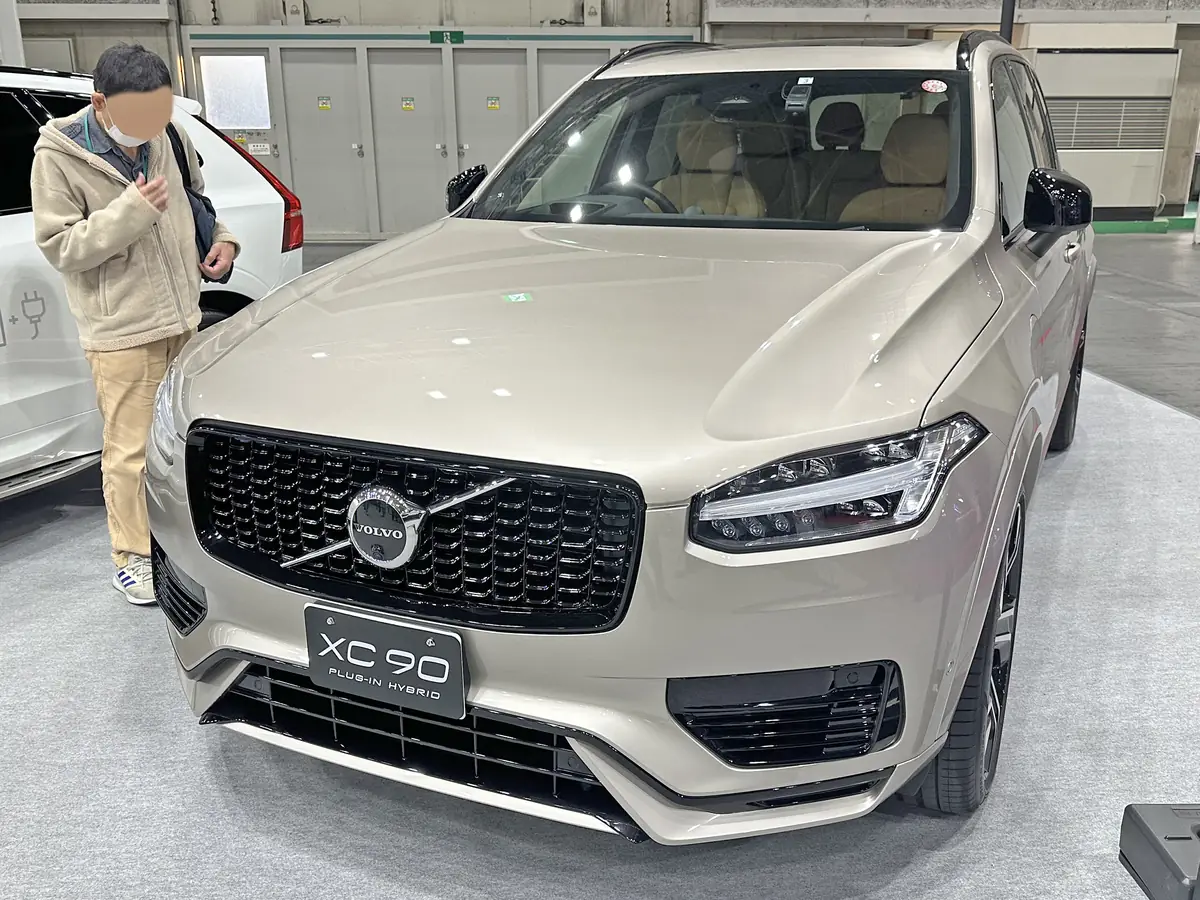
The EPA rates the 2026 XC90 PHEV at 32 to 33 miles of electric-only range, depending on trim. That number comes from the 18.8 kWh battery (about 14.7 kWh usable), paired with a 143-hp rear electric motor and a 312-hp turbocharged 2.0-liter four-cylinder for 455 hp combined.
Independent testers have landed right around the EPA figure in mixed driving — one week-long review averaged about 30 electric miles per charge. But the EPA cycle is gentle. Real conditions are not.
City vs. High-Speed Highway Range Drop-Off
Around town, the XC90 PHEV is in its element. Stop-and-go driving lets regenerative braking recapture energy constantly, and speeds stay low enough that aerodynamic drag barely matters. In suburban commuting with light climate control use, 32–36 miles of real electric range is realistic — some drivers beat the EPA number.
Highway is a different story. At a sustained 70+ mph, aerodynamic drag climbs sharply and regen opportunities vanish. Expect the Volvo XC90 PHEV winter range problem to start here even in mild weather: highway-only electric range typically falls to 24–28 miles, a 15–25% haircut versus the EPA rating. If your commute is mostly highway, plan on the gas engine joining in.
Cold Weather / Winter Battery Degradation
This is where buyers get surprised. Lithium-ion batteries lose usable capacity in the cold, and cabin heating — resistive heating, since the XC90 PHEV has no heat pump — draws directly from the same 18.8 kWh pack.
In sub-zero conditions with the heater running, real-world electric range can drop to 22–26 miles, roughly a 20–30% penalty versus the EPA figure. That's the physics of lithium-ion chemistry plus resistive cabin heating working against you at the same time. The practical workaround is preconditioning: set a departure time in the Volvo Cars app while the XC90 is still plugged in, and the car warms both cabin and battery on wall power. Drivers who precondition report clawing back 3–5 miles of winter range versus starting cold. Preconditioning the cabin while still plugged in helps — it warms the interior on wall power instead of battery power — but short winter trips with a cold-soaked battery are the worst case. If you live somewhere with real winters and a 30-mile commute, expect the gas engine to fire up on the coldest mornings.
Can You Drive the 2026 XC90 Plug-in Hybrid on Gas Only?
Short answer: yes, and it's completely drama-free. This is the single biggest misconception about plug-in hybrids — that an empty battery means an empty driveway.
What Happens When the Battery Reaches 0%?
Nothing bad. When the battery depletes, the XC90 T8 automatically transitions into a conventional parallel hybrid. The 2.0-liter turbo four takes over primary propulsion, the electric motor assists during acceleration, and regenerative braking keeps a small buffer charge for stop-and-go efficiency. EPA rates this gas-only hybrid operation at 27 MPG combined — respectable for a three-row, 5,000-plus-pound luxury SUV.
So can Volvo XC90 plug-in hybrid run on gas only? Absolutely — can the Volvo XC90 plug-in hybrid run on gas only without any fuss? Yes. Owners who never plug in simply drive a 27-mpg hybrid with 455 hp on tap. You lose the electric-only commuting benefit, but the car never strands you.
Hybrid Battery Hold and Charge Modes Explained
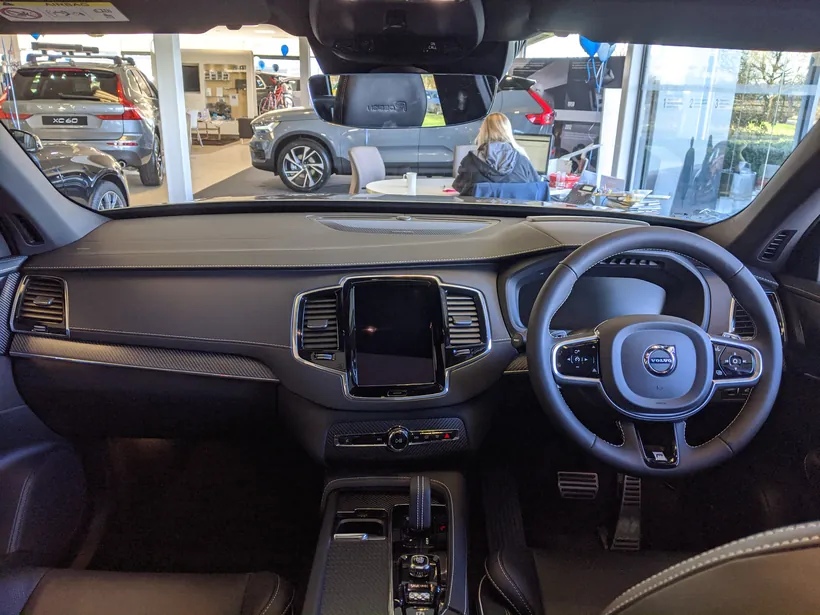
Volvo gives you manual control over the battery through the drive-mode system:
- Pure: Electric-only driving until the battery depletes or you demand full power.
- Hybrid: The default — the car blends gas and electric for best efficiency.
- Power: Both power sources at maximum attack: all 455 hp, all the time.
- Constant AWD: Keeps all-wheel drive engaged for slippery conditions.
- Off Road: Raised ride height (with air suspension) and low-speed AWD.
Separately, the Hold function preserves the current battery charge for later — useful if you want silent electric driving in a city center after a highway stretch. The Charge function uses the gas engine to recharge the battery while driving, though it's inefficient compared to wall charging and best reserved for specific situations.
2026 Volvo XC90 Level 1 vs. Level 2 Charging Times (240V Specs)
The XC90 PHEV does not support DC fast charging — no CCS, no NACS. AC charging is the only plug-in option, which makes home charging setup the whole ballgame.
| Level 1 (120V) | Level 2 (240V) | |
|---|---|---|
| Voltage / amperage | 120V / 12A | 240V / 16A |
| Charge power | ~1.4 kW | ~3.6 kW |
| 0–100% time | 12–14 hours | ~5 hours |
| Overnight full charge? | Yes, barely | Yes, easily |
| Typical electricity cost (full charge) | ~$2.50–$3.50 | ~$2.50–$3.50 |
The Volvo XC90 Level 2 240V charging time of about five hours means any overnight window fully replenishes the battery — plug in at 10 PM, leave at 7 AM with 32 electric miles ready. Level 1 works if you truly have 12+ hours, but a 240V circuit (or the included dual-voltage portable charger on a 240V outlet) is the practical answer. Cost per full charge runs roughly $2.50–$3.50 at average US residential rates, good for about 30 miles — well under the gas equivalent.
Why no DC fast charging? The 18.8 kWh pack is small enough that AC overnight charging covers the use case, and DC hardware would add cost, weight, and complexity for minimal benefit. Every rival in this class — BMW X5 xDrive50e, Mercedes GLE 450e — makes the same call.
Cabin Usability: 6-Seater Captain’s Chairs vs. 7-Seater Bench
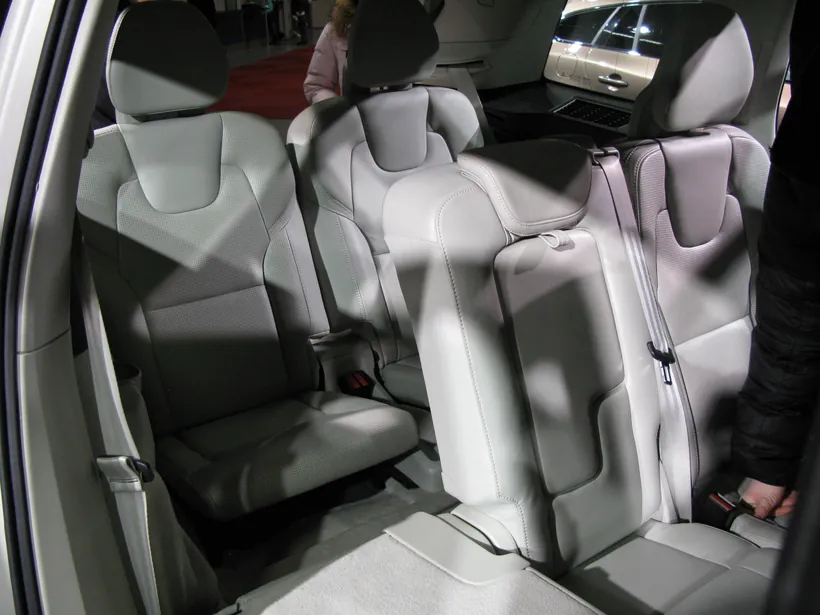
The XC90 PHEV offers both configurations, and the choice matters more than it looks. The 6-seater swaps the second-row bench for individual captain's chairs with a walk-through gap to the third row. The 7-seater keeps the 60/40 split bench.
For families actually using the third row, the captain's chairs win on access — kids can walk between the seats instead of folding and climbing. But the bench wins on flexibility: it seats seven, folds flat for cargo, and the middle seat works for a car seat while keeping both outboard seats usable.
Third-row reality check: it's a kids-and-short-trips row. Adults fit for under an hour, but legroom is tight and the seat cushion sits low. Cargo behind the third row is roughly 11–15 cubic feet — enough for groceries or a couple of carry-ons. Fold everything flat and you get up to 85.7 cubic feet, genuinely cavernous. Battery placement under the floor doesn't meaningfully eat into cargo versus the mild-hybrid XC90.
Frequently Asked Questions
What is the total gas + electric driving range?
Up to 530 miles with a full 18.8-gallon tank and a fully charged battery, per EPA estimates. That's the electric 32 miles plus roughly 500 miles of hybrid driving at 27 MPG combined.
Does the 2026 XC90 PHEV require premium fuel?
Yes — Volvo recommends 91-octane premium unleaded for the turbocharged 2.0-liter engine to deliver its rated 455 hp output. Running regular won't damage the engine (knock sensors adjust), but you'll give up some power and efficiency.
How long does the Volvo T8 hybrid battery warranty last?
8 years or 100,000 miles, whichever comes first, covering defects and excessive capacity loss. That's the US federal minimum for PHEV batteries, and it's transferable to subsequent owners.
Can I tow with the XC90 plug-in hybrid?
Yes — up to 5,000 pounds when properly equipped. Note that towing drains the battery quickly, so expect mostly gas-powered towing with hybrid assist.
The bottom line
The 2026 XC90 T8 is an honest plug-in hybrid: 32ish electric miles for the daily grind, five-hour overnight charging, and a perfectly competent 27-mpg hybrid when you don't plug in. Winter and highway speeds eat into the electric range — budget 22–28 miles in the worst cases — but the gas engine means there's no scenario where you're stranded. If your daily driving fits inside 30 miles and you have 240V at home, you'll barely buy gas. If it doesn't, you've still bought a fast, comfortable three-row SUV that happens to sip fuel.
Sources: EPA fuel economy ratings; Volvo Cars USA specifications; Edmunds 2026 XC90 PHEV data; GreenCars T8 review; EVShift road test. Specs verified November 1, 2026. EVThrottle is an independent publication — always confirm pricing and specs with a dealer.