| Question | Short answer |
|---|---|
| Which service is bigger today? | Waymo, by a wide margin: roughly 4,000 cars and more than 500,000 paid rides a week, against a Tesla fleet counted in the hundreds of registered vehicles. |
| Where can I ride each one? | Tesla runs public robotaxis in Austin, Dallas, Houston, Miami, Orlando, Tampa, and the San Francisco Bay Area (safety driver there). Waymo runs driverless rides in 15 US markets, including Austin through Uber. |
| Is Tesla's Full Self-Driving fully autonomous? | No. The consumer product is Level 2 driver assistance: you must stay attentive and ready to take over at any moment. The robotaxi runs different software. |
| What is NHTSA investigating? | Three Tesla files: a visibility probe now at engineering-analysis stage, a separate 2025 probe over traffic-law violations, and an audit of Cybercab self-certification. None is a finding. |
| When can owners get unsupervised FSD? | Not yet. Tesla said the fourth quarter of 2026 in April, then said around the second quarter of 2027 in October. Treat both as targets, not dates. |
| Which is cheaper to ride? | It varies by trip and city, and prices move often. Snapshots show Tesla sometimes far cheaper, sometimes more expensive than an Uber in the same city. Check the app before you ride. |
Waymo is the larger, more mature robotaxi operation today, running driverless rides in more than a dozen US cities, its Austin fleet operating without human safety monitors. Tesla's robotaxi service began in Austin in June 2025, has expanded to other Texas cities and Florida, and is still smaller and more limited in most places, with timelines that have already slipped more than once.
That answer matters for shoppers and owners, not just investors. Most robotaxi coverage is about stock prices or analyst targets. This article is about what the services actually do, where they run, what regulators are asking, and what it means if you own a Tesla or are shopping for an EV. It does not declare a winner or predict which company will win. Treat every status below as a snapshot dated October 27, 2026, and check the Tesla Robotaxi app and the Waymo app before you ride.
Three different things readers often confuse
Much of the confusion comes from the names. Tesla uses "Full Self-Driving" for a consumer product, but that product is not the robotaxi, and neither is the same as Waymo's service. Keeping the three apart is the single most useful step for a reader.
Tesla's consumer Full Self-Driving (Supervised) is sold to owners as a driver-assistance system. Tesla's own support documentation says it does not make a vehicle fully autonomous and that the driver must supervise continuously. Industry classification puts it at Level 2 on the SAE scale. A supervised Tesla can handle steering, speed control, lane changes, navigation routing, object avoidance, and turns, but the human is responsible at all times and must be ready to take over at any moment.
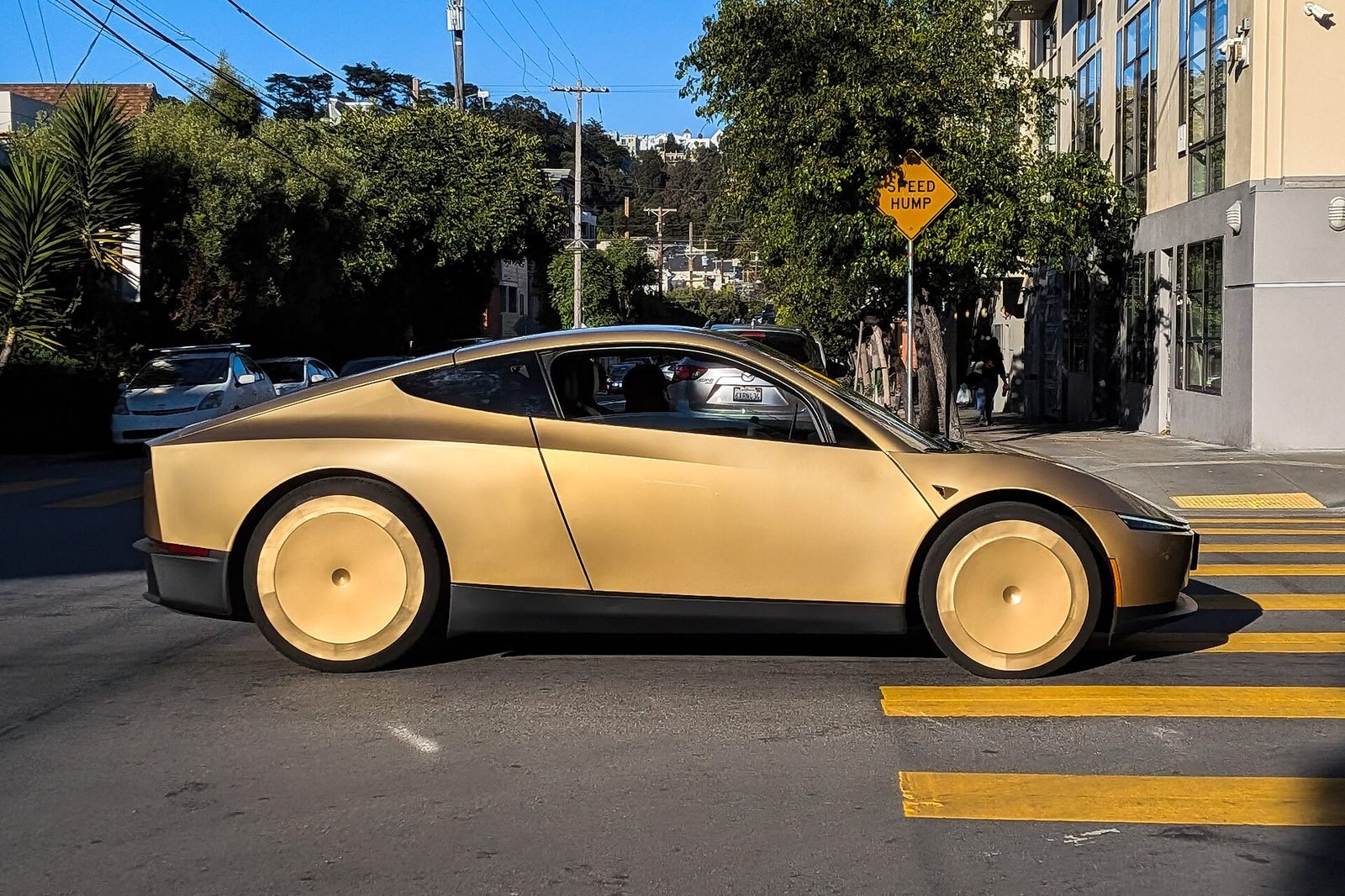
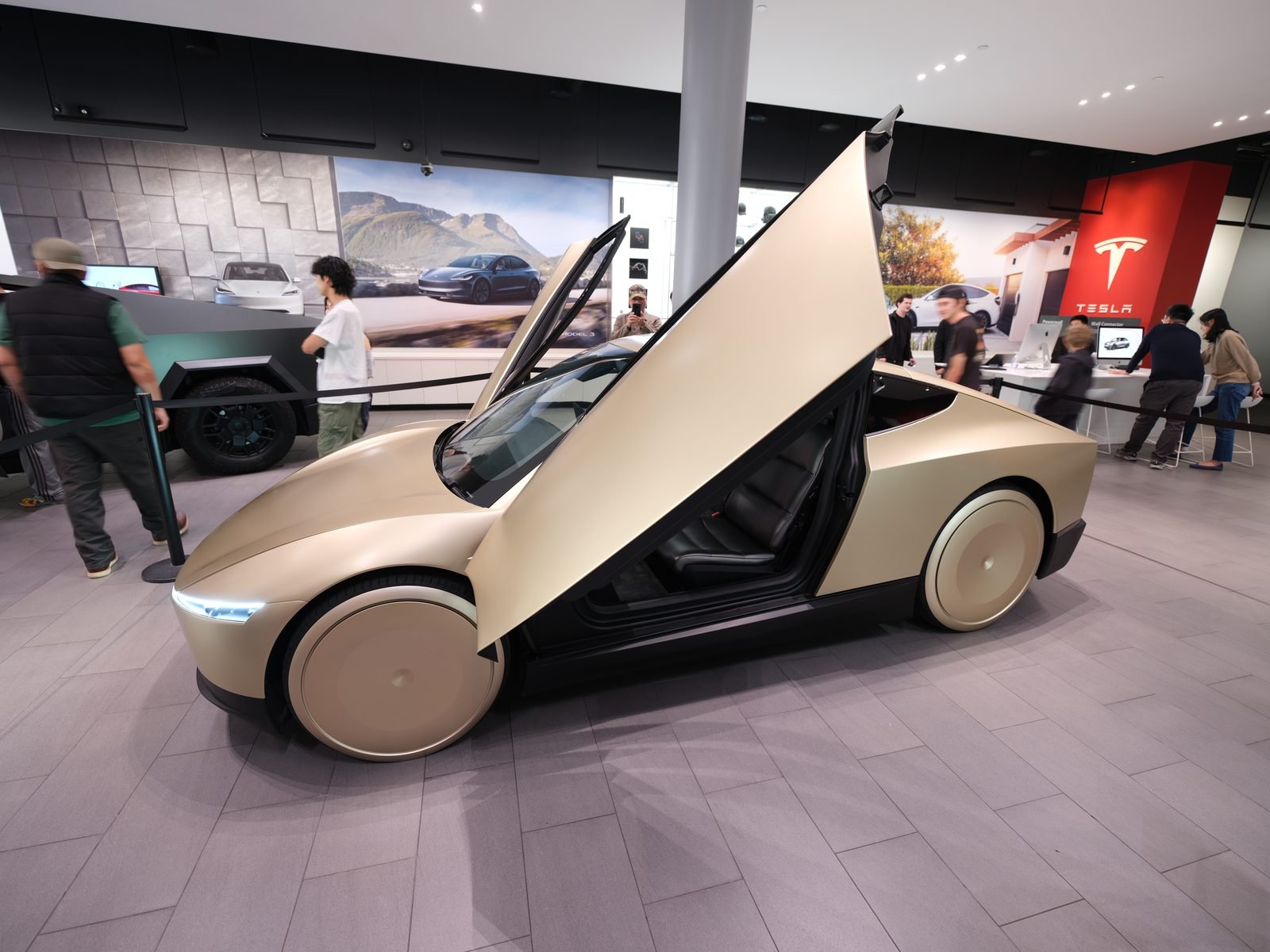
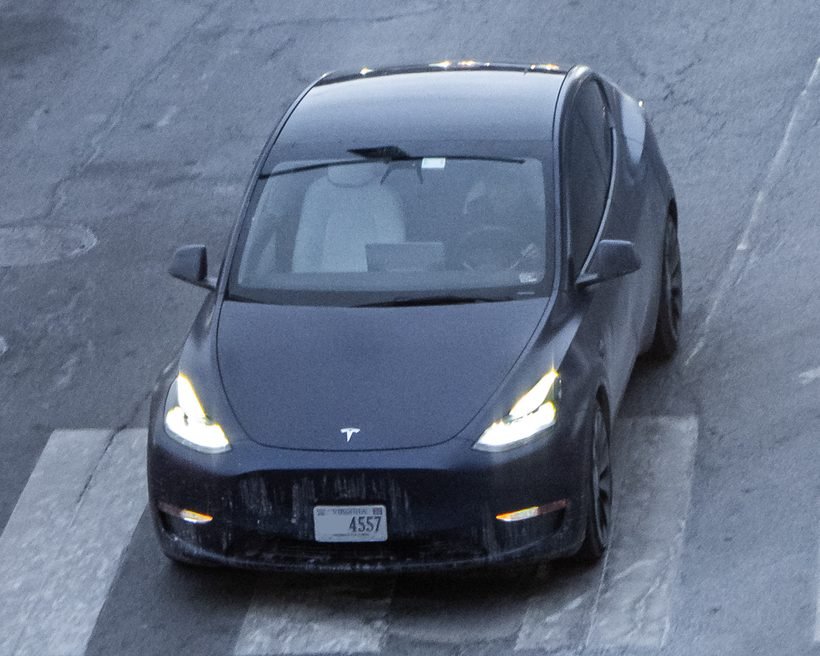
Tesla's robotaxi service is a ride-hailing service that runs Model Y vehicles and Cybercabs in select cities. It runs a custom "Unsupervised FSD" software branch (version 15, according to Tesla's second-quarter 2026 call), while customer cars run the supervised branch (version 14.x). Tesla AI chief Ashok Elluswamy has said the difference is "primarily legal, not technical" — the same codebase family, different regulatory status. Only HW4 cars can run unsupervised; HW3 cars are excluded. Tesla's validation vehicles carry extra rooftop sensor rigs, including lidar, for ground-truth data — but those rigs are for testing, not for the production fleet, which is vision-only on newer hardware, with no lidar or radar.
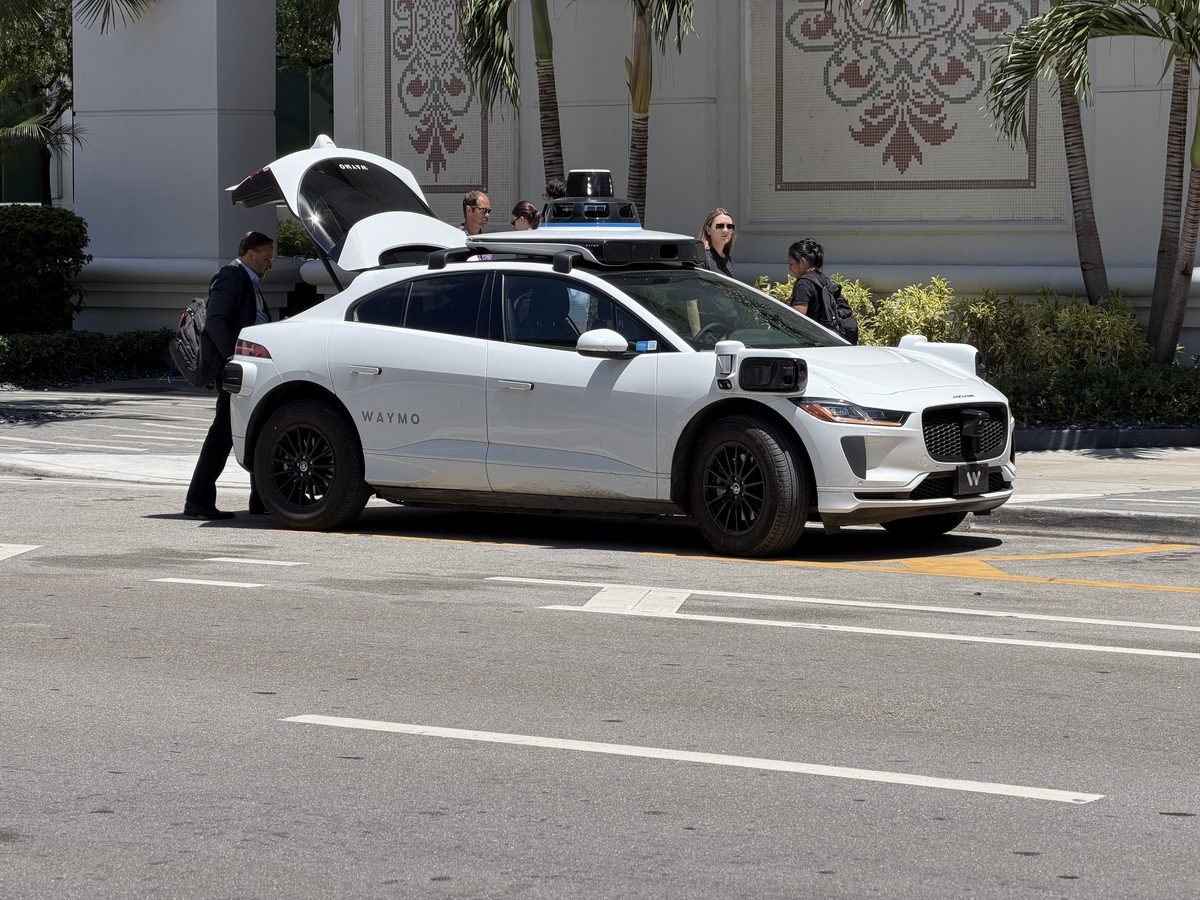
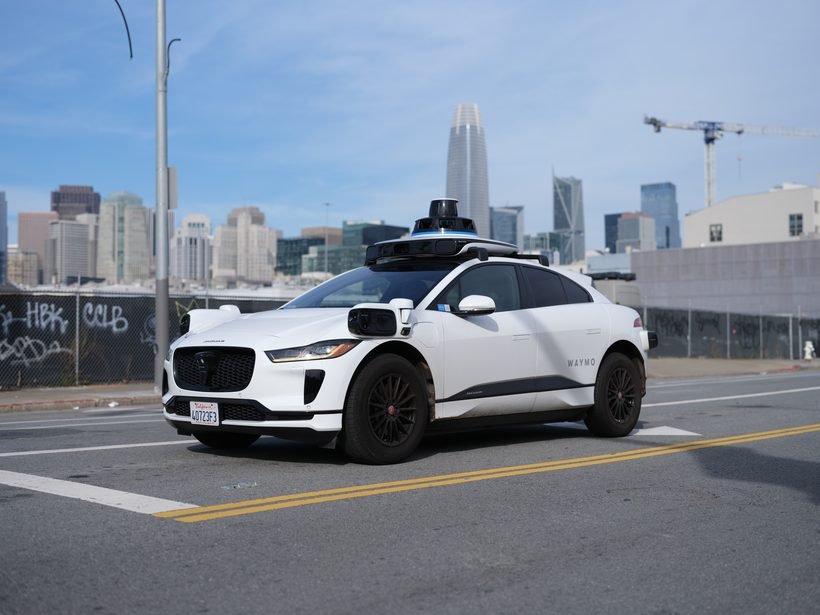
Waymo's service is a driverless ride-hailing service that Waymo operates with its own vehicles, including through the Uber app in Austin and Atlanta and through Lyft in Nashville. Its current purpose-built vehicle is a Zeekr model using cameras plus lidar plus radar — a deliberately different sensor bet from Tesla's camera-only production fleet.
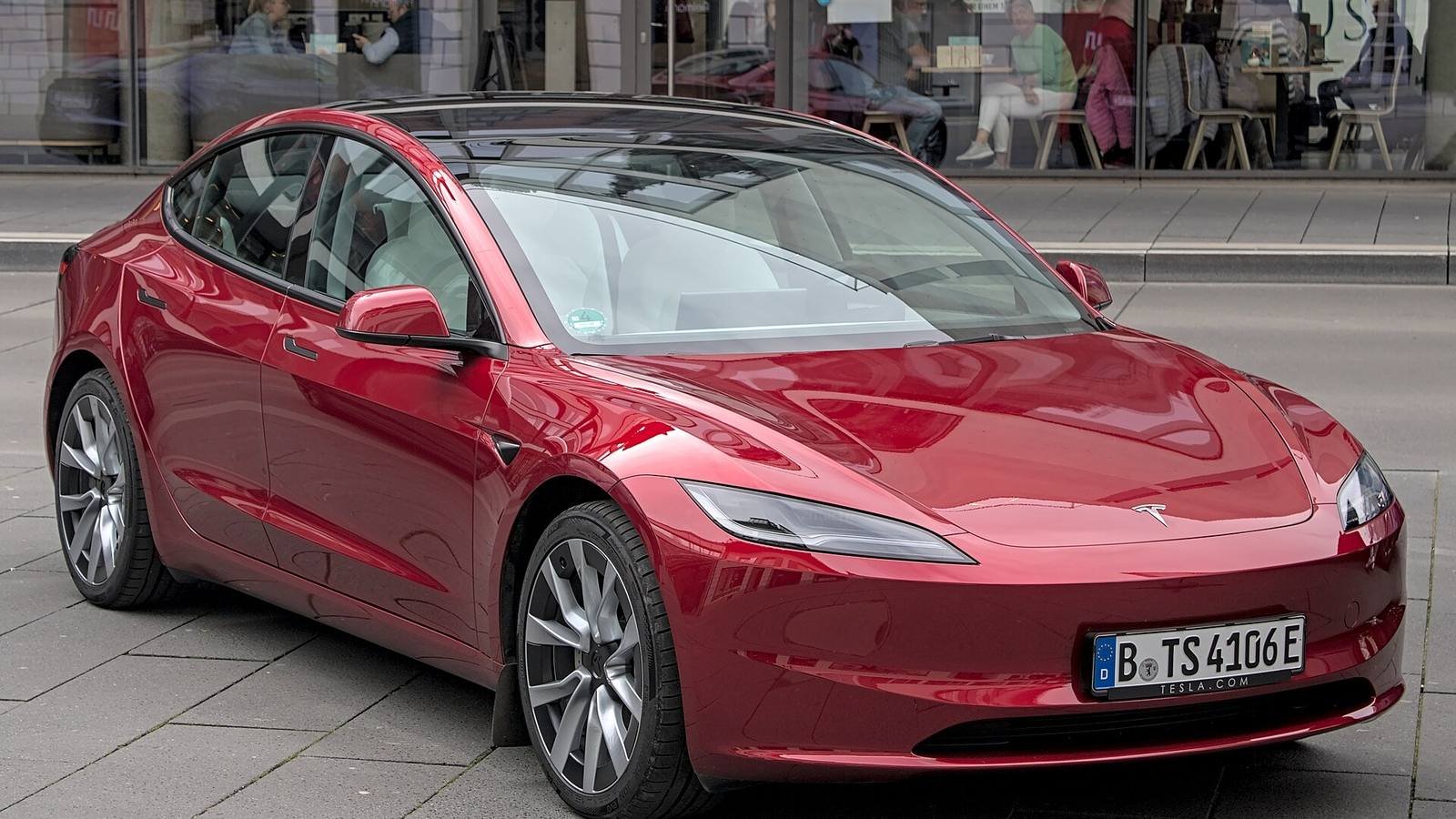
Owning a Tesla with FSD (Supervised) does not mean you own an autonomous car, and riding in a Tesla robotaxi does not mean your car can drive itself. One more detail for shoppers: Tesla removed Autosteer from standard Autopilot on new Model 3 and Model Y cars, so only traffic-aware cruise control remains standard and lane-centering now requires the FSD subscription.
Where each service operates today
Tesla does not publish a complete, official status list, so the Tesla table is a snapshot from reporting and Tesla's own statements, dated October 27, 2026. Waymo's list is firmer because Waymo announces its markets. "By invitation" means the service is not yet open to everyone in that city.
Tesla robotaxi — where it runs
| City | Status |
|---|---|
| Austin, Texas | Live to the public through the Robotaxi app. Launched June 22, 2025, supervised, roughly 10 to 20 Model Ys at $4.20 flat, invite-only. Metro-wide unsupervised from June 3, 2026. Public paid Cybercab rides since early September 2026. Coverage about 264 square miles (October 14, 2026). Boundary expanded to the Circuit of the Americas before the Formula 1 weekend. |
| Dallas, Texas | Live to the public with unsupervised Model Ys. Launched April 18, 2026, alongside Houston. Cybercab rides are expected "next month" per the third-quarter 2026 call — not live as of October 26, 2026. |
| Houston, Texas | Live to the public with unsupervised Model Ys. Launched April 18, 2026, in a roughly 25-square-mile northwest zone. Expanded October 26, 2026, to a starship-shaped zone through downtown toward Bellaire. Tesla disclosed no new zone size and no hours change. |
| Miami, Florida | Live to the public, unsupervised from day one. Launched July 3, 2026, in West Miami and Doral — Tesla's first market outside Texas and California. |
| Orlando, Florida | Live to the public, unsupervised from day one. Launched July 21, 2026, in the airport corridor around Semoran and Lee Vista. |
| Tampa, Florida | Live to the public, unsupervised from day one. Launched July 21, 2026. One Tampa incident appears in the August 2026 federal incident file. |
| San Francisco Bay Area | Live to the public, but with a safety driver in every car under a California TCP permit. California law blocks driverless operation here, so this is the one Tesla market where the ride is still supervised by design. |
| Phoenix and Las Vegas | Not launched. Preparations were reported underway in the second quarter of 2026. Nevada approved Tesla on August 20, 2026, with a first-year ceiling of up to 5,000 vehicles — a ceiling, not a fleet — and Tesla had not started operating under its permit as of October 25, 2026. |
Waymo — where it runs
| City | Status |
|---|---|
| Phoenix, Arizona | Driverless and open since October 2020, the longest-running market. Freeway driving live. |
| San Francisco, California | Driverless and open since August 2023. Freeway driving live. |
| Los Angeles, California | Driverless and open since March 2024. Freeway driving live. |
| Austin, Texas | Driverless and open through the Uber app since March 2025 — before Tesla's June 2025 launch. Freeway rides since September 24, 2026, on I-35, MoPac, US 183, and US 290. |
| Atlanta, Georgia | Driverless and open through the Uber app since June 2025. |
| Miami, Florida | Driverless and open since late 2025. Freeway driving live. |
| Dallas, Texas | Driverless and open since February 2026. |
| Houston, Texas | Driverless and open since February 2026. |
| San Antonio, Texas | Driverless by invitation since February 2026. |
| Orlando, Florida | Driverless and open since February 2026. |
| Nashville, Tennessee | Driverless and open since April 7, 2026, and through Lyft since September 9, 2026. |
| Denver, Colorado | Driverless by invitation since September 1, 2026. |
| San Diego, California | Driverless by invitation since September 1, 2026. |
| Tampa, Florida | Driverless by invitation since September 1, 2026. Tesla also operates in Tampa, so the two services overlap here. |
| Las Vegas, Nevada | Driverless and open, with paid rides since September 14, 2026, and more than 100,000 registrations of interest. |
Fleet size: what the numbers actually mean
Tesla does not disclose an operating robotaxi fleet, so every Tesla number below is a claim, a registration count, or a tracker estimate — and those three things are not the same. Waymo publishes its own figures, which are larger and easier to check.
The closest public count is the Texas registration record, which lists vehicles authorized as robotaxis — not vehicles carrying riders. The latest count, reported by Drive Tesla on October 26, 2026, is 970 vehicles: 463 Cybercabs and 507 Model Ys. The register counts vehicles authorized statewide and does not say how many are actively operating, so 970 is a ceiling on the Texas fleet, not a measure of cars on the road. Counts vary by date and method, which is why older tallies (739 in early October, 803 in mid-October) look different: the register was growing through the month, with the latest additions all Cybercabs.
Tesla's own claim is narrower: more than 300 Cybercabs serving Austin by October 10, 2026, an eightfold increase in 30 days. Our piece on Tesla's Cybercab fleet in Austin has the full count. The Formula 1 weekend gave the most vivid illustration. Community tracker Cybercab Spotter logged a record 1,250 Cybercab sightings in Austin on Saturday, October 24, with 1,159 — 93% — showing nobody in the driver's seat, against a previous high of 1,072 on October 16. Sightings are not vehicles — the same car counted twice counts twice — and these are community counts, not Tesla fleet numbers.
Scale looks different measured in miles. Tesla's safety report for January 22 to October 18, 2026, counted 3,112,541 autonomous miles: 2,118,015 in Austin, 608,130 in Dallas, and 225,964 in Houston. Do not mix that with Tesla's separate figure of about 2.4 million cumulative paid miles through the end of June 2026 — different windows, different definitions. For Houston, a third-party tracker estimates the expanded zone at about 254 square miles served by only about 34 unsupervised Model Ys. The same tracker counts 397 driverless vehicles in Austin, more than half of them Cybercabs. The map is growing faster than the fleet behind it.
The history shows how often the fleet story has been revised. The Austin launch ran roughly 10 to 20 cars in June 2025. A September 2025 estimate put it near 30. Musk said in fall 2025 that Austin would have 500 robotaxis by the end of 2025, then revised that to about 60 in November 2025, according to Bloomberg. Tesla's manufacturing capacity is not the constraint — Tesla builds far more cars than Waymo has robotaxis. The constraint is the software and validation work needed to run vehicles without human backup, plus regulatory approvals. Until Tesla shows large-scale unsupervised operation, the fleet gap remains the clearest measure of where things stand.
Waymo's numbers are of a different order: about 4,000 cars, per Reuters and Semafor reporting from October 19, 2026, with more than 500,000 paid rides a week. Its stated targets are 8,000 cars by the end of 2026 and 20,000 by the end of 2027 — targets, not fleets. Its Austin fleet is at least above 100 vehicles on a September 2025 estimate, the dated floor; a higher figure near 250 circulates with weaker sourcing and should not be treated as current.
Safety record and regulatory scrutiny
Safety is the question most readers ask first, and the hardest to answer cleanly. Start with the current total, because older figures still circulate. Tesla's own filings to NHTSA listed 14 Austin crashes through early 2026, then 17 incidents through March 2026. The latest release, covering through August 2026, lists 36 unique incidents — mostly low-speed, property-damage-only, with no fatalities. Because the file contains no mileage or fault data, no crash rate can be computed from it. Anyone quoting a Tesla-versus-Waymo crash rate from this data is doing arithmetic the data cannot support.
The August 2026 file breaks down as Austin 26, Dallas 7, Houston 2, and Tampa 1. Thirty-one of the 36 happened at 6 mph or less. Only two alleged injuries appear in the file, both minor and both from July 2025. No airbag deployed in any of them, and three vehicles were towed. NHTSA itself warns that this standing general order data is not statistically representative and should not be used to rank companies. Our full breakdown of the 36 is in our Tesla robotaxi crash filings piece.
The earlier 17-incident file, covering July 2025 through March 2026, is more detailed. Every one involved a 2026 Model Y with the automated system engaged and a safety monitor present. Thirteen caused property damage only, two reported no injuries, one caused a minor injury without hospitalization, and one caused a minor injury requiring hospitalization. Two were caused by remote teleoperators, one involving a fence and one a construction barricade. A breakdown of fault circulated in summaries, but it was not verified against the primary data and is not repeated here.
Alongside the incident files sit three separate NHTSA matters, and they should not be blurred together. NHTSA opened a preliminary evaluation in October 2024 covering about 2.4 million vehicles after four crashes in reduced-visibility conditions, including a fatal 2023 Arizona pedestrian crash. In October 2025 it opened a separate investigation covering about 2.88 million vehicles after reports of red-light running and wrong-way driving. In March 2026 the visibility probe was escalated to a full engineering analysis covering about 3.2 million vehicles. These are investigations, not findings. The October 2024 probe examined whether the supervised system's degradation detection recognizes reduced visibility — sun glare, fog, dust — and warns the driver in time; the engineering-analysis file lists 9 crashes, 2 injury incidents, and 1 fatality. The October 2025 probe covers more than 50 reported traffic-law violations.
Before the launch, NHTSA sent Tesla a detailed letter — dated May 8, 2025, published May 12 — asking how the system would handle sun glare, fog, dust, rain, and snow, whether vehicles would be monitored in real time, how it would interact with first responders and comply with traffic law, and what sensors and standards applied. Tesla answered by the June 19 deadline, but its visibility response was filed as confidential business information, so no detailed public answer exists. After launch, videos showed a car entering a left-turn-only lane, going straight, and crossing into the opposing lane for about ten seconds, and another stopping twice mid-road near police lights. NHTSA said: "NHTSA is aware of the referenced incidents and is in contact with the manufacturer to gather additional information." The agency added: "Following an assessment of those reports and other relevant information, NHTSA will take any necessary actions to protect road safety."
Separately, NHTSA logged a petition on October 9 alleging Tesla robotaxis exceeded speed limits in active school zones, based on social-media videos and one agency-logged incident, with no crashes or injuries alleged. The agency has 120 days to grant or deny it. That petition is distinct from the investigations above.
Tesla has argued that its system is safer than human driving, and Musk has made similar claims, but Tesla has not published peer-reviewed safety data to support them. Waymo has published safety information, though its areas, miles, and conditions differ from Tesla's, so a direct comparison is difficult. Waymo's Safety Impact hub, through June 2026, covers 271.3 million rider-only miles across Phoenix, the San Francisco Bay Area, Los Angeles, Austin, and Atlanta, and reports 95% fewer serious-injury-or-worse crashes than locally adjusted human benchmarks (0.01 versus 0.21 per million miles), 82% fewer injury crashes (0.67 versus 3.77), 82% fewer airbag-deployment crashes, 93% fewer pedestrian-injury crashes, 86% fewer cyclist-injury crashes, and 82% fewer motorcyclist-injury crashes, counted regardless of fault. Carry the caveats: this is Waymo's own analysis, though its methodology is published and auditable; it covers only five cities; and exposure is uneven, Phoenix at about 92 million miles against Atlanta at under 9 million. A peer-reviewed study in Traffic Injury Prevention, covering 56.7 million miles through January 2025, found significant reductions in 11 crash-type groups and none worse. A July 2026 IIHS study found 68% fewer crashes per mile and 81% fewer injury crashes.
Bad weather and reduced visibility
Weather is the concern NHTSA has raised most often, and where the two companies' engineering choices diverge most visibly. The agency's questions focused on how Tesla's camera-based system would perform in sun glare, fog, rain, and snow. Tesla's production fleet relies primarily on cameras, while Waymo's vehicles use cameras, lidar, and radar. The two designs trade different strengths in low visibility, and that difference is central to the technical debate. Tesla answered NHTSA's pre-launch questions by the deadline, but the visibility portion was filed confidentially, so there is no detailed public answer to check, and readers should be cautious about weather claims from either side until specifics are published. Rain or fog driving is a separate test from clear-weather driving, and Austin's typical conditions do not represent the range a national service would face.
Cost and riding experience
Pricing is the other question most riders ask, and the one where the answer has changed fastest. Both services price per trip, and neither publishes a stable fare table, so everything below is a snapshot. Prices change often — check the app before you ride.
A Jefferies test of Austin rides in early 2026, as summarized in coverage, illustrates the experience gap at that point: of 15 Tesla rides, only 2 were fully driverless (13%), with more than 25% of booking attempts unavailable and multiple human takeovers, at fares roughly 50% cheaper than UberX. All 19 Waymo rides were driverless, with one remote-assist intervention, at prices similar to UberX. That test predates Tesla's fleet growth and paid Cybercab rides — a snapshot of a younger service, not a verdict on today's fleet.
Later snapshots are mixed, which is itself the point. A single Dallas receipt circulating in October 2026 showed a 2.25-mile trip at $6.15 on Tesla against $13.93 on Waymo for the same route — one receipt, not a fare study. Tesla's Austin pricing moved from a $4.20 flat fare at launch to $6.90, then to a per-mile model in March 2026 of $3.00 base plus $1.40 per mile, with no tipping. The Austin American-Statesman compared the two on the first day of paid service, September 4, 2026: a Montopolis-to-downtown trip cost $19.58 on Tesla against $12.96 on Uber — which dispatches Waymo in Austin — while a similar Tesla ride the next day was quoted at $12.15. Obi, a fare-tracking service, measured Tesla fares up 41% from January to April 2026.
Waymo's pricing has moved the other way in some samples. An Obi sample of San Francisco Bay Area trips from late November 2025 to January 1, 2026, put Waymo's average at $19.69 per trip against Uber's $17.47, Lyft's $15.47, and Tesla robotaxi's $8.17. Waymo's premium over UberX shrank from about 31% in an April 2025 sample to about 12.7% in the November-to-January sample, before Waymo's San Francisco prices rose about 18% since December, per an Obi update in April 2026. The honest summary: neither service is consistently cheaper. Tesla's fares are lower in some samples and higher in others, and Waymo's premium over Uber has narrowed and then widened again.
Wait times tell a similar story of a maturing but uneven service. Reported Tesla waits in Austin run 10 to 15 minutes, against about 5.7 minutes for Waymo in core zones, and some Tesla riders report waits over 30 minutes. A 2025 Business Insider review of launch videos documented wrong-way driving and monitor interventions, but that was the early rollout and predates later changes.
What this means if you own or plan to buy a Tesla
For buyers, the robotaxi race shapes what your car can do, what it costs, and what it might be worth. The short version: the consumer product has not become autonomous, the unsupervised version has slipped, and the pricing is still unknown.
Consumer unsupervised FSD has not arrived. On Tesla's first-quarter 2026 call on April 22, 2026, Musk said, "I'm just guessing here, but probably in the fourth quarter" — gradual, geography by geography, and only where the system is "confirmed to be safe" — citing complex intersections, bad road markings, and weather challenges. He also said unsupervised and robotaxi revenue "will not be super material this year" but would be "material, probably in a significant way, next year," and hoped for unsupervised operations in "a dozen or so states" by the end of 2026. Treat that states line as a dated forecast, not a fact.
The timeline then slipped. On the third-quarter 2026 call on October 21, 2026, AI chief Ashok Elluswamy said "somewhere around Q2 next year [2027] is when we can turn on some of the first customer vehicles to be part of the robotaxi fleet." So the buyer-facing timeline moved from the fourth quarter of 2026 (April) to around the second quarter of 2027 (October). That slip follows a longer history of missed autonomy promises, stated here as attributed history rather than mockery: full autonomy promised for 2018, a million robotaxis by 2020, unsupervised driving by June 2025, "millions fully autonomous" in the second half of 2026 (April 2025 call), and coverage for "half the US population by end of year" (July 2025 call). None of those arrived on schedule.
Pricing is another open question. Tesla has not announced a price for unsupervised FSD. Leadership has said only that pricing could change and that a tiered price is conceivable, with the unsupervised branch expected to cost more than today's $99-a-month supervised subscription. Treat any dollar figure for unsupervised FSD as speculation. The current consumer price is $99 a month, subscription-only, since February 14, 2026, when Tesla ended the one-time purchase option (last priced at $8,000; early-access buyers pay $49 a month). Any article still describing a "subscription or purchase" choice is out of date.
Resale value is where readers should be most skeptical. There is no reliable independent evidence that FSD features affect used-car prices, so any claim that autonomy features will raise your car's resale value is speculation. The practical checklist is simpler: buy the car for what it does today, not for what unsupervised driving might do later; check whether your car has HW4 hardware if unsupervised capability matters to you, since HW3 cars are excluded; understand that FSD (Supervised) still requires your full attention; and remember that the robotaxi service is not something your own car can join yet.
One more note for shoppers: if you test-drive a Tesla with FSD (Supervised), you are testing a driver-assistance system, not the robotaxi. The robotaxi runs different software under different rules. Our piece on trying FSD yourself through Turo rentals explains how to try the supervised system before you buy.
What analysts say
Analyst views are split, and the split maps onto the two companies' different strengths. Barclays analyst Dan Levy described Tesla's underlying fundamentals as "mostly an afterthought" to its AI efforts, in September 2026 reporting on Barclays (the firm then rated Tesla Equal Weight with a $370 target and estimated third-quarter deliveries of 475,000 against a Bloomberg-compiled 466,000). Barclays later raised its target — our stock piece explains why Barclays raised its Tesla target to $450 — but that is a separate story, and this article does not re-argue it.
On the other side, Gary Black of Future Fund argued in September 2026 that 8 to 10 rivals will match Tesla's costs, so "Uber should win easily" with its broader platform. Jefferies' analysis reached a similar conclusion from the pricing side: Tesla's robotaxi "does not demonstrate a clear cost advantage over traditional rideshare services." The gap between the two views is not really about technology. It is about whether Tesla can scale fast enough, and cheaply enough, to matter against a platform that already moves millions of riders a day.
What to watch
Several dates will move this story in the next few months. Tesla's response to NHTSA's Cybercab self-certification inquiry (AQ 26002) is due October 30, 2026 — the agency asked why Tesla did not file an exemption petition (the usual route allows 2,500 vehicles a year, as Zoox did) and whether temporary human-operated controls were used during certification. That inquiry is the same matter some drafts called a "Cybercab compliance audit," not a separate one. A proposed federal rule on lighting for automated vehicles — the FMVSS No. 108 modernization, which includes an optional cyan marker lamp for automated driving systems and does not name Tesla or the Cybercab — takes comments until about November 25, 2026. It is a proposal, not law, and should not be confused with the self-certification inquiry.
On the service side, watch whether Cybercab rides actually begin in Dallas in November (see our piece on Tesla's Dallas launch and 24/7 plans), whether Tesla starts in Las Vegas or Phoenix, whether Austin's hours extend toward the promised 2 a.m. and then 24/7 operation by year-end, and whether the first customer Cybercabs are delivered for owner operation before the year is out (see how Tesla is building the Cybercab). The school-zone petition decision is due in early 2027. And the date that matters most for owners is the second quarter of 2027, when Tesla now says the first customer vehicles could join the robotaxi fleet.
Questions readers are asking
Is Tesla's robotaxi safe?
The federal incident file through August 2026 lists 36 incidents, mostly low-speed and property-damage-only, with no fatalities — but the file has no mileage or fault data, so no crash rate can be computed from it. Waymo publishes safety comparisons showing large reductions against human benchmarks, with caveats about the cities covered. Neither dataset supports a clean head-to-head ranking.
Where can I ride a Tesla robotaxi today?
In Austin, Dallas, Houston, Miami, Orlando, and Tampa, plus the San Francisco Bay Area with a safety driver in every car. Phoenix and Las Vegas are not launched. Waymo runs driverless rides in 15 markets, including Austin through Uber.
Is Full Self-Driving fully autonomous?
No. The consumer product is Level 2 driver assistance. You must stay attentive and ready to take over at any moment. The robotaxi runs a different software branch under different rules.
When will owners get unsupervised FSD?
Not yet. Tesla said the fourth quarter of 2026 in April 2026, then around the second quarter of 2027 in October 2026. The unsupervised branch is expected to cost more than today's $99-a-month subscription, but Tesla has announced no price.
Which service should I choose as a rider?
It depends on where you are and what you value. Waymo is available in more cities, runs more cars, and has published safety comparisons. Tesla is newer, cheaper on some trips and pricier on others, and still scaling. Check both apps in your city before deciding — and expect the answer to change in the next few months.
The bottom line
Waymo is the larger, more established robotaxi service today: more cars, more cities, more paid rides, and published safety data. Tesla's service is newer, smaller, and still working through the hardest parts — scaling unsupervised operation, proving weather performance to regulators, and turning a promising Austin pilot into a national network. Tesla's advantages are real too: a manufacturing base that dwarfs Waymo's fleet, a purpose-built Cybercab now in public service, and a software stack that improves with every mile. The next six months — Dallas Cybercabs, Las Vegas and Phoenix launches, the NHTSA response, and the move toward 24/7 operation — will show whether Tesla's scale-up is real or another slipped timeline. For buyers, the advice stays simple: buy the car for what it does today, watch the service for what it becomes tomorrow, and do not pay today for autonomy that has not arrived yet.