BYD is coming for Rolls-Royce — and it's not starting in China. The company's ultra-luxury Yangwang division will give its new flagship electric sedan a global launch in the United Arab Emirates, not its home market. That's a first for the brand, and it tells you exactly who BYD thinks will buy a $300,000 Chinese electric sedan.
Let's say the important part up front: this car won't be sold in America. But if you care about where EV technology goes next — batteries that could charge in minutes, a Chinese brand going toe-to-toe with the Phantom and the Maybach S-Class — this is the one to watch. Here's everything that's actually confirmed.
The short version: Yangwang general manager Hu Xiaoqing confirmed this week that the new flagship sedan's global launch will take place in the UAE. The car is expected to measure about 5,500 mm (216 inches) long — Rolls-Royce Phantom territory — with rear-hinged coach doors, a first for any BYD. It was shown at one of BYD's Flash Charging stations, which strongly suggests megawatt-level charging. And it's widely reported to be the first production vehicle with BYD's solid-state batteries. Official debut is expected this month, with prices rumored to start in the 2 million yuan range — roughly $300,000.
What BYD actually confirmed
The details come from the top of the Yangwang organization. Hu Xiaoqing, the brand's general manager, revealed several images of the new executive sedan in testing last month — camouflaged, but unmistakably a vast, Phantom-shaped luxury sedan. Then this week came the location bombshell: the global launch happens in the UAE, not China. BYD hasn't given a specific date yet, but the official debut is expected before the end of October.
Zheng Yu, Yangwang's executive general manager, said the new model will feature "unprecedented disruptive technology" — which is executive-speak, sure, but coming from the brand that made a car dance on its suspension, it carries some weight. The coach doors alone are a statement: no BYD has ever had rear-hinged doors, and in the ultra-luxury world, they're shorthand for "we're serious."
Size-wise, local reports put the car at around 5,500 mm long. For reference, that's within a few inches of a Rolls-Royce Phantom and a Mercedes-Maybach S-Class. This isn't a big sedan. It's a land yacht with a battery.
The solid-state angle is the real story
Here's why this car matters beyond the champagne-and-coach-doors crowd: it's reportedly going to be the first BYD to use solid-state batteries. That's the technology the entire industry has been chasing for a decade — denser energy storage, better safety, faster charging — and nobody has shipped it at scale yet.
The timing lines up. BYD executive vice president Stella Li said in an interview last month that the company's first vehicle with solid-state batteries will debut in 2027. A flagship launching now, in limited ultra-luxury volumes, is exactly how you'd introduce a technology that's still expensive to build: start where the price tag can absorb the cost, prove it in the real world, then push it down the lineup.
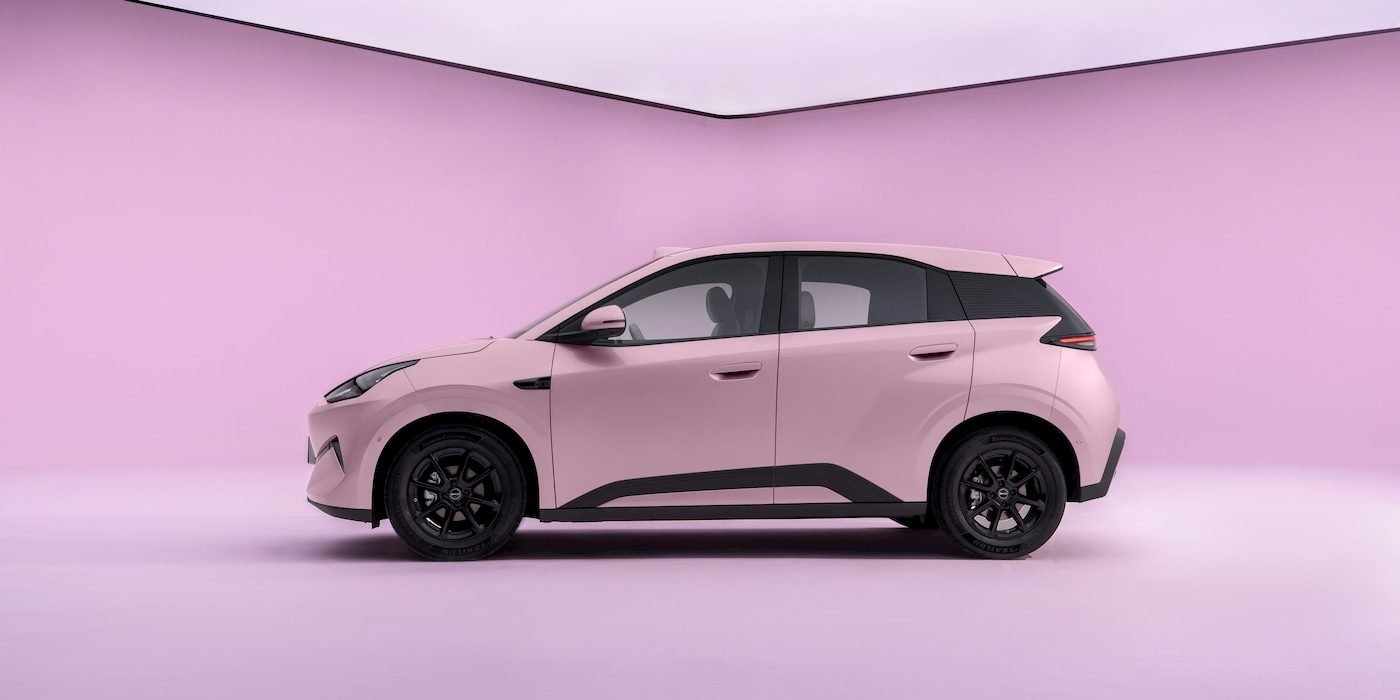
Then there's charging. The flagship was shown at BYD's own Flash Charging station, which points to megawatt-level charging — the same tech behind the new Tang EV's claimed 5-minute 10-to-70% charge and the second-generation Seagull's 5-minute top-up. If a 5.5-meter luxury sedan can genuinely add hundreds of miles in the time it takes to grab coffee, the "EVs take too long to charge" argument gets a lot harder to make — even at this end of the market.
Yangwang in 60 seconds
If the name is new to you, here's the crash course. Yangwang sits at the very top of BYD's brand hierarchy — above the three sub-brands Denza and FangChengBao, and above the mainstream Dynasty and Ocean families. It's BYD's technology showcase, the division where the wildest engineering debuts first.
The brand's calling card is the e4 platform: a quad-motor setup delivering around 1,300 horsepower, paired with the DiSus-X intelligent body control system. That's the tech that lets a Yangwang "dance" on its suspension, jump over obstacles, and drive on three wheels. It sounds like a party trick until you realize it's a live demonstration of per-wheel torque control at a level nobody else is shipping.
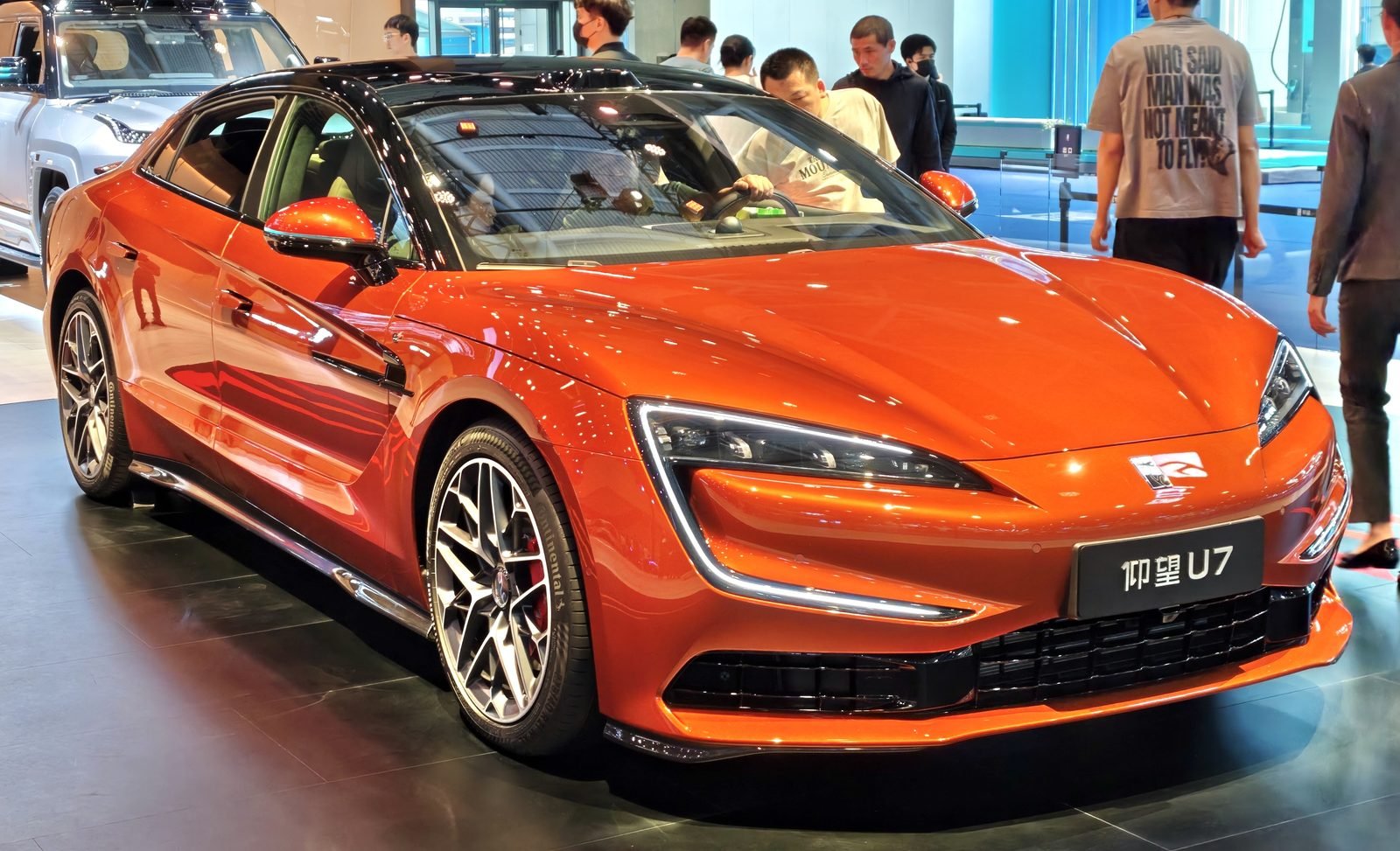
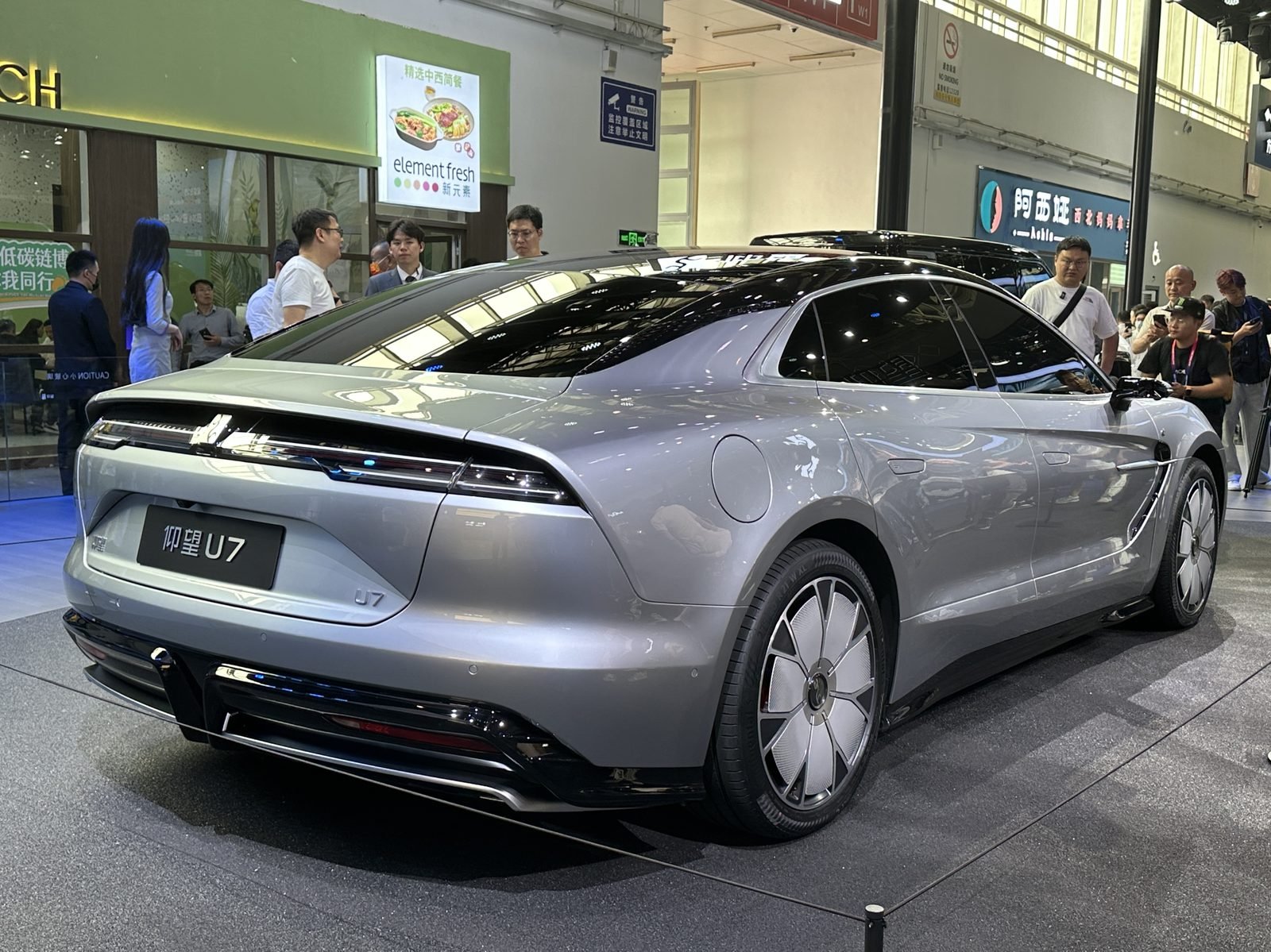
The current lineup: the U7 electric sedan starting at 658,000 yuan (about $98,000), the U8 and stretched U8L plug-in hybrid luxury SUVs — the U8L is the brand's priciest mass-produced vehicle at 1.45 million yuan, roughly $217,000 — and the U9 fully electric super-coupe. The new flagship sedan would sit above all of them, at roughly double the U8L's price if the 2-million-yuan rumor holds.
Why the UAE, not China
This is the most interesting decision in the whole story. Chinese brands almost always launch flagships at home first — it's where the factories are, where the media is, where the home crowd cheers loudest. Going to the UAE first is a deliberate signal.
And it's not hard to read. The Gulf states are where ultra-luxury cars actually sell in volume: chauffeur-driven Phantoms and Maybachs are daily traffic in Dubai and Abu Dhabi. The region is also pouring money into electrification and wants to be seen as the future of luxury, not just oil wealth. For BYD, a UAE debut says "we're playing in the global luxury league" in a way a Shanghai auto show never could. It also neatly sidesteps China's brutal domestic price war, where even flagships get dragged into discount battles.
There's a precedent forming here, too. Chinese automakers have been using the Middle East as a launchpad for premium models aimed at global audiences — wealthy buyers, international press, and none of the tariff drama that follows Chinese cars into Western markets.
The $300,000 question
Let's talk about that rumored price: 2 million yuan, about $300,000. That's serious money — more than a loaded Mercedes-Maybach S-Class in some markets, though still well under a Phantom's $500,000-plus. It would make this the most expensive Chinese production car ever sold by a wide margin.
Can BYD pull it off? The honest answer is that nobody knows yet, because nobody has tried. What BYD has going for it: the Yangwang brand already sells a $217,000 SUV, the technology story is genuinely ahead of the legacy brands on batteries and charging, and the target buyer — Gulf ultra-luxury — cares more about novelty and statement than heritage. What it has against it: Rolls-Royce and Bentley sell a century of prestige that no spec sheet can match, and $300,000 is the price where buyers stop forgiving rough edges.
The smart money says the first-year volume will be tiny and that's the point. This car is a halo — its job is to make everything else BYD sells look more advanced, and to prove solid-state batteries are real. If it sells a few hundred units to sheikhs and collectors while doing that, mission accomplished.
Why an American should care
Fair question — you can't buy it, and with current tariffs you probably won't be able to anytime soon. Three reasons to pay attention anyway.
First, technology trickles down. The company selling a $300,000 solid-state flagship is the same company selling the Seagull — a 5-minute-charging EV for under $10,000 in China. Today's Yangwang experiment is tomorrow's mainstream BYD feature, and eventually it shows up in cars your competitors sell against. When solid-state batteries get cheap enough for a $30,000 car, the company that proved them at $300,000 has a head start.
Second, the solid-state race is the most important technology contest in the auto industry right now. Toyota, Samsung, and half of Silicon Valley are chasing it. If BYD ships it first — even in a low-volume flagship — that resets everyone's timeline, including the timelines that determine what your next EV can do.
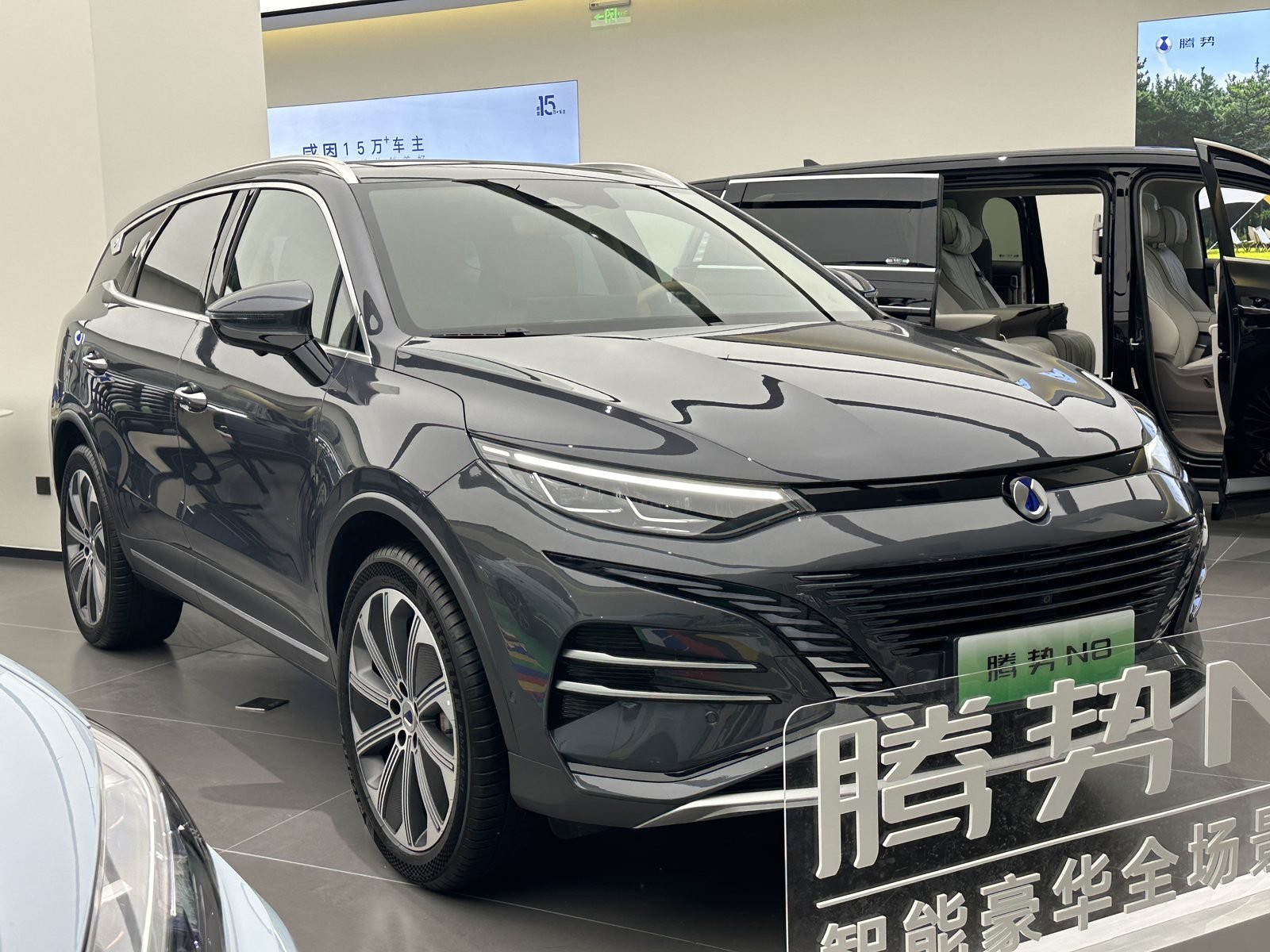
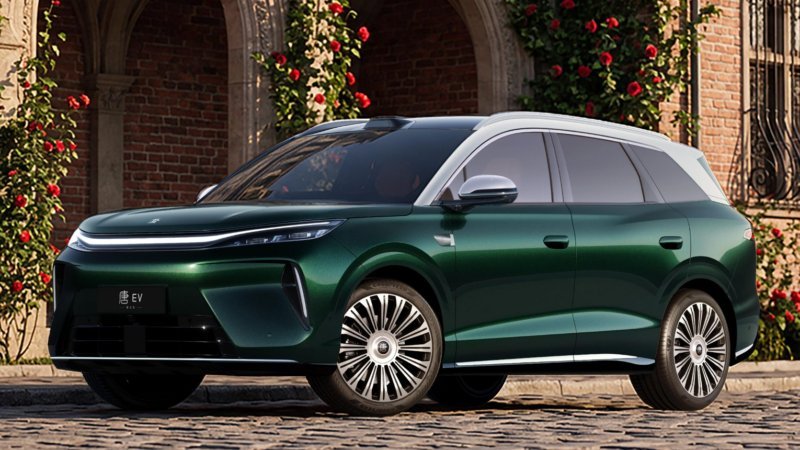
Third, pricing pressure is global even when the cars aren't. Every time a Chinese brand proves it can sell advanced EVs at shocking prices — or shocking technology at luxury prices — it forces legacy automakers to respond. The Denza N8 EV launching October 26 with 623 miles of range, the 690-hp Tang, the $10,000 Seagull: they're all data points in the same story, and that story is why your next EV will charge faster and cost less than you expected.
What to watch next
The official debut is expected this month, so the wait is short. Watch for three things: confirmation of the solid-state battery (the single biggest claim), real charging numbers (megawatt or marketing?), and the actual price. If BYD confirms all three, the legacy luxury brands have a genuine problem on their hands — and the rest of us get a preview of what EV tech looks like five years from now.