Toyota has been granted a US patent for something no electric motor needs: a gearbox that isn’t there. US Patent 12,679,217, issued July 14, 2026 and surfaced by CarBuzz on October 13, describes an EV whose driver requests shifts with paddles or a lever — and feels the jolt of a sequential race-car transmission. Inside, the car still has a single fixed reduction gear and no clutch. Nothing moves except electrons.
It’s the most serious attempt yet to answer the question hanging over every performance EV: when the engine note is gone and one gear does everything, what’s left for the driver to do? Toyota’s answer is to fake the doing, very precisely.
How the fake shift actually works
The patent’s trick is torque shaping. When you pull a paddle, a controller deliberately changes the electric motor’s output across a defined window — dropping torque to zero for a beat, exactly as if a clutch had disengaged, then restoring it with a brief overshoot past the target. That overshoot is the clever part: it recreates the shove you feel when a clutch bites back under load, as AutoGuide explains.
The system isn’t one-size-fits-all. The response differs between upshifts and downshifts, sport and race modes vary how aggressive the torque cuts feel, and an optional virtual tachometer can display simulated rev changes to sell the illusion. The whole event happens in milliseconds — you’d feel it in your hands and your seat, the way you feel a real sequential ’box kick.
Why there’s no clutch pedal
This is a deliberate break from Toyota’s earlier experiments. The patent states the reasoning plainly: working a clutch trips up drivers raised on automatics, and most EV buyers have barely any experience with a real manual. Ditching the pedal makes the feature usable for everyone — and, Toyota notes, it permits faster requested shifts, bringing the feel closer to how a true sequential gearbox behaves on track, per AutoGuide’s reading of the filing.
It’s a philosophical shift. The old dream was a fake H-pattern manual with a stallable clutch — maximum theater, maximum skill required. The new dream is a fake sequential: paddles only, no pedal, race-car rhythm without the homework.
The earlier fake manual that could stall
Toyota has been circling this idea for years. A separate patent program — detailed by Carscoops — described a simulated H-pattern manual with a clutch pedal and shifter, so faithful it could stall if you botched the footwork, roll backward on hills, and lurch in the wrong gear. A prototype ran in a Lexus UX300e as far back as 2022, complete with synthesized engine sounds.
That system even judged your skill: Drive.com.au reported the software could adapt its assistance — and its willingness to stall you — based on how good a driver it thought you were. Toyota’s bet, apparently, is that the sensation of failure is part of what enthusiasts are actually mourning. The new sequential patent is the pragmatic sibling: all of the rhythm, none of the embarrassment.
Is the electric LFA next?
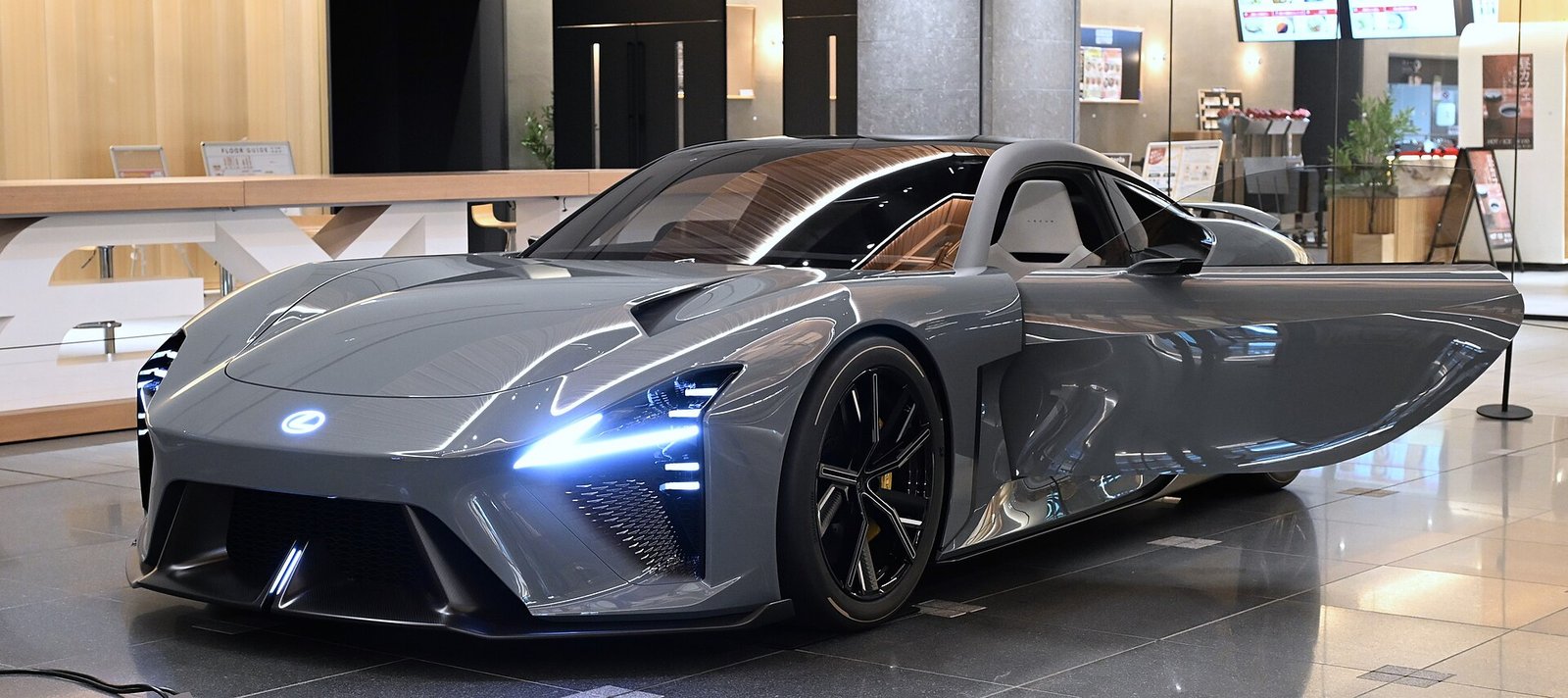
Here’s where we separate paper from wishful thinking — because Backfire News makes the honest case: the patent never mentions Lexus, the LFA, or a sports car at all. Its main worked example is a front-wheel-drive, single-motor EV — about as far from a halo supercar as a Toyota can get. The application was filed in September 2023, from a Japanese filing in November 2022; Lexus didn’t reveal the LFA Concept as a battery-electric car until December 5, 2025.
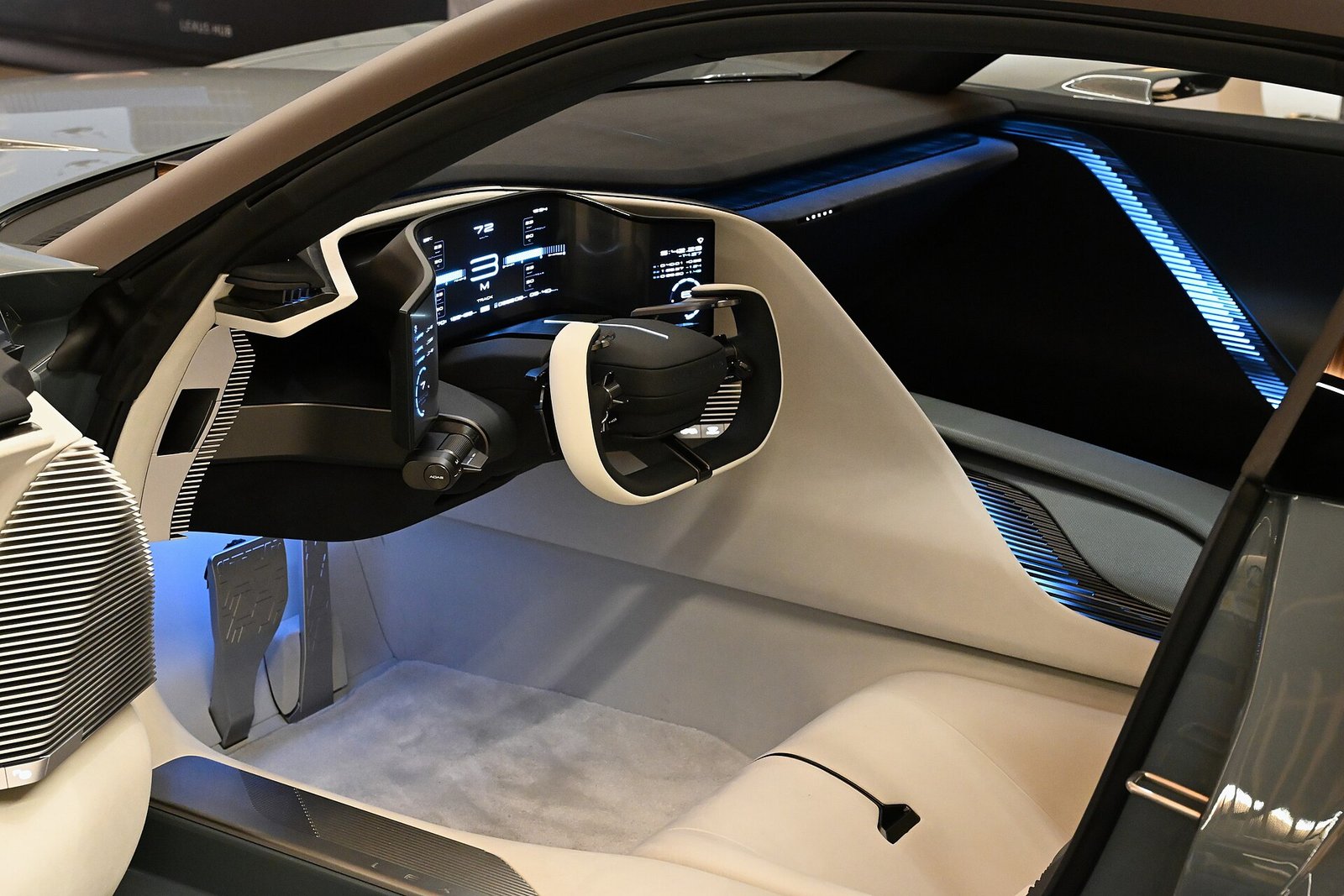
And yet the circumstantial case is strong. The reborn LFA is confirmed as a 2027 full EV. The concept — first shown as the Lexus Sport Concept at Monterey Car Week, then as the LFA Concept at the Japan Mobility Show — wears +/- paddles behind its yoke wheel. TopSpeed argues this patent is the clearest sign yet of what those paddles will actually do, and that chasing a race-car sequential feel — rather than a street-manual simulation — is a canny bet: purists care more about rhythm and engagement than literal authenticity, and a modern race car uses paddles, not a stick.
Lexus has said only that the concept promises “Discover Immersion,” giving dimensions (184.6 inches long, 107.3-inch wheelbase, two seats) and nothing about the powertrain. So the fair headline is this: Toyota now owns a convincing way to make an EV shift like a paddle-shift race car. Whether it lands in the LFA is plausible speculation — but speculation all the same.
How the rivals do it
Toyota isn’t first to the theater. Hyundai’s Ioniq 5 N already ships N e-shift, which imitates a dual-clutch automatic — complete with an artificial redline that punishes you for forgetting to “shift.” Porsche layers in its own EV sound-and-shift theater. EVXL’s take is that Toyota’s version could still stand out, because it copies a sequential manual — torque cut, clutch-bite shove and all — while Hyundai’s copies a dual-clutch automatic. Different gearbox, different religion.
The stakes are highest for the LFA specifically. The original earned its legend partly through a screaming V10 and partly through how obsessively Toyota tuned every mechanical sensation in the car. Losing the engine note was always going to be the hardest sell for an electric successor. A generic one-speed EV shove wouldn’t have helped the case; a tunable paddle-shift ritual just might.
What the internet thinks
The patent lit up car pages within days of CarBuzz surfacing it. A few of the posts drawing the most discussion:
- Torque Japan on Facebook (200K followers) — “THE ELECTRIC LFA COULD SHIFT LIKE A RACE CAR?” graphic breaking down the patent; 4 comments and 19 likes, with the thread split between excitement and “just give us a real gearbox” purists.
- APEX Daily on Instagram (video reel) — a short explainer walking through the torque-cut-to-zero trick and the millisecond jolt; 3 comments and 31 likes, with viewers debating whether they’d want to feel like they’re racing on every driveway exit.
- APEX on Facebook (video reel) — a second cut of the explainer, noting engineers claim the clutchless shifts are faster than any manual — while safety-minded commenters warn simulated stalls could teach EV drivers dangerous habits.
Note: X/Twitter post metrics weren’t accessible for this story; the posts above are the most-discussed Instagram and Facebook posts we could verify.
Quick answers
What is Toyota’s fake gearbox patent? US Patent 12,679,217 (granted July 14, 2026) describes software that fakes sequential-manual shifts in an EV by cutting motor torque to zero and snapping it back with an overshoot — no clutch pedal, no real gears.
Will the electric Lexus LFA have fake shifts? Unconfirmed. The 2027-bound LFA Concept wears shift paddles, and the timing is suggestive — but the patent names no vehicle, so it’s plausible speculation, not fact.
How is this different from Hyundai’s N e-shift? Hyundai imitates a dual-clutch automatic; Toyota’s patent specifically targets the feel of a clutchless sequential race gearbox, including the clutch-re-engagement shove.
Didn’t Toyota already patent a fake manual with a clutch? Yes — an earlier program described a stallable H-pattern simulation with a real clutch pedal, prototyped in a Lexus UX300e in 2022. The new patent drops the pedal for a paddle-only sequential approach.
When could we see it in a real car? The electric LFA is expected in 2027, making it the earliest plausible candidate — if Toyota decides to build the system at all.
The bottom line
A patent is not a product — and this one doesn’t even name the car everyone assumes it’s for. But read the engineering and the intent is clear: Toyota believes the future of driver engagement isn’t more power, it’s more ritual. Cutting torque to zero for a few milliseconds is a small lie told in service of a bigger truth, which is that fast EVs are starting to feel identical, and identical is boring. Whether the LFA gets it or not, somebody’s EV is about to start shifting. Fake gears, real goosebumps.