Paris is the message
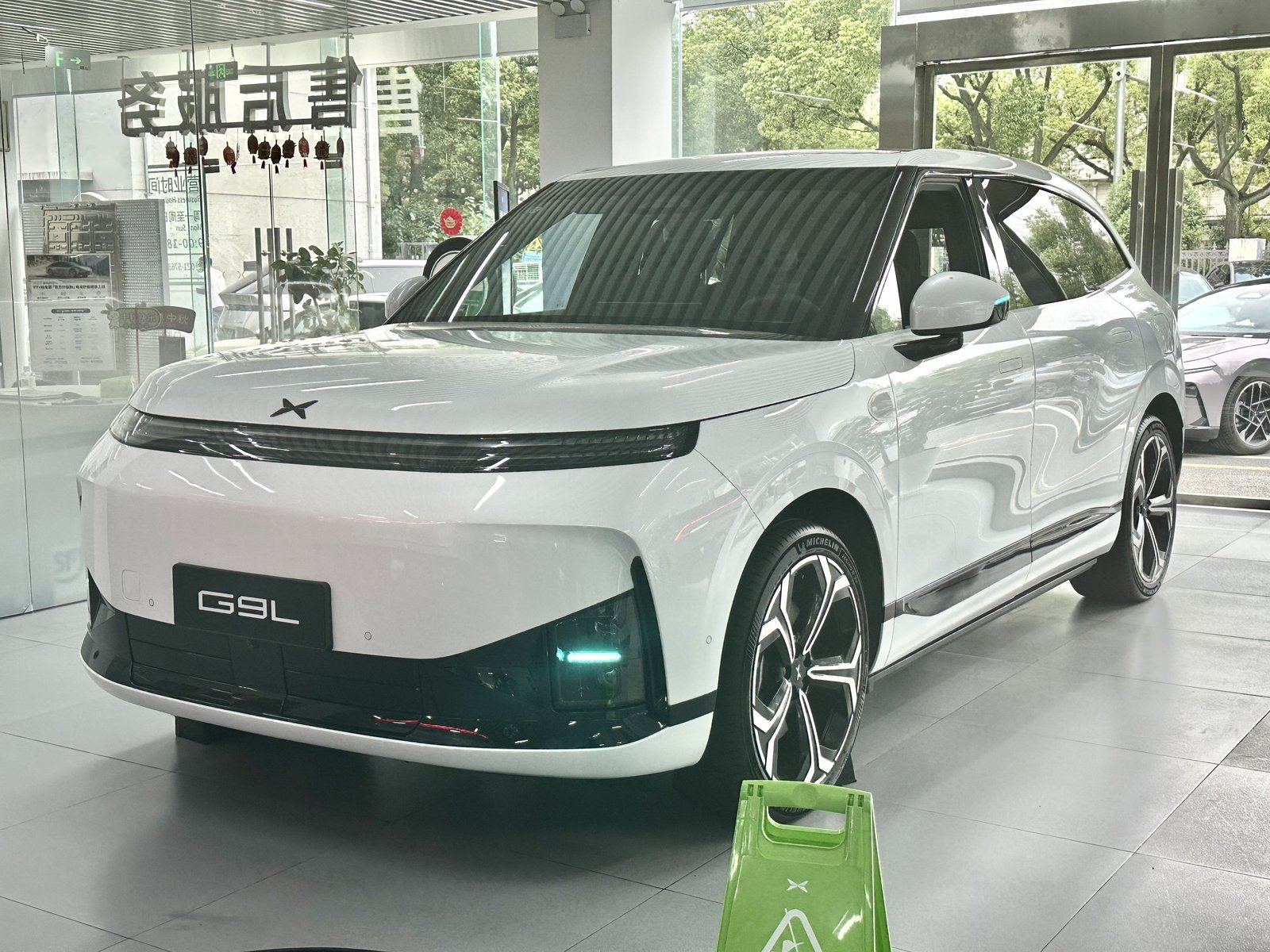
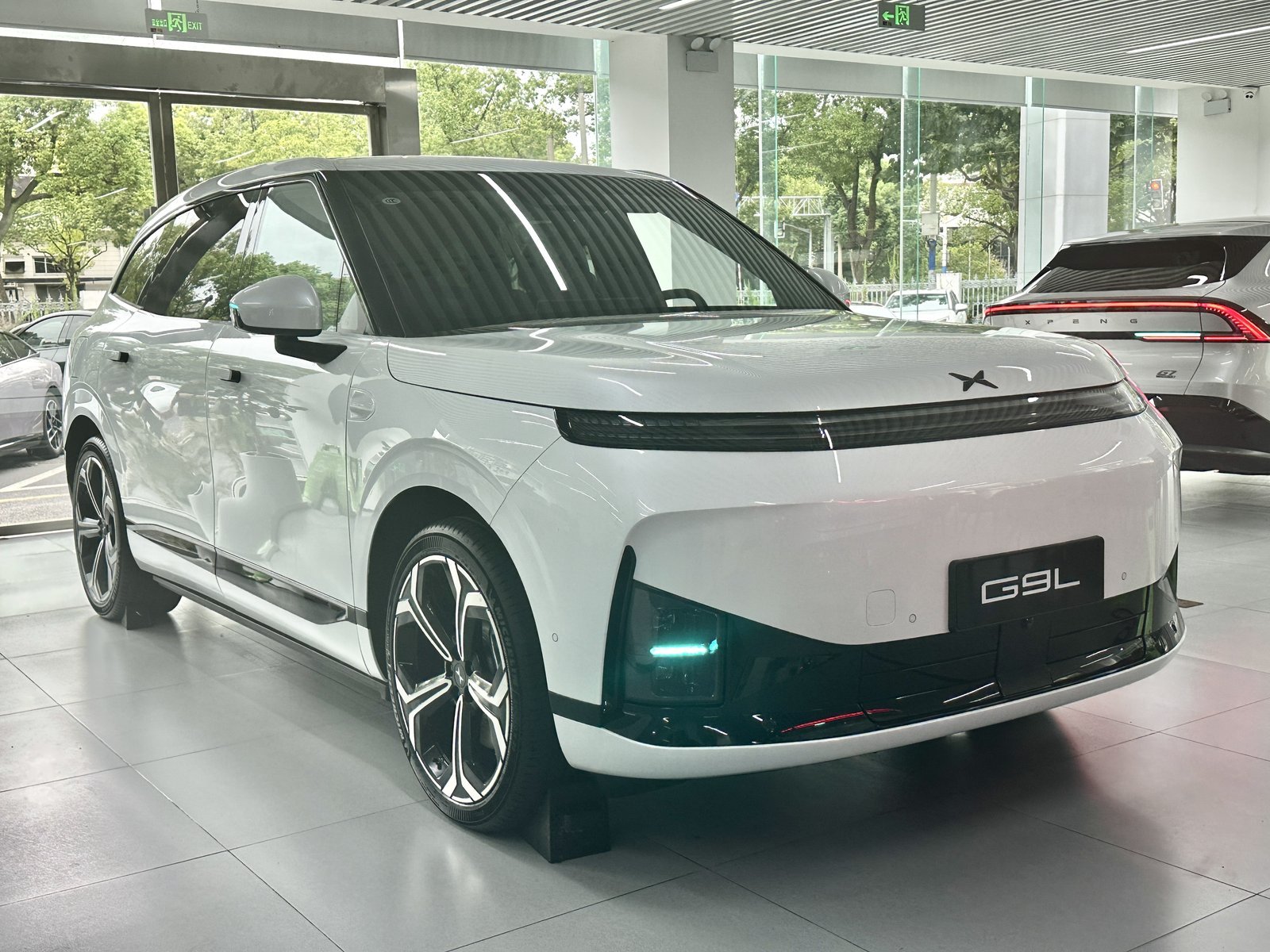
XPeng picked the 2026 Paris Motor Show to make its case to Europe's luxury SUV buyers. On October 12, the Chinese automaker used its Paris stage to launch the G9L in Europe — its new flagship SUV, a six- or seven-seat machine priced from €74,990 in France — and to announce that the car will be built in Europe, not shipped there. First customer deliveries are planned for December 2026, and XPeng opened order books in eight European markets at the show.
That's an aggressive timeline: debut in October, cars in driveways by Christmas. It's also a sign of how the center of gravity in the EV business keeps shifting. Europe's EV sales just posted a record September, and the G9L arrives aimed squarely at the Kia EV9, Volvo EX90, and BMW iX — at prices that undercut all of them.
The headline numbers
The European G9L measures 5.12 meters long with a 3.10-meter wheelbase — properly big, out-stretching the Kia EV9 and Volvo EX90. Electric variants are rated at up to 591 km of WLTP range, and the 800-volt architecture supports 5C fast charging: XPeng claims a 10-to-80-percent charge in as little as 11.7 minutes under optimal conditions with a compatible fast charger. Some European press list a peak charging power of up to 540 kW, though XPeng's own release doesn't pin that figure — the 11.7-minute claim is the company's official number, and even with caveats it's among the fastest charging claims in the segment.
Press reports put the all-wheel-drive version at around 585 metric horsepower with a 0-to-62 mph sprint in about 4.9 seconds — strong for a three-row family SUV, though XPeng's European release didn't publish final power figures. What the company did publish is an equipment list that reads like a luxury sedan's: dual-chamber air suspension, rear-wheel steering with a turning radius of about 5.5 meters, zero-gravity massage seats, a 17.3-inch central screen, and a 21.4-inch dropdown rear entertainment display.
Built in Austria, on purpose
The detail that matters most may not be the specs. The G9L has completed production trials at Magna's factory in Graz, Austria, where it will become the fourth XPeng model manufactured in Europe. Building locally sidesteps the EU's tariffs and anti-subsidy duties on Chinese-built EVs — the tax wall that has complicated every Chinese brand's European math. It also lets XPeng tell European buyers, honestly, that their car was built in Europe.
This isn't a one-off factory deal, either. In Paris, XPeng laid out a broader "In Europe, For Europe" strategy: local manufacturing, an independent European R&D center, and deeper cooperation with European partners extending to powertrains, chassis, and core components. The company says it wants to reach 500,000 annual European sales by 2030 — a target that would require the G9L to be merely the opening act.
The software bet
Alongside the SUV, XPeng introduced its Next Generation Pilot (NGP) driver-assistance system to European audiences, running public test rides on real Parisian roads. The system is powered by the company's VLA 2.0 vision-language-action architecture and its proprietary Turing AI chips, which XPeng says can retain 30 seconds of driving context and predict developments six seconds ahead. In Paris, XPeng put NGP through roundabouts, narrow streets, motorcycle traffic, and pedestrian crossings in front of the press — and joined the show's official Autonomous Lab as one of only two participating automakers.
Driver-assistance demos are cheap; trust is expensive. XPeng is leaning on a validation program it describes in unusual detail: three years of testing across 26 countries and regions, 6.74 million kilometers of road testing, and 192 crash tests. Safety equipment includes nine airbags as standard, automatic emergency braking at speeds up to 150 km/h, and stability control designed to manage the car after a tire blowout. The company says it's engineering the G9L for five-star ratings across Euro NCAP, ANCAP, and C-NCAP — the ratings European family buyers actually check.
The range-extender question
One thing to watch: the G9L also exists as a range-extender, which XPeng calls Super Electric REEV — a 63 kWh LFP battery with up to 287 km of electric WLTP range, plus a 1.5-liter turbo petrol engine that only generates electricity and never drives the wheels, for a claimed 1,200 km of combined range. XPeng has led with the pure electric in its European launch materials, but the REEV option exists for markets where charging infrastructure lags, and it's the same dual-powertrain playbook BYD used to flood export markets. For now, Europe gets the BEV story; the range-extender may follow if demand asks for it.
The question nobody can dodge
Specs and factories don't answer the real question: will European luxury buyers trust a Chinese badge at €75,000? The G9L undercuts the Volvo EX90 and BMW iX by tens of thousands while offering comparable — in some areas better — range and charging. That's the same playbook that took BYD and MG from curiosity to market share in Europe's mainstream segments. The premium segment is harder: badge equity is the product, and it's built over decades, not motor shows.
What XPeng has that earlier waves didn't is local assembly, European R&D, and a charging claim nobody in the price bracket can match. Whether that's enough to crack the executive driveway, we'll start learning in December, when the first Austrian-built G9Ls reach customers.