Battery-electric cars just had their biggest month ever in Germany. In October, Germans registered 94,086 new electric cars, up 79.5 percent from a year earlier, giving EVs a record 37 percent of the whole new-car market. It is the second month in a row that electric cars alone outsold gasoline and diesel cars combined.
The numbers come from the KBA, Germany’s federal motor vehicle authority, which released the October data on November 4. The total market barely moved, up 1.7 percent to 254,492 cars, so the EV growth came straight out of gas and diesel sales. Gasoline registrations fell 40.5 percent. Diesel fell 21.6 percent.
The story behind the numbers is a simple one. Germany started paying people to buy electric cars again, and buyers responded fast. A new grant of up to €6,000, aimed at private buyers, has turned Europe’s biggest car market into its fastest-growing EV market. And it leaves the United States, where EVs took about 6 percent of the market in the third quarter, looking a long way behind.
The numbers, in 30 seconds
If you only need the facts, here they are. Battery electrics took 37 percent of new-car registrations in October, a record. Gasoline took 15.1 percent and diesel 9.4 percent. Add gas and diesel together and you get 62,398 cars, or 24.5 percent of the market. Battery electrics alone beat that by more than 31,000 cars.
| Powertrain | October 2026 | Share | Change vs Oct 2025 |
|---|---|---|---|
| Battery-electric | 94,086 | 37.0% | +79.5% |
| Hybrid | 67,432 | 26.5% | n/a |
| Gasoline | 38,516 | 15.1% | -40.5% |
| Plug-in hybrid | 28,499 | 11.2% | -7.9% |
| Diesel | 23,882 | 9.4% | -21.6% |
New-car registrations in Germany, October 2026. Source: KBA.
Plug-ins of both kinds, battery electrics plus plug-in hybrids, took about 48 percent of the market, or 122,585 cars. Average CO2 emissions from new cars fell 21.1 percent from a year earlier, to 79.4 grams per kilometer. The German car market is now one where nearly half of every new car plugs in, and more than a third runs on batteries alone.
A record month in a record year
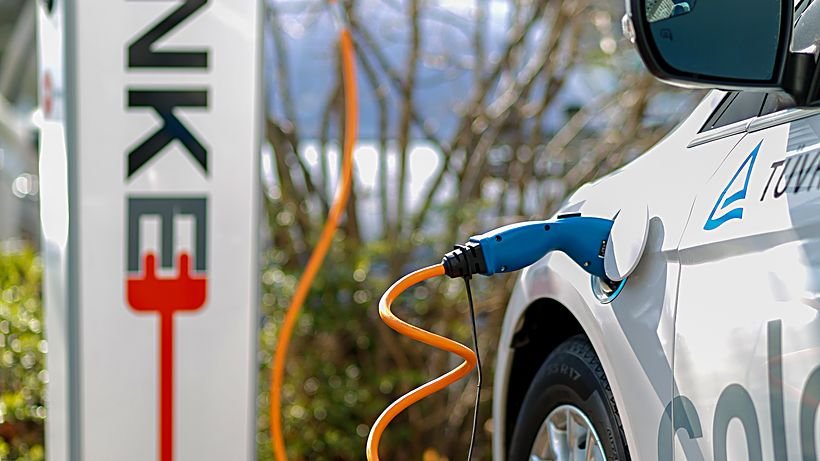
October was not a one-off. It was the next step up in a climb that started in the summer. Battery electrics became Germany’s most popular powertrain for the first time in June, with a 28.4 percent share. They rose to 32.4 percent in August and 34.5 percent in September, then 37 percent in October. In January they were at about 22 percent.
The year-to-date numbers tell the same story. Through the first ten months of 2026, Germany has registered 698,230 battery electrics, up 60.7 percent from the same stretch last year. That is 28.2 percent of the 2,476,290 new cars registered so far this year, up from about 19 percent for all of 2025.
The industry did not see it coming. In December 2025, the VDA, Germany’s auto industry association, forecast about 693,000 battery-electric registrations for the whole of 2026. Germany passed that number in October, with two months of the year still to go. At the current pace, Electrek estimates the year will end at around 875,000 electric cars.
For scale, that year-end pace would put Germany’s EV market close to the entire US EV market’s yearly volume. The US sold 262,649 battery electrics in the third quarter, which works out to about a million a year. Germany has roughly a quarter of America’s population. That math is ours, from the published figures.
The €3,000 check that changed everything
The biggest driver is Germany’s new EV incentive. It pays €3,000 for a new battery-electric car, bought or leased, and up to €6,000 for lower-income households with children. Households with taxable income above €80,000, or €90,000 with children, do not qualify. The money applies to cars registered since January 1, 2026, and applications opened in May.
The program targets private buyers, and the KBA data shows it is working exactly where it was aimed. Private registrations rose 20.6 percent in October, to 103,649 cars, while commercial registrations fell 8.2 percent. Private buyers now make up 40.7 percent of the German market.
Germany has been here before, and the last time it went badly. The government killed its previous EV incentive overnight in December 2023, and battery-electric sales fell off a cliff in 2024. The new program is built differently. The money goes to the buyers who need it most, and it is aimed at private drivers rather than company fleets.
Thomas Peckruhn, president of the ZDK, Germany’s motor trade association, told autohaus.de that the figures show demand keeps growing and the subsidy is giving it an extra push. “The new figures show that demand for electric cars continues to grow and that the state subsidy is providing additional impetus,” he said. “At the same time, fuel prices, which remain high despite the fuel discount, are making the switch to an electric car more attractive for many people.” The quote is translated from German.
Who’s winning in Germany
The boom is not lifting every brand. Volkswagen is still by far the biggest brand in Germany, with an 18.2 percent share, but its registrations fell 4 percent in October. Audi dropped 8.4 percent, Porsche lost 5.7 percent, and Opel fell 24.1 percent. BMW was flat, and Mercedes was the exception among German brands, up 8.5 percent.
The growth is coming from elsewhere. Tesla’s German registrations nearly quadrupled in October, up 290.9 percent to 2,932 cars, though that is still a small base and a 1.2 percent share. Tesla’s numbers swing hard with its quarterly delivery cycle. In September, the end of the quarter, it registered 12,552 cars and the Model Y was the best-selling car in the country.
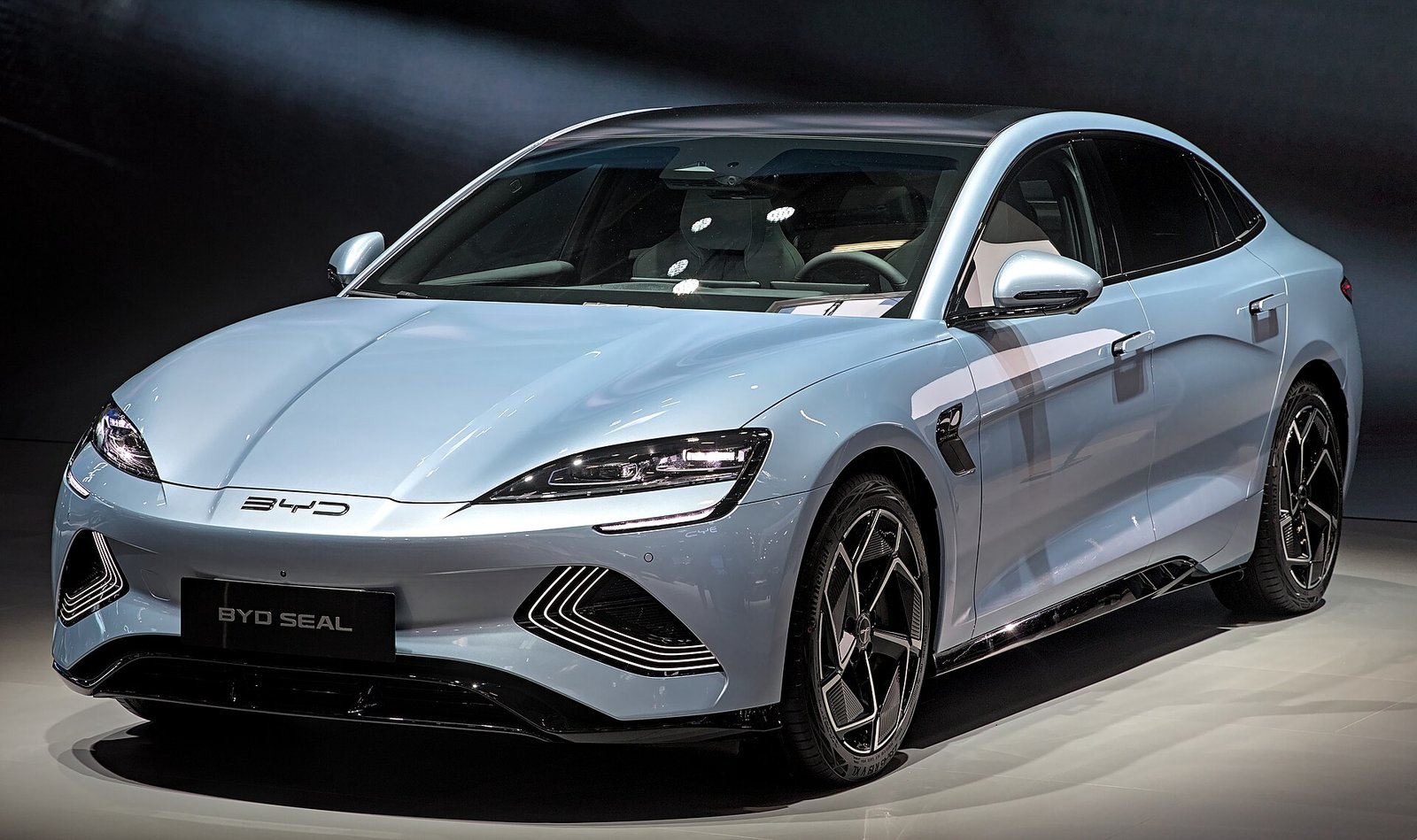
The more telling race is the year-to-date one. BYD has now edged ahead of Tesla in Germany for the year, with 47,961 registrations to Tesla’s 47,742. Both are up more than 200 percent from last year. Most of BYD’s German sales are plug-in hybrids, not pure electrics, but the brand’s rise is real either way. BYD still does not sell passenger cars in the US at all, kept out by tariffs and federal tech rules.
The other Chinese brands are growing even faster. Leapmotor registered 3,661 cars in October, up 288.6 percent. Xpeng was up 284.4 percent to 1,380, and MG rose 48.5 percent to 4,140. Imelda Labbé, president of the VDIK, the association of international carmakers, said about half of all newly registered electric cars in Germany now come from import brands, and international brands grew much faster than the market as a whole.
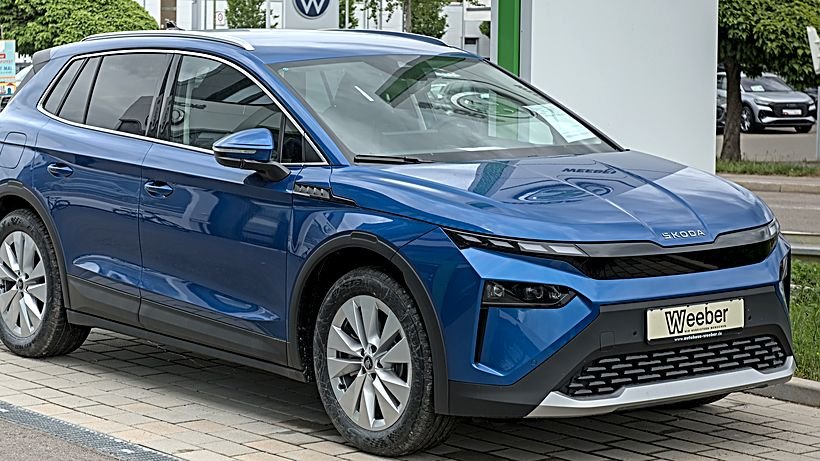
The best-selling electric car in Germany so far this year is the Skoda Elroq, with 30,845 registered through September, ahead of the Tesla Model Y at 29,464 and the Volkswagen ID.3 at 24,352. The Elroq is a compact electric SUV from Skoda, part of the Volkswagen Group, and its lead shows where the German market is heading: affordable, practical electric cars, not luxury flagships.
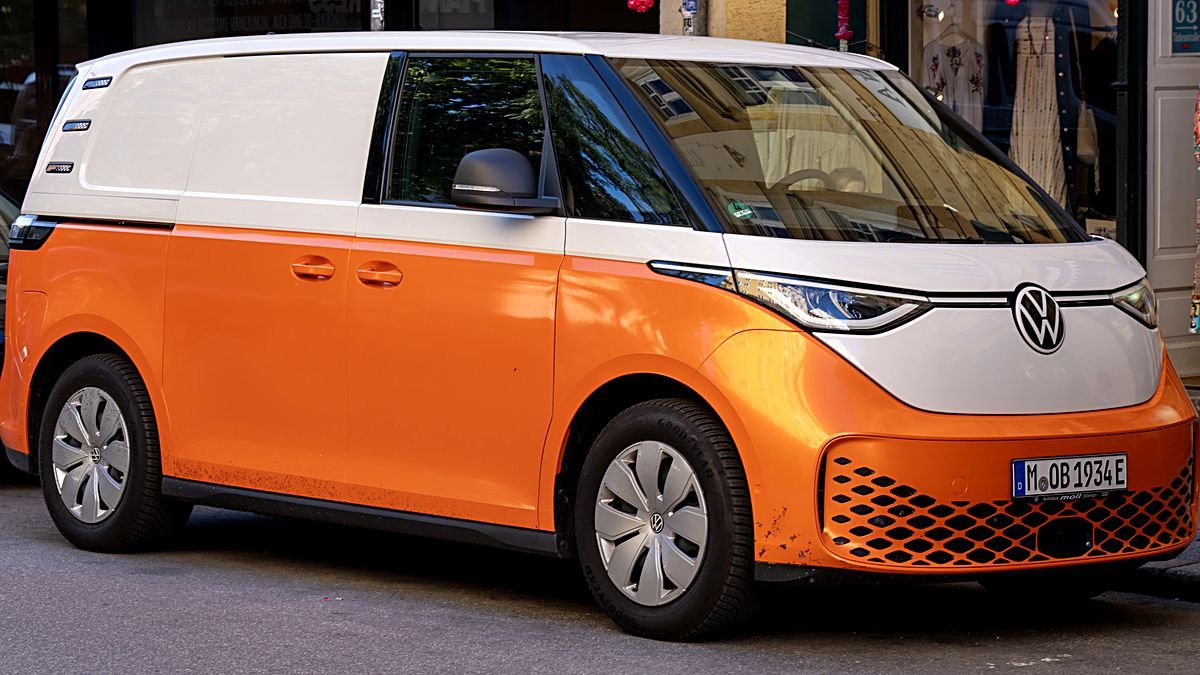
It is a strange moment for Germany’s car industry. The EV boom is happening during one of the worst years in the history of the country’s auto business. Electrek reported that Volkswagen Group posted a €5.9 billion operating loss for the third quarter, and the group has approved a plan to cut 100,000 jobs and close several German plants. Mercedes cut its 2026 car margin guidance to 2 to 3 percent, Electrek reported. The problem is not the product. Electrek reported that VW’s new ID. Polo is sold out with more than 30,000 orders, and BMW has more than 50,000 orders for the new iX3. The cars sell. The margins do not.
What Germany’s 37% means for America
The contrast with the United States is stark. Americans bought 262,649 battery-electric cars in the third quarter of 2026, about 6 percent of the new-car market, according to Cox Automotive’s corrected figures. That was up 6.1 percent from the second quarter but down 39.5 percent from a year earlier. The US market is still working through the end of the $7,500 federal EV tax credit, which expired for vehicles acquired after September 30, 2025.
The German lesson is not subtle. When the US had a $7,500 credit, EV sales boomed. When it ended, sales fell. Germany cut its own incentive in December 2023 and sales slumped in 2024. Germany brought a new incentive back in 2026 and sales jumped 80 percent. The pattern is the same on both sides of the Atlantic. Buyers respond to the price they actually pay, and they respond fast.
Stephanie Valdez Streaty, director of industry insights at Cox Automotive, said the US EV market is “finding its footing again” after the end of the federal tax credit. Germany’s numbers suggest what that footing could look like with help: not a slow climb, but a fast one.
There are limits to the comparison. Germany is a smaller market, its cities are denser, and its drivers travel shorter distances, which makes charging easier. But the core lesson travels well. Give buyers electric cars they can actually afford, and they switch fast. Germany just proved it at a national scale.
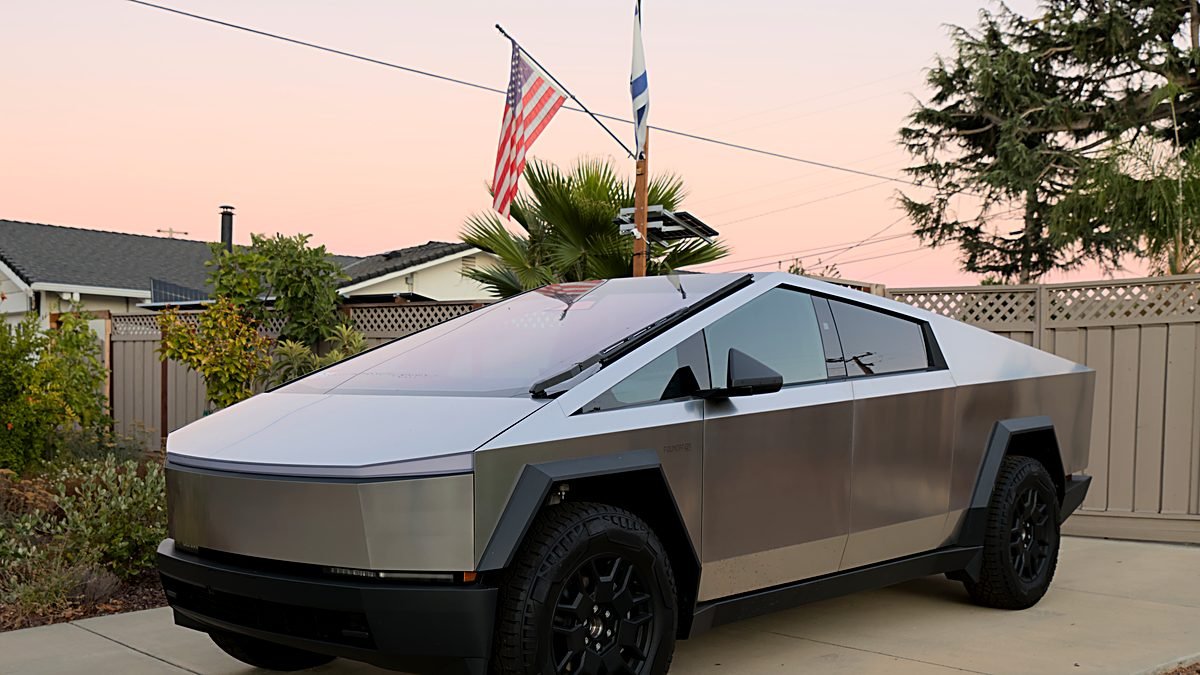
America’s affordable EV options are growing too, led by cars like the Hyundai Ioniq 5 and the returning Chevy Bolt. And the costs do not stop at the sticker price: 41 states now charge EV owners an annual registration surcharge, from $0 in nine states to $270 in New Jersey. Tesla, which still held about 54 percent of the US EV market in the third quarter, is shifting its factory space from cars to robotaxis, as we covered in our look at the end of Cybertruck production.
Can it last?
The open question is whether the boom lasts. The incentive money is not unlimited, and some of October’s sales were almost certainly pulled forward by buyers who wanted the grant before it runs out. Constantin Gall, an automotive expert at EY, said the upswing is driven in large part by the state purchase premium, and warned that demand could slump again once the support ends, just as it did in 2024.
ElekHub reported that the German government has set aside €3 billion for the program through 2029, and €432 million had been paid out by October 1. That leaves plenty of headroom, but the fund is not bottomless, and the rush to claim it is part of what is driving sales now.
The honest answer is that nobody knows yet. The grant has turned Germany into the proof that affordable EVs sell fast. If the money keeps flowing, the 37 percent share could be a floor, not a ceiling. If it stops, Germany has already shown what happens next. Either way, October 2026 is the month the electric car stopped being the future of the German market and became its present.
More on how the EV market is shifting is on our EV news page, and the rest of today’s car news is on the EVThrottle homepage.
Germany EV record questions, answered
What share of Germany’s new-car market did electric cars take in October 2026?
Battery-electric cars took 37.0 percent of new-car registrations in October 2026, a record. Germans registered 94,086 electric cars, up 79.5 percent from a year earlier, according to data from the KBA, Germany’s federal motor vehicle authority.
Did electric cars outsell gas and diesel cars in Germany?
Yes. Battery electrics alone, at 94,086, outsold gasoline and diesel cars combined, at 62,398. It was the second month in a row that happened. Gasoline cars took 15.1 percent of the market and diesel 9.4 percent.
What is Germany’s EV incentive in 2026?
Germany pays €3,000 for a new battery-electric car, bought or leased, and up to €6,000 for lower-income households with children. Households with taxable income above €80,000, or €90,000 with children, do not qualify. The grant applies to cars registered since January 1, 2026.
What is the best-selling electric car in Germany?
The Skoda Elroq leads so far in 2026, with 30,845 registered through September. The Tesla Model Y is second at 29,464, and the Volkswagen ID.3 is third at 24,352.
How does Germany’s EV share compare to the United States?
Germany’s 37 percent in October is about six times the US share. Americans bought 262,649 battery-electric cars in the third quarter of 2026, about 6 percent of the market, after the $7,500 federal tax credit expired on September 30, 2025.
Will Germany’s EV boom last?
It depends on the incentive money. The grant has €3 billion set aside through 2029, but analysts warn some sales were pulled forward by buyers rushing to claim it, and demand slumped in 2024 when the last incentive was cut. The trend should hold while the funds last.