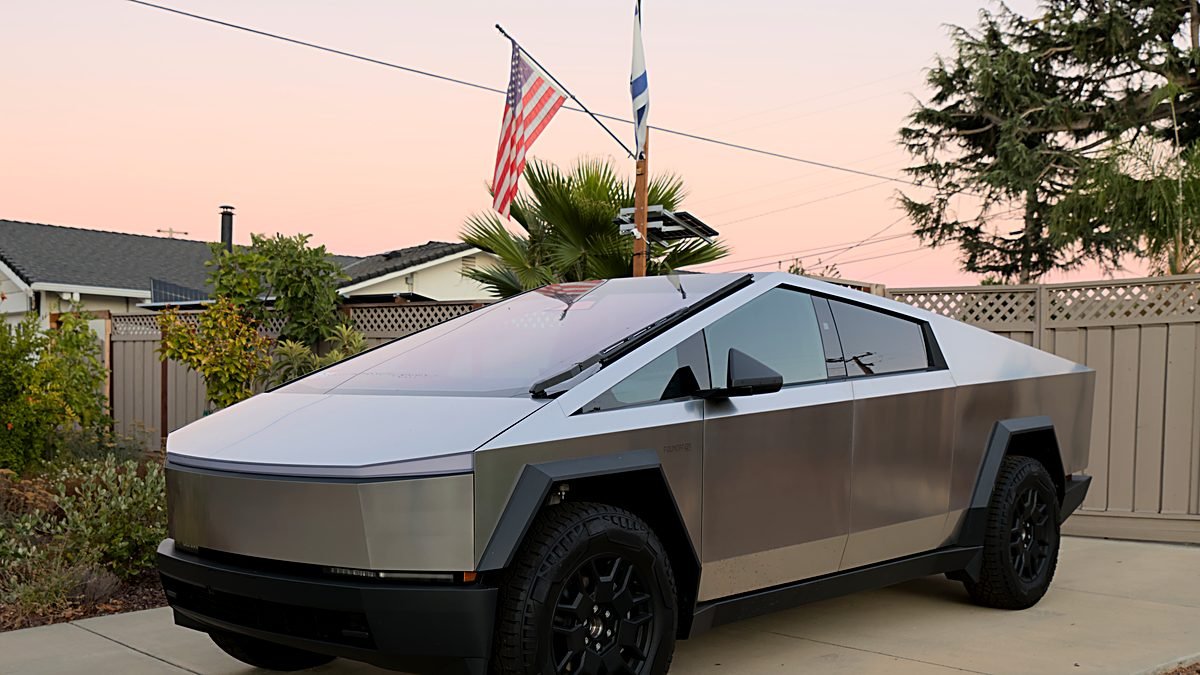
Tesla will wind down Cybertruck production at Gigafactory Texas around the middle of 2027, Elon Musk said on Friday, November 6. The truck that was supposed to sell 250,000 units a year is going away after about three years on sale, and its factory space is going to the Cybercab robotaxi.
Musk announced the move in a post on X: “Tesla will be winding down production of the Cybertruck at Gigafactory Texas around the middle of next year to make room for increased Cybercab production.” In a reply to another user on X, he called the truck the “best vehicle Tesla has ever made” and the decision the “end of an era.”
That is the short version. The longer version is in the sales numbers, in what Tesla has not said yet, and in what happens to the roughly 70,000 trucks already on the road. Here is all of it.
What Musk actually said
The announcement came as a single post on X, not a press release or a filing. Musk wrote that production would wind down “around the middle of next year,” which points to mid-2027, and gave one reason: room for more Cybercab production. Tesla did not immediately respond to a Reuters request for comment.
Cybertruck lead engineer Wes Morrill posted on X the same day: “Cybertruck was an incredible technology development platform and lives on through Cybercab. Thanks to everyone who contributed to making the future looking like the future.” He added a line for owners: “As well to the community of owners whose adventures I’ve enjoyed and will continue to follow.”
What Musk did not say matters as much as what he did. He did not say whether Cybertruck production will move to another plant or end for good. He did not announce a final edition. And he said nothing about parts, service, or support for the trucks already sold. The post says nothing about aftersales support for existing trucks, and Tesla has announced no change there.
There was a warning earlier this year. On Tesla’s January 28 earnings call, Musk told investors the Cybertruck line would shift to autonomy: “We will transition the Cybertruck line to just a fully autonomous vehicle.” He talked about cargo work for it, saying, “There’s obviously a market there for cargo delivery, like say like localized cargo delivery with a city, with a few hundred miles something like that. There’s a lot of cargo that needs to move locally within a city, an autonomous Cybertruck could be very useful for that.” Read today, that call reads like the plan being set out months before the decision.
A move to another plant looks unlikely. The Austin factory is the only Tesla plant set up to build the truck’s specialized parts, according to Reuters, and no replacement production site has been named. The Drive put it plainly: the way Tesla executives are talking, this looks like the end of the line.
The sales numbers behind the call
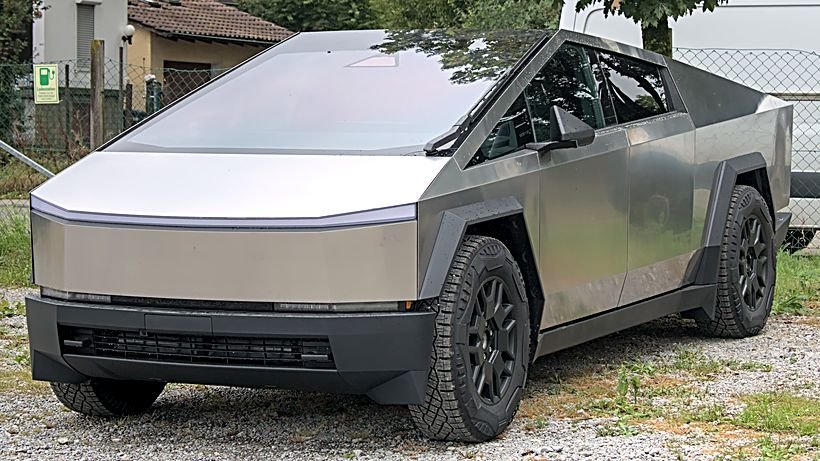
The numbers explain the decision better than any quote. Tesla sold 20,237 Cybertrucks in the United States in 2025, down 48 percent from 38,965 in 2024, according to Kelley Blue Book data cited by Reuters. In the first three months of 2026, it sold 11,586, down from 16,097 in the same stretch last year, a drop of 28 percent, according to Cox Automotive data cited by USA Today.
| Period | US Cybertruck sales | Change |
|---|---|---|
| 2024 | 38,965 | n/a |
| 2025 | 20,237 | Down 48% |
| Q1 2026 | 11,586 | Down 28% vs Q1 2025 |
| Musk’s target | 250,000 a year | n/a |
US Cybertruck sales. Sources: Kelley Blue Book via Reuters (2024, 2025); Cox Automotive via USA Today (Q1 2026).
Put the target next to the reality and the gap is stark. At 20,237 trucks in 2025, the Cybertruck sold about 8 percent of the 250,000 a year Musk once predicted around the start of production. Estimates put total deliveries since launch at roughly 70,000, far short of the original goal. Annualized, the first quarter of 2026 points to a pace of about 46,000 trucks a year, still less than a fifth of the target. That math is ours, from the published figures.
The wider US EV market was shrinking at the same time, which hurt every maker. Americans bought 725,888 electric cars in the first nine months of 2026, down 30 percent from more than 1 million in the same period last year, according to Cox Automotive data released October 12. The drop followed the end of the $7,500 federal EV tax credit. Even so, Tesla still held about 54 percent of the US EV market in the third quarter of 2026, with 144,094 sales, so the Cybertruck’s slide was not just a market problem. It was a Cybertruck problem.
Analysts had already cut their hopes for the truck. Dealroom reported that analysts expected about 22,000 Cybertrucks for the full year, a figure the truck was tracking below. The truck also carried a heavy recall record: Tesla has issued 11 recalls for the Cybertruck since it went on sale in late 2023, according to the National Highway Traffic Safety Administration, with some fixed by software updates and others needing shop visits.
One more number says a lot about demand. SpaceX, Musk’s rocket company, was one of the Cybertruck’s biggest buyers last year, buying trucks worth $131 million from Tesla in 2025 at list price, according to its IPO filing cited by Reuters. When a sister company is one of your best customers, the retail market is thin.
Why the Cybercab gets the factory
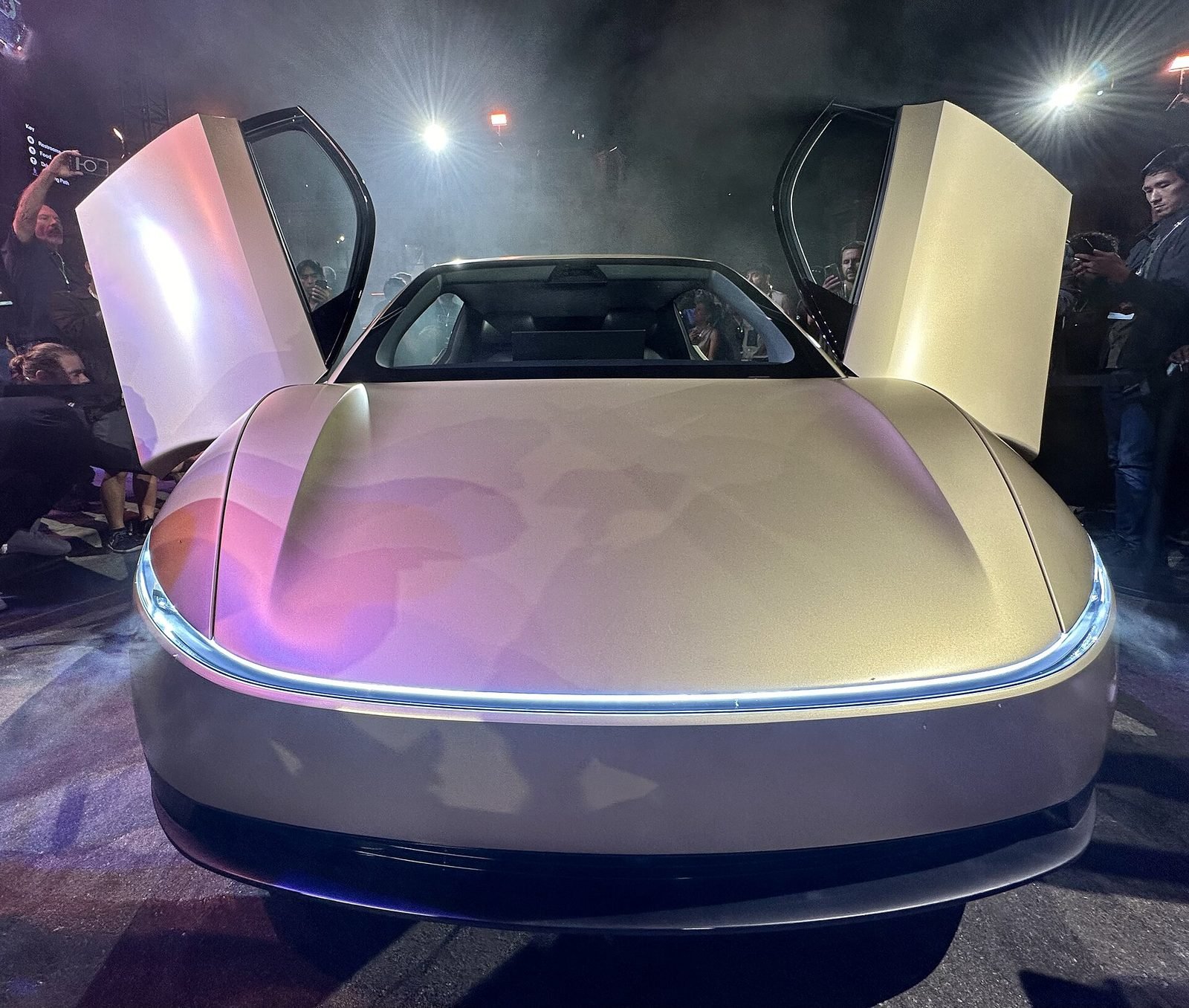
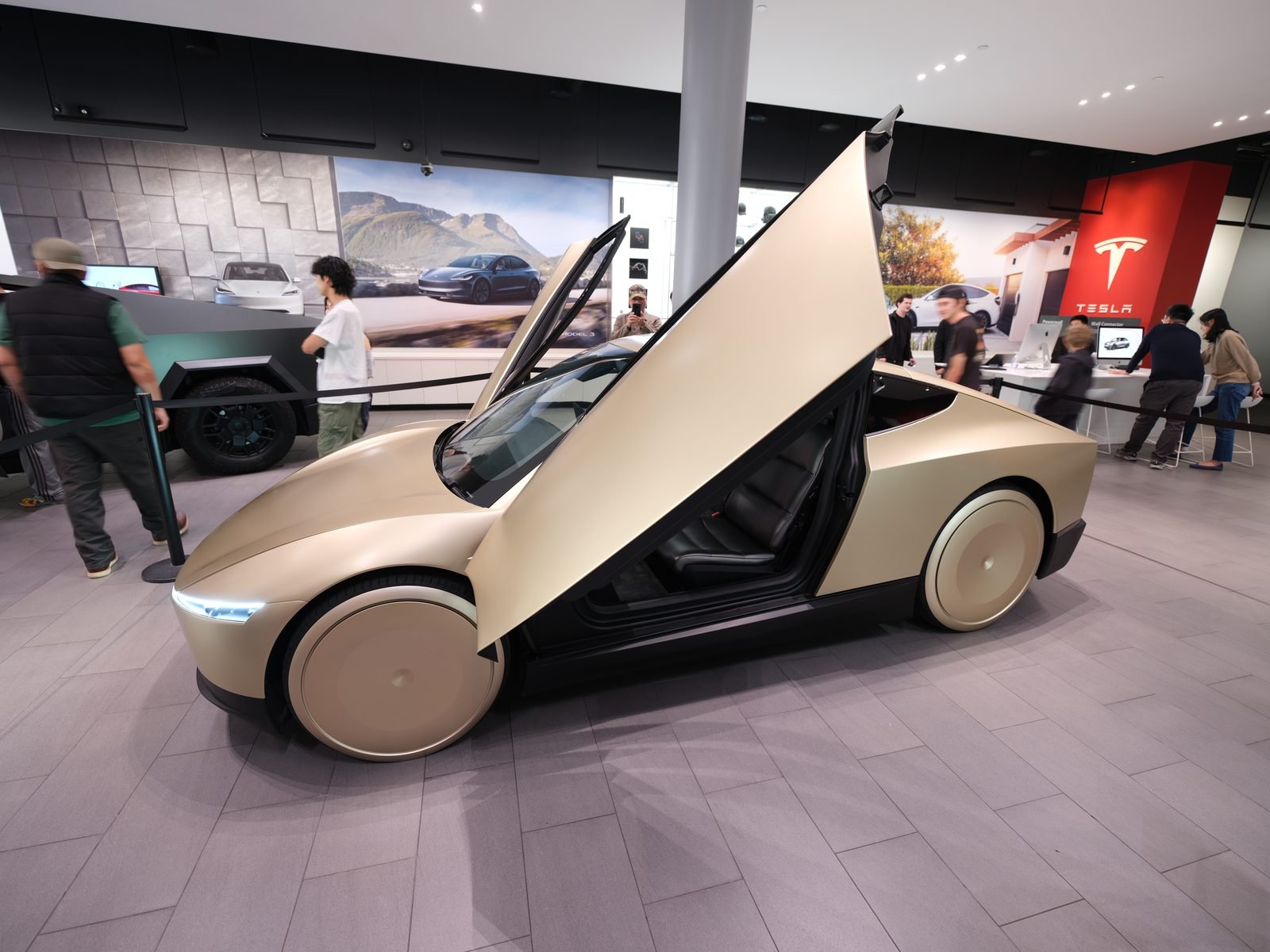
The Cybercab is the vehicle taking the Cybertruck’s place on the factory floor. It is a two-seat robotaxi with butterfly doors and no steering wheel, pedals, or mirrors, built for Tesla’s robotaxi network. Documents Tesla filed with the US Environmental Protection Agency in May show it will weigh 3,113 pounds, carry a 48 kWh battery with about 418 miles of charge-depleting range, and make 219 horsepower with all-wheel drive.
Tesla has already started building it at Gigafactory Texas, according to the company’s Q2 2026 update, and the robotaxi network is running. Tesla began offering paid rides in a small fleet of Cybercabs in Austin in September. About 570 of the more than 1,200 Tesla robotaxis operating in Texas are Cybercabs, with the rest mostly Model Ys, according to the Texas Department of Motor Vehicles. Tesla lists installed capacity for the Cybercab at more than 125,000 units.
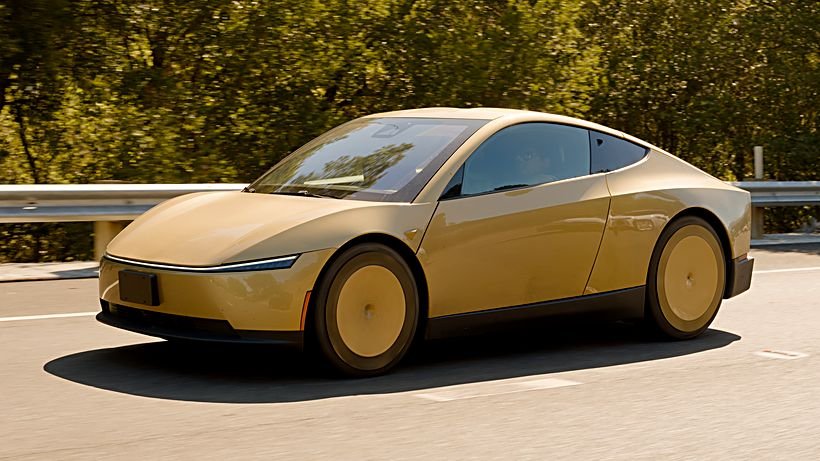
Musk has big plans for the network. He told investors in April that Tesla plans to expand its Robotaxi service to a “dozen or so states” by the end of the year, and Tesla said at its latest earnings that it aims to deliver Cybercabs to customers by the end of 2026. The Cybercab is central to Musk’s push to turn Tesla from a carmaker into an AI and robotics company, and it is the vehicle he sees supplying a global robotaxi network.
There are open questions. The National Highway Traffic Safety Administration opened an audit in September to review whether Tesla properly self-certified the Cybercab to show it meets federal safety standards. And the Cybercab is still a small program, with production only beginning this year. Reuters notes it is unlikely to make up for lost Cybertruck volumes soon. The factory space is being handed over on a bet, not on proven volume.
What it means if you own a Cybertruck
If you own one of the roughly 70,000 Cybertrucks on the road, the first thing to know is what has not changed. Tesla has announced no change to parts or service for existing trucks. Ending production does not end your warranty, which runs to the terms in your paperwork. What owners need now is a clear statement from Tesla on parts and service, and so far there is none.
Check your recalls. With 11 recalls issued since late 2023, it is worth checking whether your truck has an open one. You can look up your VIN at nhtsa.gov/recalls. Some recalls were fixed with an over-the-air software update, while others needed a visit to a service center.
Resale is the honest unknown. The wider used EV market is strong right now: used EVs averaged 41.9 days on the market in September 2026 against 54.8 days for gas cars, and averaged $32,533, according to iSeeCars data in our look at used Tesla prices. But the Cybertruck is a special case. Low production and a famous shape could help values, since no more will be built after mid-2027. The orphan tag could hurt them, since buyers may worry about parts and support. Nobody can tell you today what your truck will be worth in a year, and anyone who claims to know is guessing.
If you are thinking of buying one, production runs into mid-2027, so trucks will keep reaching buyers until the wind-down. Tesla has announced no final edition and no sales cutoff. Do not overpay for “last one ever” hype from a dealer. The truck will be on sale for months yet, and its history says the market, not the badge, will set the price.
There is a recent example of how a wind-down should work. Ford ended the F-150 Lightning and said it would supply parts for at least 10 years from the final model year and keep sending software updates, according to Ford Authority. Our look at Lightning battery replacement costs shows why that promise matters: out-of-warranty EV repairs can run into five figures. Tesla owners should expect Tesla to say the same, and should hold Tesla to it.
Why the truck never took off
The design was the first problem. The sharp-edged stainless steel body that made the truck famous also boxed it in. It could only be sold in a handful of markets, because approval in Europe was impossible under rules on pedestrian impact. Former Aston Martin CEO Andy Palmer put it bluntly to Reuters: “Anywhere where you have crash regulation that takes into account pedestrian impact, that Cybertruck won’t go, can’t go.”
The second problem was the segment itself. Electric pickups have struggled across the board in the US. Automotive analyst Felipe Munoz told Reuters that Ford’s electric pickups flopped too, saying, “All of them lost the competition because electric pick ups aren’t popular in the US.” Ford ended the Lightning, and the Cybertruck never found the truck buyers Musk promised it would win over.
Politics played a part as well. A November 2025 Yale University study estimated Tesla sold 1 million to 1.26 million fewer vehicles between October 2022 and April 2025 than it otherwise would have, because of what the authors called the “Musk partisan effect,” while rival makers’ electric and hybrid sales rose 17 to 22 percent. A poll released in January by EVs for All America found 44 percent of people seriously considering an EV had a mostly unfavorable opinion of Musk. The Cybertruck launched at the height of the 2024 presidential campaign, when Musk vocally backed Donald Trump, and the truck became a symbol of that alignment for many shoppers.
Price did not help. The truck’s pricing changed considerably from what was first announced, and the Cybertruck that reached buyers was a far more expensive vehicle than the one Musk first showed in 2019. Outside the US, the story ended even earlier. Tesla told Australian and New Zealand reservation holders on October 23, 2026 that plans to build the truck for those markets were discontinued, cancelling reservations with a full refund and offering a free year of Full Self-Driving on a new Model 3 or Model Y. The truck never officially went on sale in either country.
Palmer’s verdict on the decision was blunt: “It doesn’t make sense to keep it going when it’s not meeting its targets. Every rational auto guy would say the same.” He added, “It will no doubt only be a rounding error on Tesla’s balance sheet, but the statistics speak for themselves.”
What comes next for Tesla
The Cybertruck is not the only Tesla being wound down. Tesla ended Model S and Model X production earlier this year. On the January 28 earnings call, Musk said it was time to bring those programs to an end with an “honorable discharge,” and custom orders ended on April 1, 2026. The company’s Q2 2026 update says the Model S and X lines at the Fremont factory have been decommissioned, with first-generation Optimus robot lines going in their place.
The pattern is clear. Musk is moving Tesla’s focus and its factory space toward the Cybercab, the Semi truck, whose mass production began in April, and the Optimus humanoid robot. Tesla and SpaceX are also exploring a merger Musk called “a good idea.” The company that once sold itself on cars is betting its future on autonomy and robotics.
The open question is whether the bet pays off fast enough. The Cybercab is a small program today, and the robotaxi network is still proving itself in a handful of cities. The Cybertruck, for all its faults, was a real product with real buyers and real revenue. In about a year and a half, it will be a used car only. What it becomes after that, a cult classic or a cautionary tale, depends on what Tesla does next, and on whether the Cybercab earns the factory space it just took.
Cybertruck production questions, answered
Is the Cybertruck discontinued?
Not yet. Tesla will wind down production around mid-2027, but Musk has not said whether the truck moves to another plant or ends for good. No new Cybertrucks will be built in Texas after the wind-down.
When will Tesla stop making the Cybertruck?
Around the middle of 2027, at Gigafactory Texas in Austin. Musk announced the timing in a post on X on November 6, 2026.
Will Tesla still service my Cybertruck?
Tesla has announced no change to parts or service for existing trucks. Your warranty runs to the terms in your paperwork. Check for open recalls on your VIN at nhtsa.gov/recalls.
What is replacing the Cybertruck?
The Cybercab, Tesla’s two-seat robotaxi with butterfly doors and no steering wheel, pedals, or mirrors. It is already in paid service in Austin, and its production is taking the Cybertruck’s factory space.
Why did Cybertruck sales fall?
Tesla sold 20,237 Cybertrucks in the US in 2025, down 48 percent from 38,965 in 2024, and 11,586 in the first three months of 2026, down 28 percent on the year before. The truck also had 11 recalls and never came close to Musk’s 250,000-a-year target.
Can I still buy a Cybertruck?
For now, yes. Production continues into mid-2027, and Tesla has announced no final edition or sales cutoff. Trucks will keep reaching buyers until the wind-down.
The Cybertruck was the most recognizable EV on American roads. In about a year and a half, it will be a used car only. Its three years on sale tell a simple story: a bold design is not enough, a truck has to sell, and when it does not, the factory moves on. The Cybercab has the space now. What it does with it is the next story.