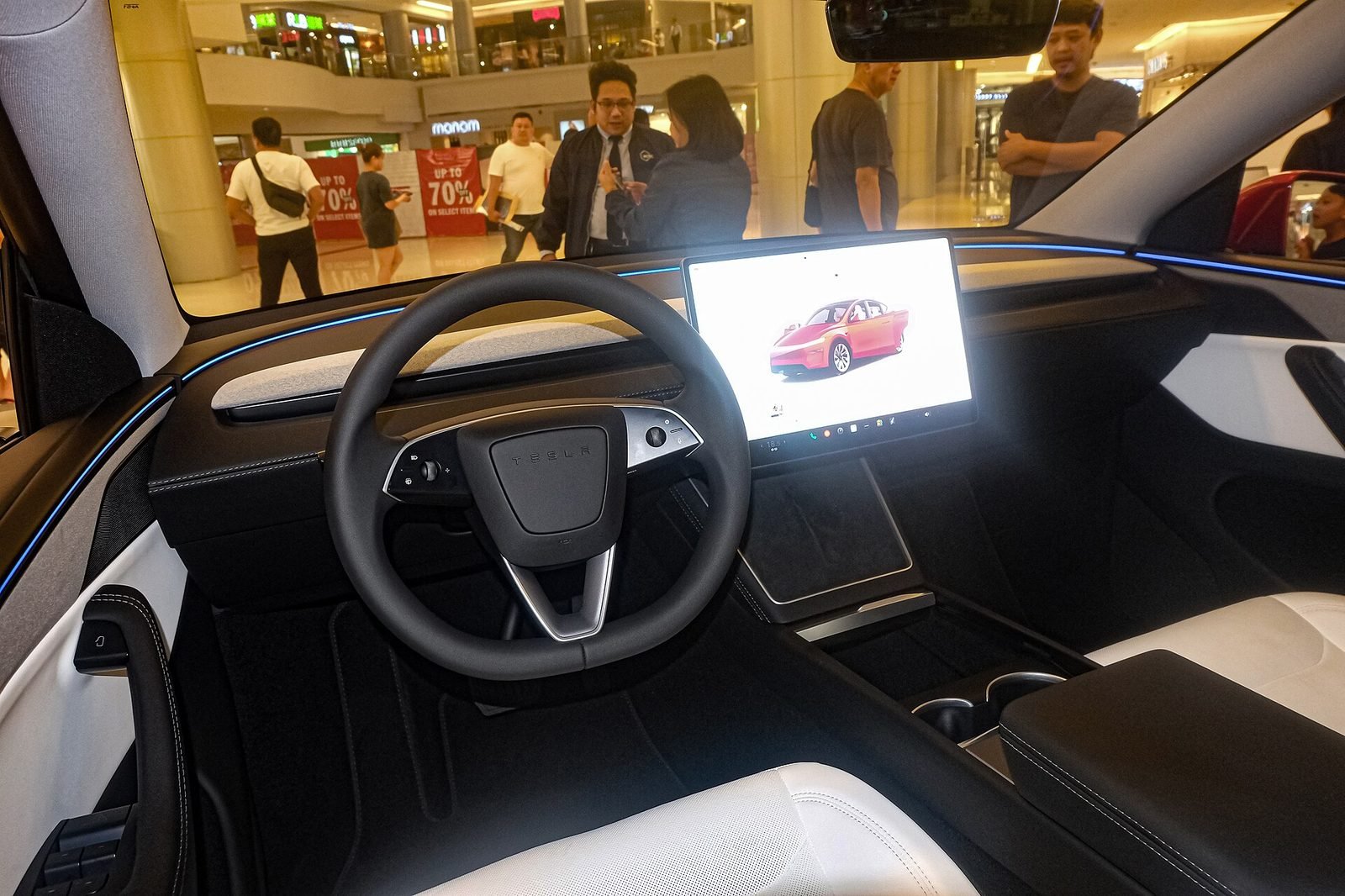
Tesla's robotaxi program keeps losing the people who built it. Jody Kerns, Tesla's Senior Manager of Cybercab General Assembly at Gigafactory Texas, is leaving the company to become Rivian's Director of General Assembly for the R2 in Normal, Illinois, Electrek reports. He's the second Cybercab launch leader to walk out the door this year — and his timing, weeks after commercial Cybercab rides began in Austin, says a lot about where the talent war between these two companies is headed.
Kerns announced the move in a LinkedIn post this week, thanking his Tesla team for everything “from the WEOL project to the launch of the Cyber Cab.” His profile tells the story of a manufacturing lifer: he joined Tesla in January 2024 as an end-of-line manager, then took over Cybercab general assembly in February 2026 — the same month Tesla rolled its first steering-wheel-less Cybercab off the line. He ran final assembly through the entire ramp, from that first build all the way to paid commercial service.
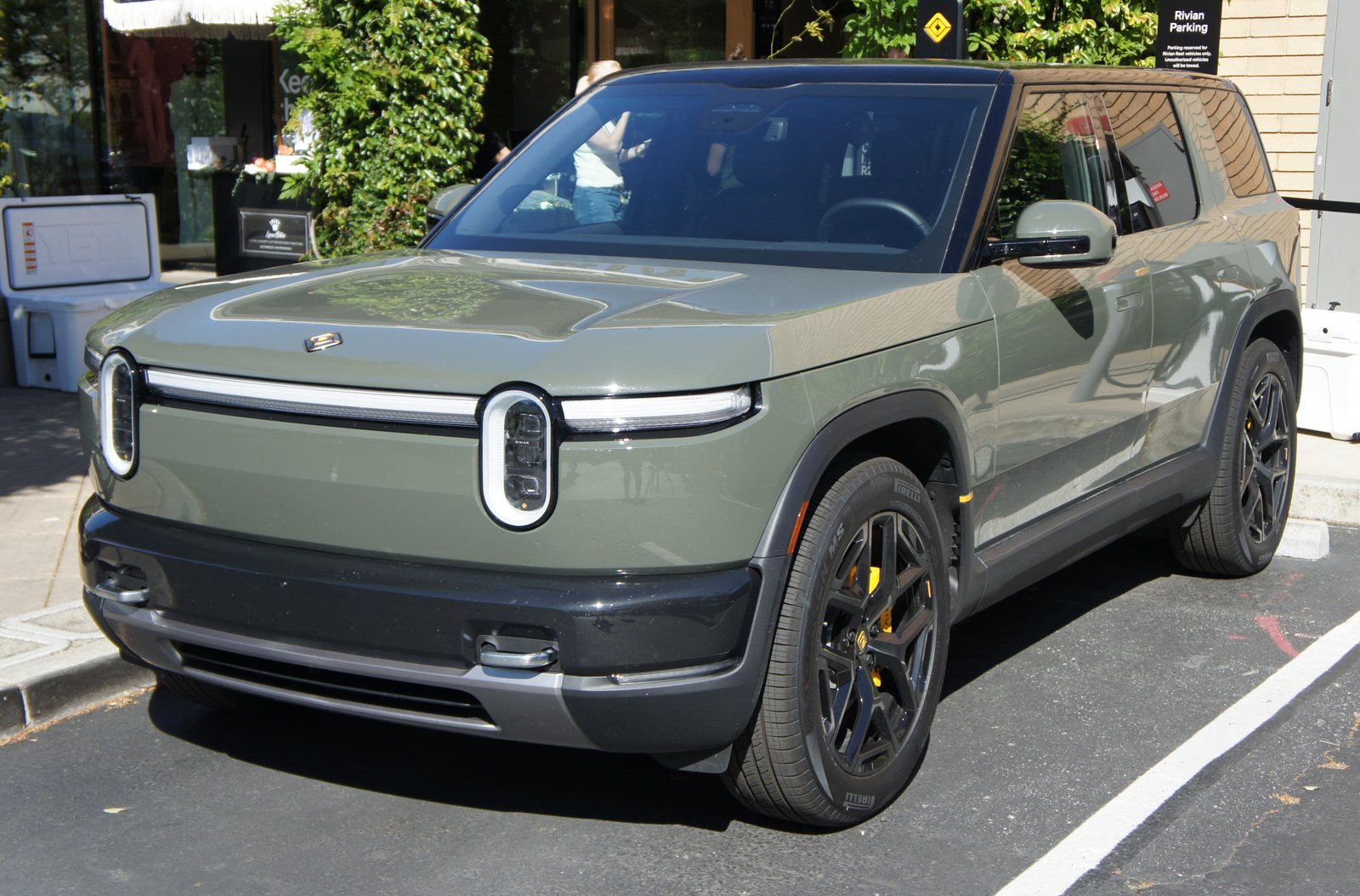
At Rivian, he'll do essentially the same job on the R2. His stated goal: make the R2 “the best electric SUV in the market.”
Why Rivian wanted him badly
Kerns isn't some Silicon Valley transplant learning manufacturing on the fly. Before Tesla, he spent 14 years at Volkswagen of America, ending as Director of Assembly from 2021 to 2024, where he managed roughly 1,200 people and slotted the ID.4 into VW's Chattanooga line — a plant already building two other models. Before that, he spent four years in Toyota's paint shops. He's done both of the hard things Rivian is about to attempt: inserting a new EV into a running factory, and launching a brand-new vehicle from scratch.
And the R2 ramp is the single most important manufacturing program in the American EV industry right now. R2 deliveries started June 9 from Normal; Rivian built 19,751 vehicles in Q3 and is holding 2026 delivery guidance at 65,000 to 70,000. The company has raised $1.5 billion partly to de-risk exactly this ramp. And the money keeps moving in Rivian's direction: this week the Volkswagen Group also finalized a $1 billion loan to Rivian, per MarkLines, deepening the partnership behind Rivian's next-generation electronics architecture. Between that, the raise, and a record Q3, Rivian is spending like a company that knows exactly what the next eighteen months are worth. Hiring the guy who just took Tesla's weirdest vehicle from zero to commercial production is about as direct a signal as Rivian could send about how seriously it takes the next twelve months.
The second Cybercab leader out the door
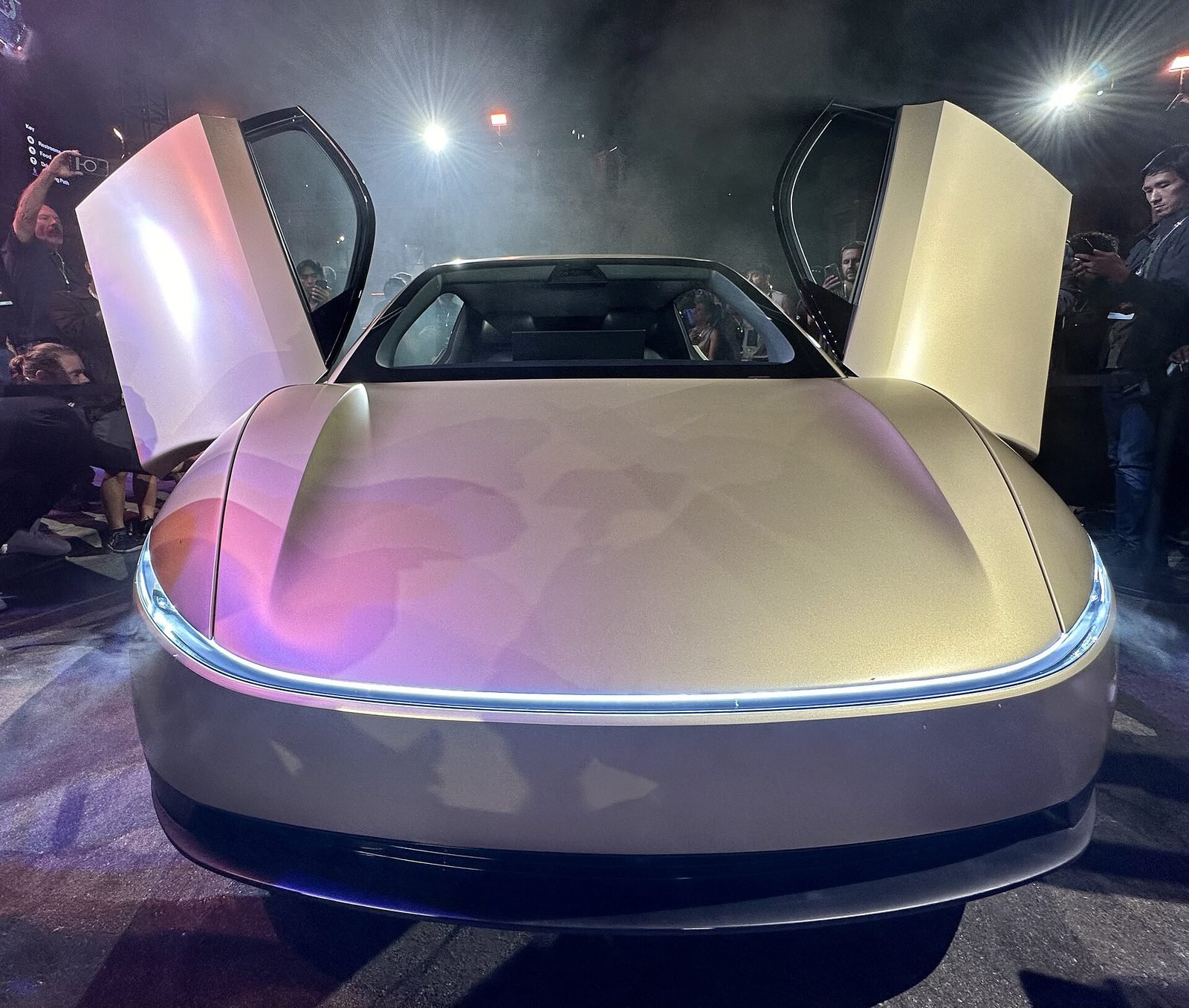
Kerns' exit follows an earlier, arguably bigger departure. Michael So was Tesla's Head of Cybercab new product introduction from September 2024 to April 2026 — and Giga Texas employee #1 back in 2021, who helped launch the Model Y and Cybertruck there. He lists the Cybercab's “unboxed” manufacturing process, brake-by-wire system, and butterfly doors among the things he launched. In May he left to become VP of Product Engineering at Aalo Atomics, an Austin nuclear-reactor startup. Under Kerns' farewell post, So wrote that he “wouldn't want to launch Cybercab with anyone else.”
Two launch leaders gone in six months. The Cybercab's brain trust is scattering to a reactor startup and a direct competitor, respectively.
Tesla's rough robotaxi autumn
The timing isn't great for Tesla. Commercial Cybercab rides started in Austin on September 3 — and a week later, NHTSA hit Tesla with a Special Order demanding proof, under oath, that a car with no steering wheel or brake pedal actually meets federal safety standards. The agency now estimates Tesla's entire 2026 robotaxi fleet — Model Ys and Cybercabs combined — at about 1,000 vehicles. That's a pilot program, not a revolution, and the two people who know the most about how the Cybercab gets built just left.
None of this means the Cybercab is doomed. Tesla has built more EVs than anyone on the planet and still moves over half of America's electric cars — the Model Y outsold the next 24 EVs combined through Q3. But manufacturing leadership is not interchangeable, and the Cybercab is the strangest production vehicle Tesla has ever attempted: no steering wheel, no pedals, butterfly doors, an unboxed assembly process. Losing the person who ran that line is a real hit.
The bigger picture
Step back and the pattern is clear: the fight between Tesla and Rivian has moved from press releases to poaching. Rivian needs manufacturing veterans who've launched high-volume programs, and Tesla's bench is the deepest in the business. Tesla, meanwhile, keeps bleeding the people who know its most secretive vehicle best.
For Rivian, this is the good kind of problem. The R2 is the car that decides whether the company becomes America's third major automaker or a very cool footnote. Electrek also reports its point-to-point driving autonomy feature is rolling out first to invite-only testers under NDA, its delivery vans are selling in record numbers, and its R2, R3, and R3X reveal remains one of the most-watched EV debuts on YouTube — and now it has Tesla's Cybercab assembly chief running its most important factory. If you're waiting on an R2 — or watching to see who wins the robotaxi race — the next two quarters just got a lot more interesting. Rivian's bet is that the people who built Tesla's future can build its own.