A used EV now sells in 41.9 days on average, nearly 13 days faster than a gas car at 54.8 days, according to iSeeCars data from September 2026. Teslas break the pattern: the Model S is up 22.5% in a year to $57,862, the Model X is up 18% and the Model 3 is up 15.4%, yet no Tesla appears among the ten fastest-selling used EVs. That is why used Tesla prices are rising but selling slower: buyers want smaller, cheaper electric crossovers, and Tesla’s lineup is neither small nor cheap.
The numbers come from iSeeCars, which tracked more than 1.5 million one- to five-year-old used vehicles sold in September 2025 and September 2026. The study covers the whole US used market, and the flip it shows is sharp. A year ago, gas cars still sold a touch faster than EVs. In September 2026, EVs sell nearly two weeks faster.
Why are used EVs selling faster than gas cars
The short answer is fuel prices and a market that has settled after the end of federal EV incentives. Regular gasoline averaged $4.33 a gallon in September, the highest September average on record, according to AAA. iSeeCars executive analyst Karl Brauer ties the shift to seven months of high fuel prices and to the EV market finding its feet after the demand slump that followed the loss of federal incentives a year ago.
Autoblog’s read of the same study lands in the same place: electric cars are moving nearly two weeks sooner than gas cars, and the shift is showing up in prices too. TopSpeed’s November 5 report reaches the same conclusion, that small crossovers are doing the work, not Tesla.
| Drivetrain | Days to sell | Average price |
|---|---|---|
| Electric | 41.9 | $32,533 |
| Hybrid | 48.6 | $34,476 |
| Gasoline | 54.8 | $31,954 |
Average days on market and average price for one- to five-year-old used vehicles, September 2026. Source: iSeeCars.
The change is sharp in percentage terms too: EV selling times fell 10.1% in a year, while gas car times rose 19.9%.
The price story flipped too. A year ago, a used EV cost $2,227 less than a gas car on average. In September 2026, it cost $579 more. Hybrids are still the priciest group at $34,476 on average, but they sell slower than EVs at 48.6 days.
The 13.8-day swing, calculated
Here is a number none of the coverage worked out. In September 2025, gas cars were 0.9 days faster than EVs: 45.7 days against 46.6. In September 2026, EVs are 12.9 days faster: 41.9 days against 54.8. Add the two together and the market swung 13.8 days toward electric in twelve months. The price gap swung $2,806 in the same span, from a $2,227 EV discount to a $579 EV premium. Both figures come straight from iSeeCars data. The arithmetic is ours.
Why used Tesla prices are rising but selling slower
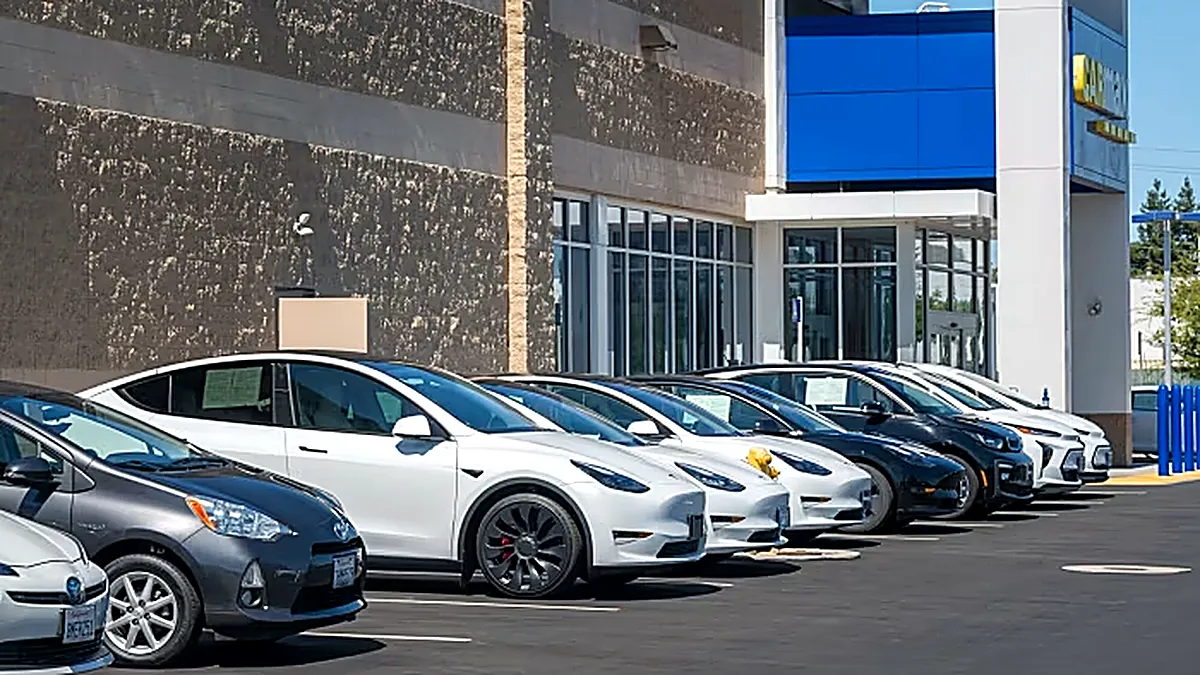
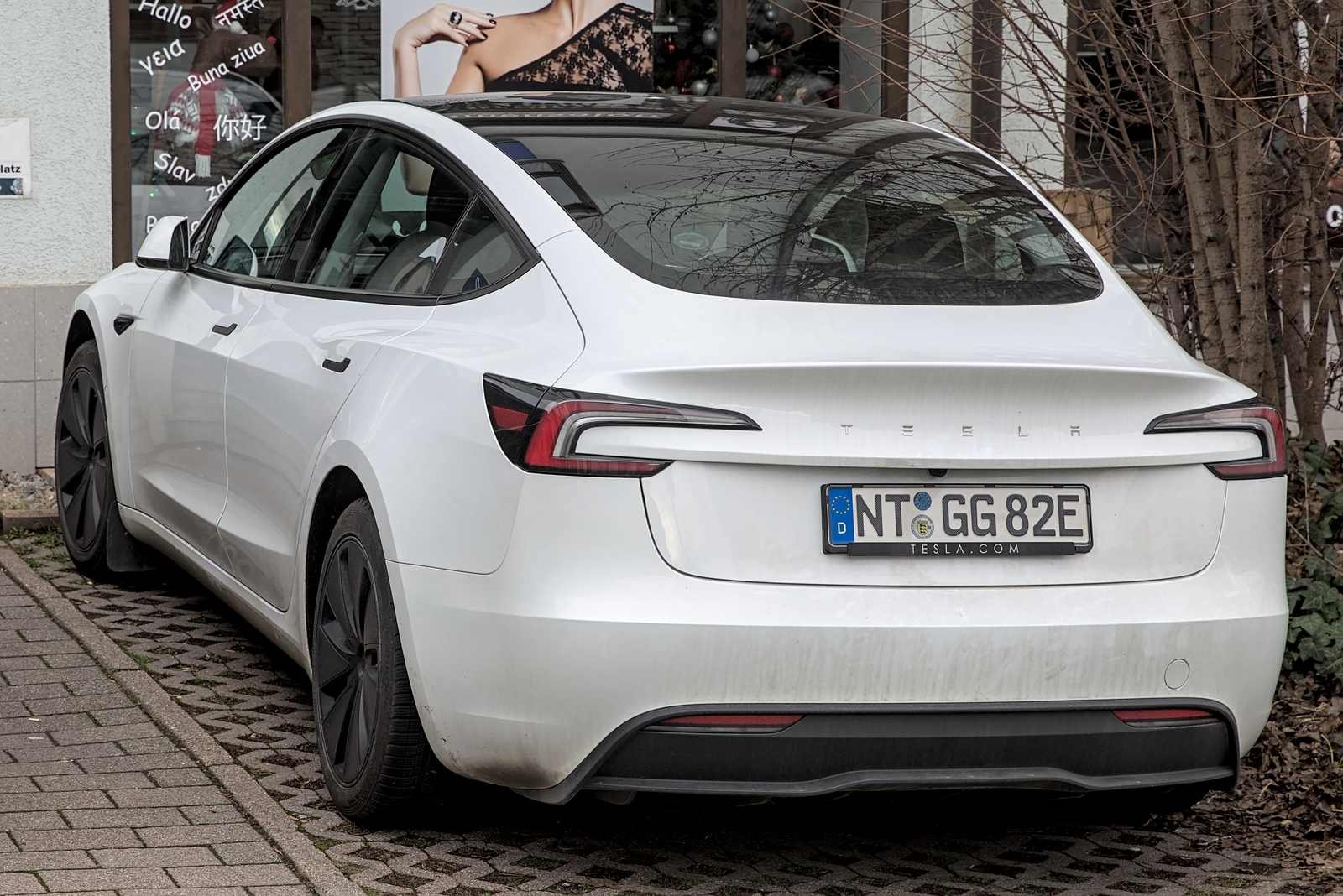
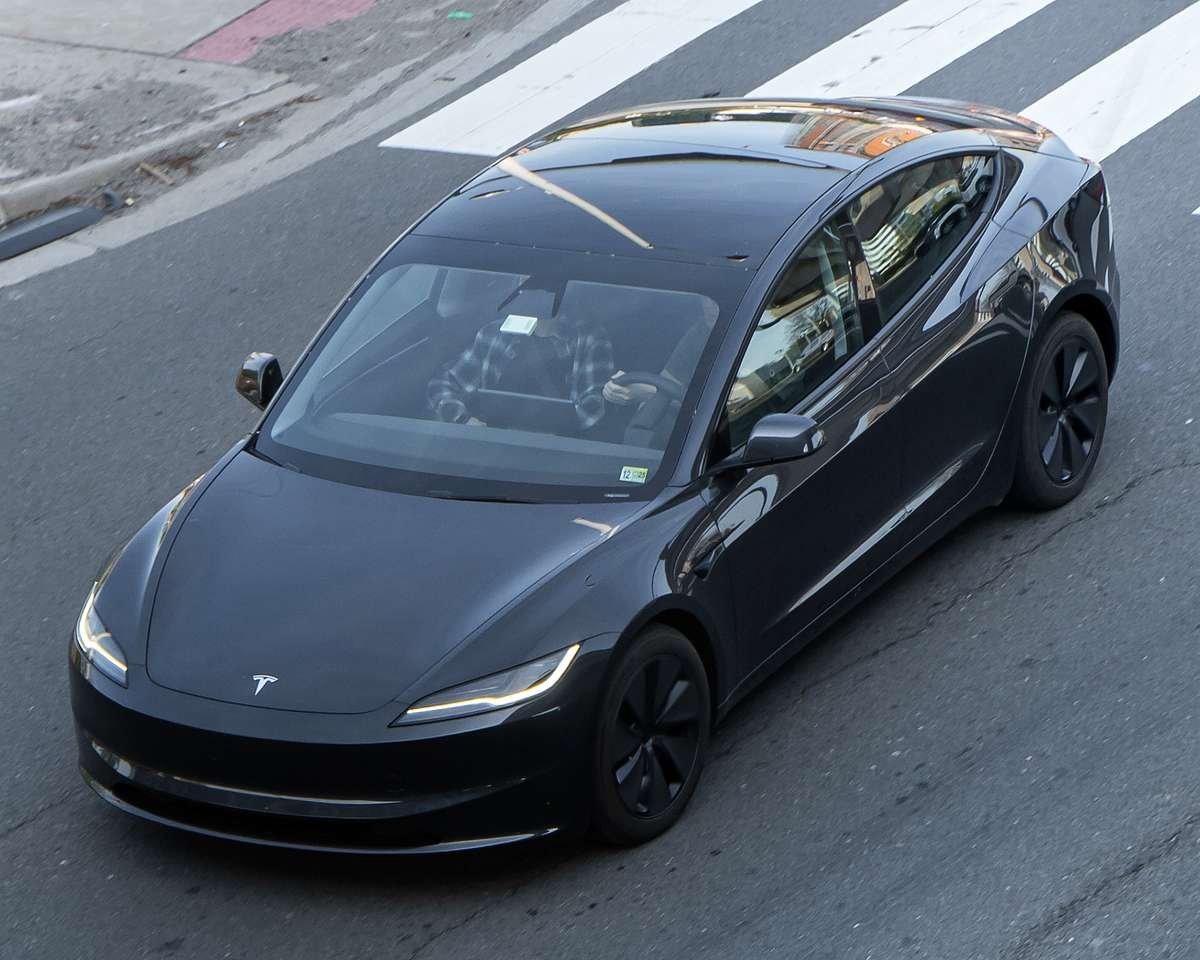
Tesla is the odd case in this study. Three of its models posted some of the largest price gains of any used vehicle. The Model S rose 22.5% in a year to $57,862, a gain of $10,636. The Model X rose 18% to $61,309, up $9,336. The Model 3 rose 15.4% to $28,931, up $3,870. Only the BMW X2, up 24.3%, beat the Model S.
Yet speed is a different story. No Tesla model appears in the top ten fastest-selling used EVs. The fastest sellers are compact crossovers: the Audi Q4 Sportback e-tron, the Toyota bZ4X, the Lexus RZ 300e, the Honda Prologue. Tesla’s cars cost more and sit in bigger segments, and the buyers driving this market want small and affordable. The Model 3 is the closest Tesla to that brief at $28,931 on average, but it still does not crack the top ten for speed.
One limit matters. The study measures speed, how fast a car sells, not volume, how many sell. It cannot tell us whether Teslas still dominate used EV sales by count. It tells us that a Tesla sells for more money than a year ago, and that the cars moving fastest off lots are not Teslas.
Fastest selling used electric cars 2026
The Audi Q4 Sportback e-tron leads every used EV at 29.8 days, fast enough to rank third among all used vehicles regardless of powertrain. The Toyota bZ4X follows at 33.3 days, with the Lexus RZ 300e at 34.3. Three of the ten fastest-selling used cars overall are EVs, and each averages under 35 days against a 41.9-day EV average.
| Rank | Model | Days |
|---|---|---|
| 1 | Audi Q4 Sportback e-tron | 29.8 |
| 2 | Toyota bZ4X | 33.3 |
| 3 | Lexus RZ 300e | 34.3 |
| 4 | Honda Prologue | 35.0 |
| 5 | Polestar 2 | 35.5 |
| 6 | Audi Q4 e-tron | 35.8 |
| 7 | BMW iX | 36.2 |
| 8 | Kia EV6 | 36.7 |
| 9 | BMW i4 | 36.7 |
| 10 | Chevrolet Equinox EV | 36.7 |
The ten fastest-selling used EVs, September 2026. Source: iSeeCars.
The pattern is clear. Every car on this list is a compact or midsize crossover, and most sit near or below the $32,533 average used EV price. Buyers are paying for usable size and a manageable price, not for size or badge alone.
The slowest sellers are big and expensive
At the other end, the slowest-selling used EVs are almost all large and expensive. The Cadillac Escalade IQ took 128.7 days to sell, more than three times the EV average. The GMC Sierra EV averaged 93.2 days and the Chevrolet Silverado EV 89.1. The Volvo EX90 and the Dodge Charger also sat past 80 days. The contrast inside GM’s own lineup says it plainly: the Chevrolet Equinox EV sells in 36.7 days while its Silverado EV stablemate takes nearly two and a half times as long.
Brauer put it this way: “even high fuel prices can’t save an unpopular electric car.” The market is rewarding EVs that fit a budget and a driveway, and it is punishing the ones that do neither.
Used EVs under $30k

The average used Model 3 costs $28,931, which puts it under $30,000. That is the entry point for buyers who want electric without a new-car price. Our guide to buying a used Tesla covers what to pay and where to look.
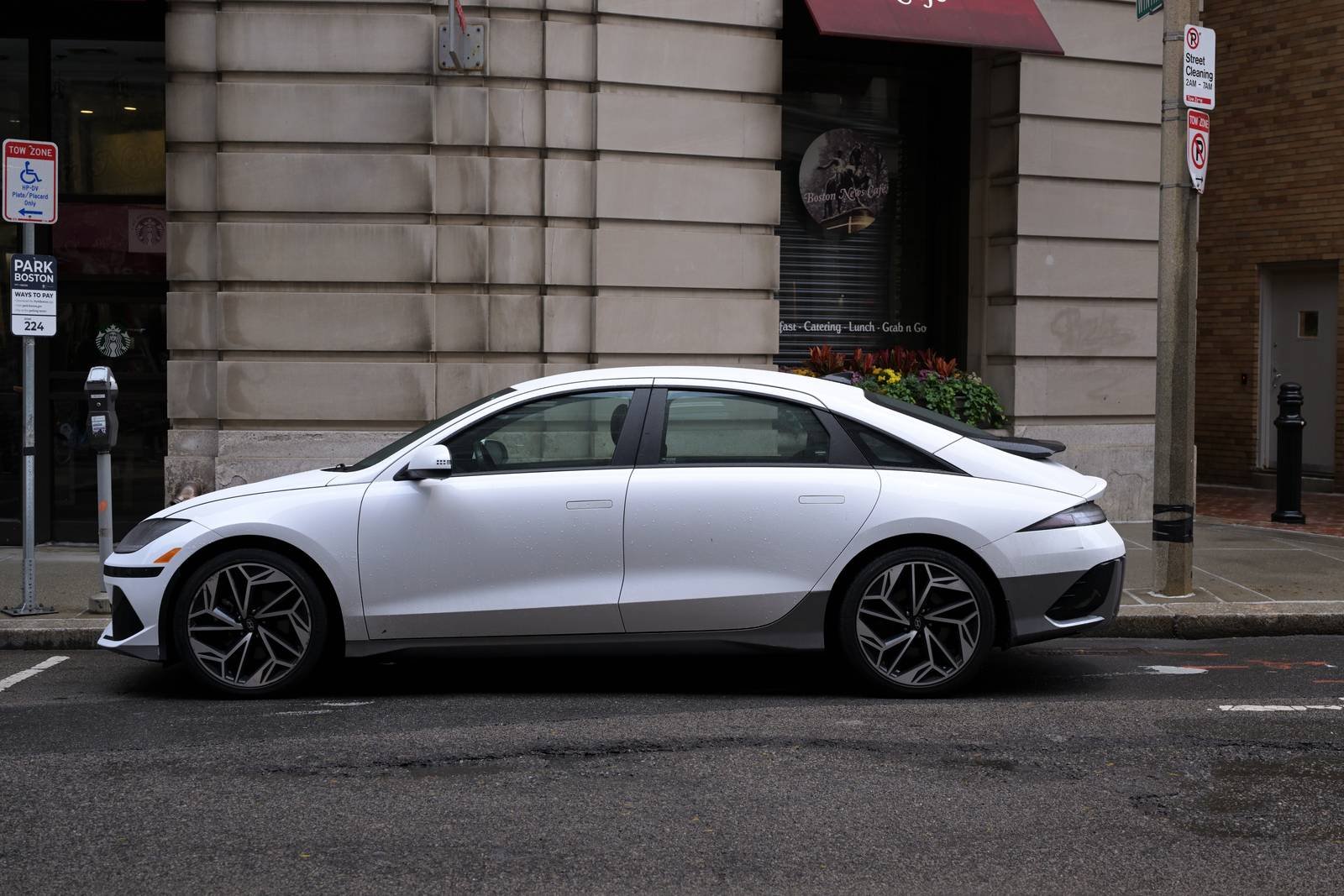
One car shows how good the deals can be. A used Hyundai Ioniq 6 with 361 miles of range is one of the strongest used EV buys in this market.
Before you sign for any used EV, get a battery health report. The battery is the most expensive part of the car, and its condition decides how much range you actually get. A dealer or an independent shop can run the check, and the report shows capacity and any weak cells. Replacement costs vary widely by model, and our look at F-150 Lightning battery replacement costs shows how steep the bill can run when a pack is out of warranty.
One more check pays off. Confirm the car can charge where you live and work. Our charging station guide maps the public network near you.
What this means for US buyers
If you own a used EV, the market is on your side. Small electric crossovers are moving in about a month, and average prices are up nearly 10% in a year. Price against the $32,533 average and the 41.9-day typical selling time, and a clean, well-priced car should not sit long.
If you are buying, the cheap used EV is gone. A used EV now costs $579 more than a gas car on average, after costing $2,227 less a year ago. The value is still there in the right cars: small crossovers that sell fast, hold their price, and cost less to run while gas stays high. Start with the fastest-selling list, get a battery health report, and check real prices before you bid. Our EVs hub tracks the wider market as these numbers move.
How days on market works
Days on market is a simple measure: the average number of days a used car listing stays up before the car sells. iSeeCars builds it from more than 1.5 million one- to five-year-old vehicles, comparing September 2026 with September 2025. A falling number means demand is strong or supply is tight. A rising number means cars are sitting. The measure tracks speed, not volume, so a model can sell slowly and still sell in large numbers.
The same study runs every month, which makes it a useful gauge over time. Used EV prices fell year over year from January through March 2026, then rose for six straight months to September’s 9.8% gain. The direction of both price and speed tells you more than either number alone.
What to watch next
Cox Automotive’s October EV market monitor is due in mid-November, and it will show whether the September pattern held into the fall. Cox had used EVs at 35 days of supply in September against 46 for the overall market, according to Octane Daily. Fuel prices are the other gauge: the national average was $4.24 a gallon as of October 28, and Brauer expects the trend to continue until fuel prices moderate. Used EVs have listed above gas cars every month since June, so the price gap is worth tracking month to month.
Used EV selling speed questions, answered
How many days does a used EV sit on a lot vs a gas car?
In September 2026, a used EV averaged 41.9 days on the market and a gas car averaged 54.8 days, according to iSeeCars. That is a gap of 12.9 days, or nearly two weeks.
Why isn't Tesla on the fastest selling used EV list?
Tesla's prices rose sharply, but its cars cost more and sit in bigger segments than the compact crossovers buyers want. The fastest sellers are the Audi Q4 Sportback e-tron at 29.8 days, the Toyota bZ4X at 33.3 and the Lexus RZ 300e at 34.3.
Are used EVs more expensive than gas cars now?
Yes. A used EV averaged $32,533 in September 2026 against $31,954 for a gas car, a premium of $579. A year earlier, used EVs cost $2,227 less than gas cars on average.
Why did used EV prices go up 10%?
Used EV prices rose 9.8% in the year to September 2026. iSeeCars ties the rise to high fuel prices and to the market recovering after federal EV incentives ended a year ago. Prices fell in early 2026, then rose for six straight months.
The used EV market flipped in a year. Electric cars went from selling slightly slower than gas cars to selling nearly two weeks faster, and from costing $2,227 less to costing $579 more. Tesla sits at the odd edge of that flip: its prices are climbing fastest, but its cars are not the ones selling fastest. If you are shopping, start with the small crossovers on the fastest-selling list and get a battery health report before you sign. If you are selling, the numbers are on your side.