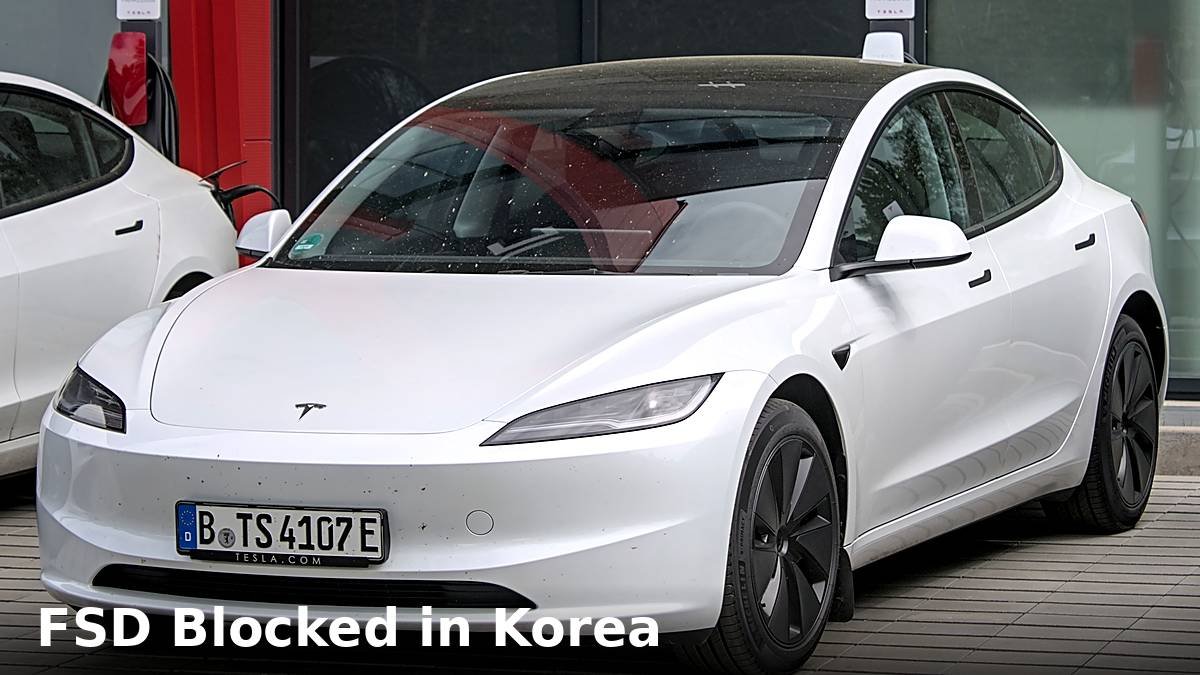
Tesla is facing a new consumer complaint in South Korea over its Full Self-Driving (Supervised) software, after buyers allegedly paid for a feature their vehicles could not legally use. Filed with South Korea’s Fair Trade Commission on November 5, the complaint highlights a growing dispute involving vehicle manufacturing locations, regulatory approval and software availability.
The case matters to US Tesla owners because it raises a broader question about how automakers market software features that depend on vehicle hardware and local regulations. However, the South Korean restrictions should not be confused with FSD availability in the United States.
Why is Tesla facing an FSD complaint in South Korea?
South Korea’s Citizens’ Council for Consumer Sovereignty reported Tesla Korea to the Korea Fair Trade Commission (KFTC) on November 5, alleging that the automaker failed to adequately explain restrictions affecting its paid Full Self-Driving software.
The consumer group argues that Tesla marketed FSD as an upcoming feature even though most locally registered Tesla vehicles could not legally activate it. The complaint asks regulators to examine whether customers were sufficiently informed about vehicle-specific restrictions before making a purchase.
According to Reuters, Tesla sold the software to South Korean customers for years, including vehicles manufactured in China that faced regulatory barriers to using the system.
The consumer group’s allegations are not a final finding of misconduct. The KFTC had already confirmed an investigation into Tesla’s FSD advertising earlier in 2026.
Sources: Reuters investigation and Chosun, November 5.
How many South Korean Teslas can use FSD?
Figures reported on November 5 show that 54,303 out of 227,902 registered Teslas in South Korea were compatible with FSD as of October 6, 2026.
That means approximately 23.8% were compatible, while 76.2% were not eligible under the reported vehicle and regulatory conditions.
| FSD status | Vehicles | Share |
|---|---|---|
| Compatible | 54,303 | 23.8% |
| Incompatible | 173,599 | 76.2% |
| Total | 227,902 | 100% |
These figures were reported by Chosun using information Tesla Korea submitted to South Korea’s National Assembly. They are a snapshot of the registered fleet, not a measurement of customers who actually purchased FSD.
There is also a separate September 30 dataset reported through parliamentary materials. It lists 238,968 registered Teslas, of which 53,477 were FSD-compatible and 185,491 were incompatible.
The two reported snapshots do not reconcile directly, particularly because the later October 6 total is lower. They should not be treated as a verified trend without clarification of the underlying vehicle records and reporting methodology.
[VERIFY: official source] Obtain the underlying Tesla Korea registration dataset before presenting either snapshot as a definitive official fleet count.
Why can’t China-made Teslas use FSD in South Korea?
The controversy is closely connected to where Tesla vehicles are manufactured and which vehicle-safety standards are recognized by South Korean regulators.
Most Teslas sold in South Korea are Model 3 and Model Y vehicles manufactured at Tesla’s Shanghai factory in China. Reuters reports that certain US-manufactured vehicles qualify under South Korea’s recognition of US vehicle-safety standards through the Korea-US Free Trade Agreement.
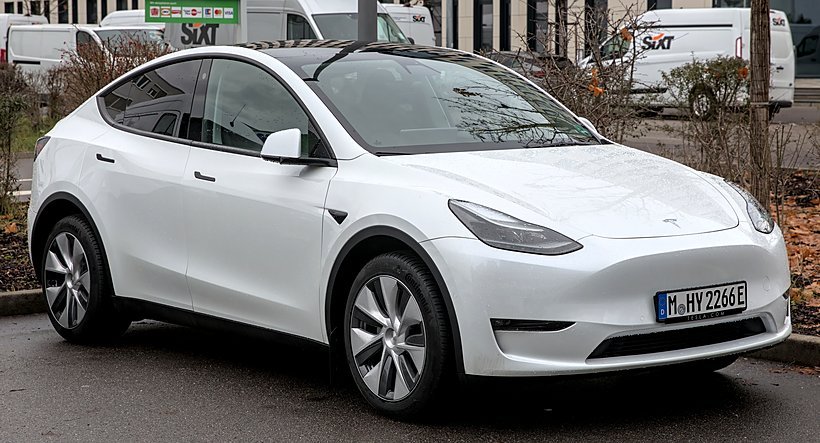
China-manufactured vehicles face a different certification situation. South Korean safety rules include requirements involving steering control and driver operation that the current FSD implementation does not satisfy.
The restrictions are not simply a question of newer hardware. Korea JoongAng Daily reports that some US-made cars with the older HW3 computer can run FSD, while China-made cars with the newer HW4 computer cannot. Build location matters more than hardware version here.
Tesla Korea submitted a technical exemption request to South Korea’s Ministry of Land, Infrastructure and Transport on October 22, 2026, seeking permission to enable FSD on China-made vehicles.
The request is not the same as receiving approval. As of the latest reporting reviewed for this article, a final approval for the affected vehicles had not been established.
Source: Korea JoongAng Daily.
What does the 99% Tesla FSD figure actually mean?
One statistic in the original InsideEVs article needs clarification. The report refers to 99% of new Teslas sold in South Korea during 2025 being unable to legally use FSD.
It does not mean that 99% of Teslas imported into China were incompatible, nor does it describe the entire South Korean Tesla fleet.
The distinction is important because the figure concerns new sales in one year, while the 76.2% figure refers to a reported snapshot of all registered vehicles as of October 6, 2026.
| Statistic | What it measures | Reported result |
|---|---|---|
| 2025 sales | New Teslas sold in South Korea | 99% incompatible |
| October 6, 2026 | Registered Tesla fleet | 76.2% incompatible |
| October 6, 2026 | Registered Tesla fleet | 23.8% compatible |
Reuters attributes the 2025 sales figure to information Tesla submitted to South Korea’s National Assembly.
How much did Tesla charge for Full Self-Driving in South Korea?
The financial side of the complaint is another important part of the dispute. Reuters reported that Tesla charged South Korean customers as much as 9.043 million won for a one-time FSD purchase.
The company later introduced a monthly subscription priced at 150,000 won in August 2026.
| FSD pricing | South Korean price | Approx. USD |
|---|---|---|
| One-time purchase | 9,043,000 won | $6,726 |
| Monthly subscription | 150,000 won | $112/month |
The dollar equivalents are the approximate conversions reported by Reuters using an exchange rate of 1,344.56 won per US dollar. They are historical reported prices, not current US Tesla pricing.
The consumer group argues that buyers should have been clearly informed whether their particular vehicles could use the paid feature before purchasing it.
However, the exact number of customers who purchased FSD on incompatible vehicles has not been established by the reporting reviewed.
What happened in the Tesla FSD refund lawsuit?
The consumer complaint follows a separate court case involving 88 Tesla owners who sought refunds for their FSD purchases.
On October 29, 2026, the Seoul Central District Court rejected their refund lawsuit, ruling that Tesla had not breached its contractual obligations.
The court considered the contractual language, including provisions stating that additional functions depended on technological developments and government approval. It also found that some functions included in the package had been provided.
That ruling does not automatically settle the advertising complaint. Contractual refund obligations and compliance with consumer advertising laws are separate legal questions.
The consumer group is asking the KFTC to examine whether Tesla adequately disclosed the limitations before customers paid for FSD.
Source: Reuters court ruling report.
What does the South Korea FSD complaint mean for US Tesla owners?
The South Korean case does not establish that Tesla owners in the United States face the same vehicle eligibility restrictions. The dispute is tied to South Korean certification rules and the manufacturing origins of vehicles sold in that market.
Nevertheless, the case is relevant to US customers because it highlights how software availability can depend on hardware configurations, regulatory approvals and regional restrictions.
How much does Tesla FSD cost in the United States?
Tesla’s official US support page lists Full Self-Driving (Supervised) at $99 per month. Tesla says the subscription price and feature availability are subject to change, and that the software is currently offered through a subscription rather than a new outright purchase.
That US price is different from the historical South Korean prices reported in the complaint.
Is Tesla Full Self-Driving actually autonomous?
No. Tesla explicitly says that FSD (Supervised) does not make a vehicle fully autonomous and requires active driver supervision.
The National Highway Traffic Safety Administration also explains that Level 2 driving automation requires drivers to remain fully and continuously engaged in the driving task.
Drivers must therefore remain responsible for controlling their vehicles, even when an advanced driver-assistance feature is active.
For US Tesla owners, the practical lesson is to check the exact vehicle configuration, software eligibility, subscription terms and regional availability rather than relying on a general feature description.
For context, see our Tesla Model 3 2027 EV landscape and Tesla stock Barclays upgrade and robotaxi push coverage, plus our Kia EV7 midsize electric SUV piece on how rivals price driver-assist tech.
Sources: Tesla’s official FSD support page and NHTSA automated vehicle safety guidance.
What happens next in the Tesla FSD South Korea case?
The next major development will depend on how the Korea Fair Trade Commission responds to the consumer complaint and its existing investigation into Tesla’s advertising.
Regulators may examine whether Tesla provided sufficiently specific information about vehicle eligibility, production location and regulatory approval before customers purchased FSD.
Tesla’s October 22 exemption request is another important part of the story because approval could potentially change the eligibility situation for China-built vehicles. On November 4, CBS NoCut News reported the ministry judged Tesla Korea’s application largely incomplete on required documents, so approval is not close.
However, no regulatory penalty, refund order or approval for all affected vehicles should be assumed before an official decision is announced.
Frequently asked questions
Why is Tesla facing an FSD complaint in South Korea?
A consumer group alleges that Tesla did not adequately disclose that many locally sold vehicles could not legally use its paid FSD software.
What percentage of South Korean Teslas can use FSD?
Reported October 6 figures show that 23.8% of registered Teslas were compatible, while 76.2% were not.
Why can’t China-made Teslas use FSD in South Korea?
China-built vehicles face South Korean safety certification restrictions that differ from the treatment of certain US-built Teslas under the Korea-US trade agreement.
How much does Tesla FSD cost in the US?
Tesla’s official support page currently lists a $99 monthly subscription for FSD (Supervised), subject to change and eligibility.
Conclusion: Tesla’s FSD availability is about more than software
The South Korean complaint shows how a software feature can become a consumer-protection issue when availability depends on vehicle hardware, manufacturing location and government approval.
For US Tesla owners, the case is a reminder to check the exact features supported by their vehicles and understand that FSD (Supervised) is not a replacement for an attentive driver.
Next step: Check Tesla’s official FSD support page for the latest subscription terms, feature availability and vehicle eligibility before purchasing the software.