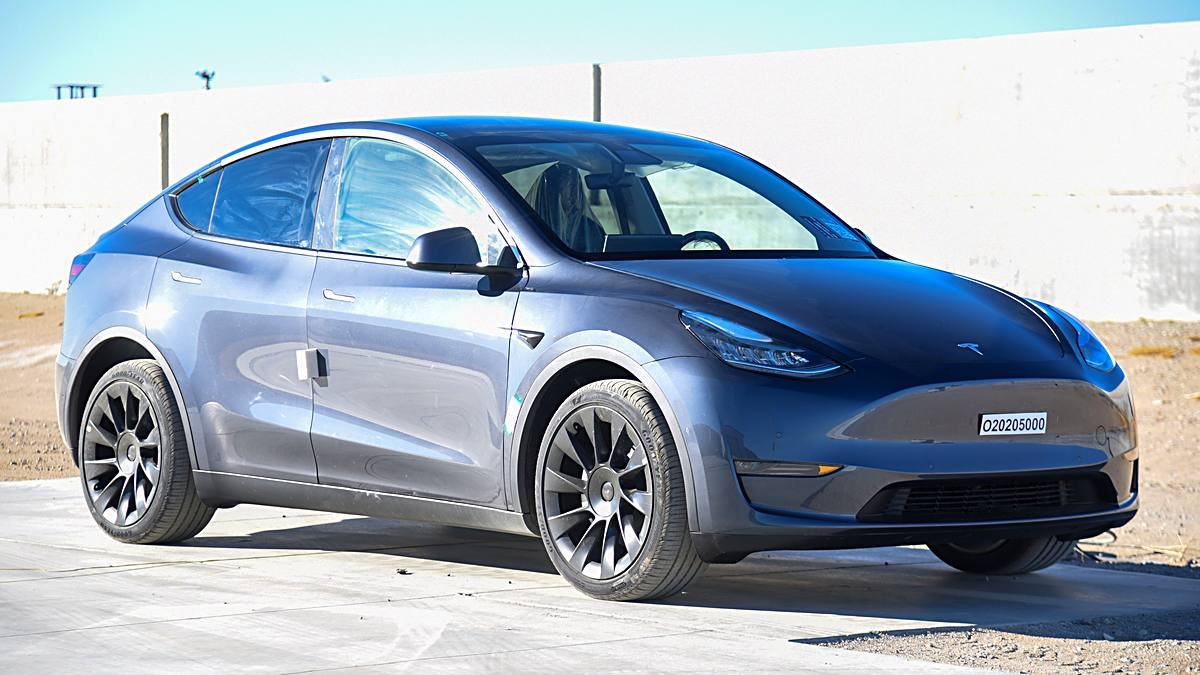
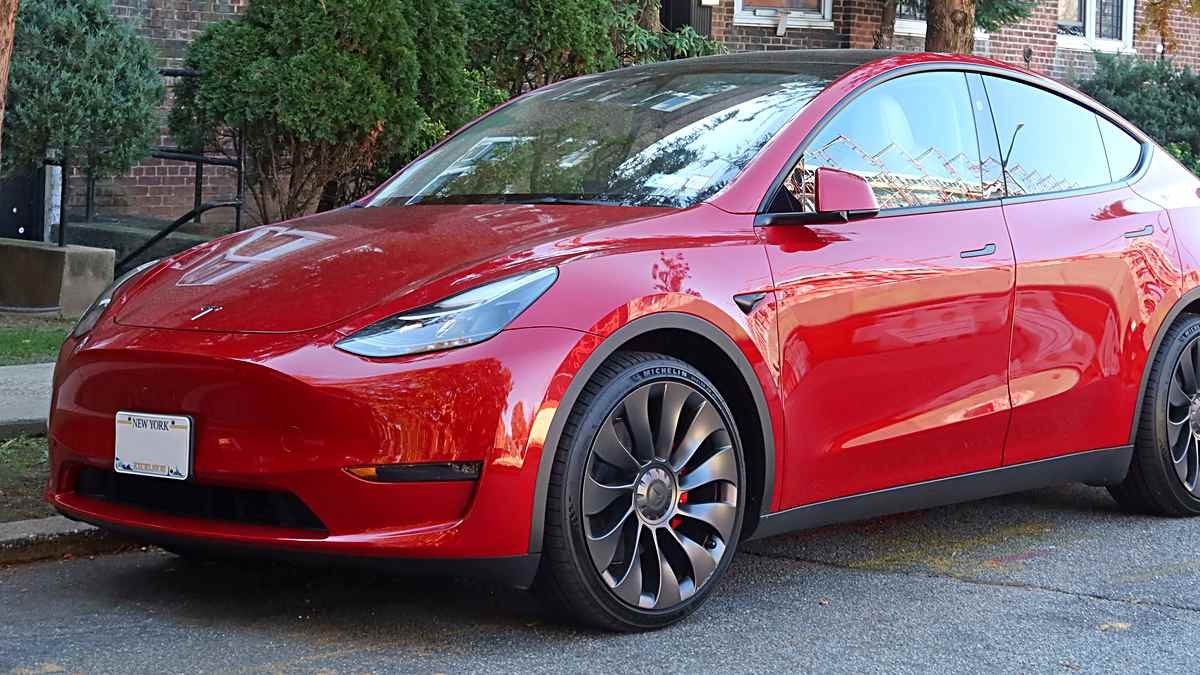
Tesla’s Robotaxi service started picking up riders in San Antonio, Texas, on Monday, November 9, 2026, at 5 a.m. Central time. It is the company’s eighth US city with driverless rides and its fifth in Texas, after Austin, Dallas, Houston, and Fort Worth. The launch zone covers about 275 square miles, the biggest area Tesla has opened on day one, and the cars are modified Model Ys that riders book through the Tesla Robotaxi app.
The announcement came just after midnight in Texas, in a single line from Tesla’s official Robotaxi account on X: “Robotaxi available in San Antonio starting tomorrow, 5am.” The account posted it at 06:27 UTC with a map of the launch zone, then replied “Monday” when a reader asked which day it meant. There was no press release, no event, and no list of details. It was the same pattern Tesla has used for every Robotaxi launch this year: a short post, a map, and riders figuring out the rest for themselves.
Most of what we know about the San Antonio launch comes from the people who track Tesla’s driverless rollout day by day, not from Tesla itself. That matters, because the biggest questions about the launch, whether the cars run with no human safety monitor on board, what they cost, and how many there are, are things Tesla has never said in its own words. This article sticks to what is confirmed, and says plainly where the reporting stops.
The launch, in 30 seconds
If you only need the facts, here they are. Rides began at 5 a.m. Central on November 9, 2026. San Antonio is Tesla’s eighth US city for Robotaxi rides and its fifth in Texas. The service area is one connected zone of about 275 square miles, roughly inside the Loop 1604 highway ring, according to the map Tesla posted. The cars are modified Model Y electric SUVs that seat up to four passengers, booked through the Tesla Robotaxi app. It is the second new Robotaxi city in a week, after Fort Worth opened on November 2, and the first of four cities Tesla named as coming soon on October 21 to actually open.
The zone makes San Antonio Tesla’s largest Robotaxi market by area on day one, just past Austin at about 272 square miles. Houston sits at about 254, Fort Worth at about 143, and Dallas at about 81. But the zones do not touch. A San Antonio robotaxi cannot carry you to Austin, and an Austin one cannot bring you to San Antonio, at least not yet. Each city is its own island for now.
The zone: about 275 square miles
Tesla has not published an official size for the San Antonio zone. The 275-square-mile figure comes from Sawyer Merritt, a Tesla watcher followed closely by the Robotaxi community, who measured the map Tesla posted. He called it Tesla’s largest Robotaxi service area at launch, slightly bigger than Austin’s 272 square miles. CarBikeInsight, working from the same numbers, put the eight zones at about 1,106 square miles in total, which would make San Antonio alone about a quarter of Tesla’s whole mapped network. No other outlet has published its own measurement yet, so treat 275 as the best available estimate, not a Tesla number.
There is one wrinkle in the record. At 11:00 UTC on November 9, the same morning San Antonio opened, Tesla’s Robotaxi account also posted “Bigger Austin service area now live,” without giving a new size. It is not clear whether the 272-square-mile figure for Austin still holds, so San Antonio’s lead over Austin is a lead on the figures published so far, not a settled fact. Either way, this is a big opening zone by any measure.
The map is the only boundary that counts right now. Tesla has not published a street-by-street list of where pickups work, and no local outlet has drawn one either. EVwire’s reading of the map puts the zone up to Loop 1604 in the north and past Loop 410 on the other three sides, and Tesla Oracle noted that the shaded area seems to take in San Antonio International Airport, though airport pickups are not confirmed. The Tesla Robotaxi app shows the live zone, so a San Antonio rider’s first step is to open the app and check whether their address falls inside it, and whether a car is nearby at all. With a fleet this new, waits are likely to be longer than in Austin, where Tesla has been running for more than a year.
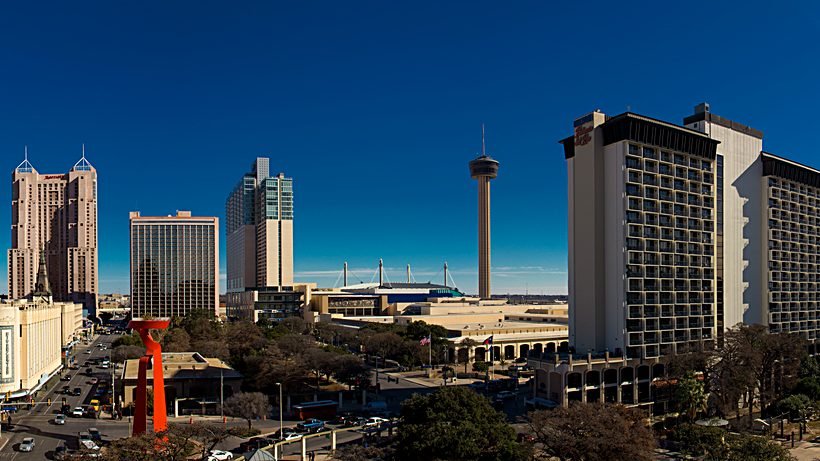
The size still matters. A 275-square-mile launch zone is a real service area, not a small demo loop around downtown. It covers the central city and reaches out toward the Loop 1604 ring, which means it takes in downtown, the airport area, and a wide band of neighborhoods around them. For a rider without a car, that is the difference between a service that works for a real trip and one that only works for a photo op.
The scale also shows up in the headcount math. Merritt estimated that with San Antonio, Tesla’s unsupervised Robotaxi zones now cover about 4.2 million people, or 1.2 percent of the entire US population, across eight cities, up from 1.0 percent the week before. That is his estimate, not a Tesla figure, and it says nothing about how many of those people can actually get a car when they open the app. But it is a useful marker for how fast the map is growing: one city a week, each one bigger than the last.
| City | Approx. zone size | Rank |
|---|---|---|
| San Antonio | About 275 square miles | 1st |
| Austin | About 272 square miles | 2nd |
| Houston | About 254 square miles | 3rd |
| Fort Worth | About 143 square miles | 4th |
| Dallas | About 81 square miles | 5th |
Tesla’s unsupervised Robotaxi zones in Texas, by independent estimates from Tesla’s posted maps. The three Florida zones are far smaller: Miami about 31 square miles, Orlando about 26, and Tampa about 24. The San Francisco Bay Area zone is larger, about 1,098 square miles, but rides there still carry a human safety driver, so it does not count in the unsupervised ranking. Sources: Sawyer Merritt, CarBikeInsight, Not a Tesla App, EVwire, CultureMap Fort Worth.
The list: San Antonio was on it this time
This launch was different from the last one in a small but telling way: San Antonio was on the list. On October 21, Tesla named Las Vegas, Phoenix, Jacksonville, and San Antonio as the next cities for Robotaxi service. San Antonio is the first of the four to open, 19 days later. The other three are still waiting.
Fort Worth, by contrast, was not on that list at all, and it still opened on November 2. Chuck Cook, a Tesla owner known for testing Full Self-Driving and posting his drives online, summed up the surprise on X: “Interesting that this newest robotaxi city, Fort Worth, wasn’t even on the most recent cities coming soon list.”
Put the two launches together and the pattern is clear. Tesla can open a city it announced, and it can open one it never mentioned. That means riders in Las Vegas, Phoenix, and Jacksonville should not read too much into the list, or into the lack of one. The next launch could come with three weeks of notice, or with none at all.
There is a business logic to the Texas run. San Antonio sits in the same state where Tesla already runs Robotaxis in four other cities, so the company can reuse the team, the maps, and the local know-how it built there. Texas is also the friendliest state in the country for driverless cars. A state law, SB 2807, set up a formal permit system for driverless operators, and the Texas DMV has been taking applications since April 21, 2026, with enforcement starting May 28. Austin, Dallas, Houston, and Fort Worth already run under that system. San Antonio just joined them.
Las Vegas may not be far behind. Nevada has cleared Tesla to run up to 5,000 robotaxis in Las Vegas, which would be the biggest single market yet if it happens. Phoenix and Jacksonville have no such number attached yet.
The ride: what we know, and what we don’t
A San Antonio Robotaxi ride should work the same way it does in Tesla’s other Texas cities. You open the Tesla Robotaxi app, set a pickup point inside the zone, and a modified Model Y comes to get you. The cars seat up to four passengers. There is no driver. That much is safe to say, because it is how the service works everywhere else in Texas.
The details are thinner. Tesla has not said how many cars are running in San Antonio, what hours the service runs, or what it costs. In Texas so far, the service has run on a 20-hour day, from 6 a.m. to 2 a.m., and the Robotaxi account said on October 30 that operating hours were now 6 a.m. to 2 a.m. But San Antonio was announced with a 5 a.m. start, which suggests hours can differ by city. That is the pattern, not a promise for San Antonio. Tesla has also offered free first rides to new Robotaxi riders, a promotion spotted so far in Houston and Dallas. No source has confirmed it for San Antonio yet.
The fleet numbers from other cities give a sense of the scale. TechCrunch, citing the independent Robotaxi Tracker site, reported that Tesla has just 24 vehicles in Fort Worth and five in Miami, against more than 400 autonomous vehicles registered in its Austin fleet. Our own check of the Texas registry found 1,051 Tesla robotaxis registered in the state as of October 27, 544 Cybercabs and 507 Model Ys. San Antonio’s count is not public, and the tracker had not published one at the time of writing. A small starting fleet is the norm for Tesla: it opens with a handful of cars and adds more as riders show up.
The gap between zone size and fleet size is the number to watch. Austin’s 400-plus cars over 272 square miles work out to about 1.47 vehicles per square mile. Fort Worth’s 24 cars over 143 square miles come to about 0.17. CarBikeInsight worked out that matching Fort Worth’s density in San Antonio would take about 46 cars, and matching Austin’s would take about 404. The record launch area says more about where Tesla is allowed to drive than how easy it will be to get a ride. The fleet count, not the size of the map, is what decides the wait.
One gap is worth stating plainly. No wheelchair-accessible vehicle has been announced for the San Antonio launch. The modified Model Y is not a wheelchair-accessible design, so riders who need that will have to wait for a different vehicle or a different service.
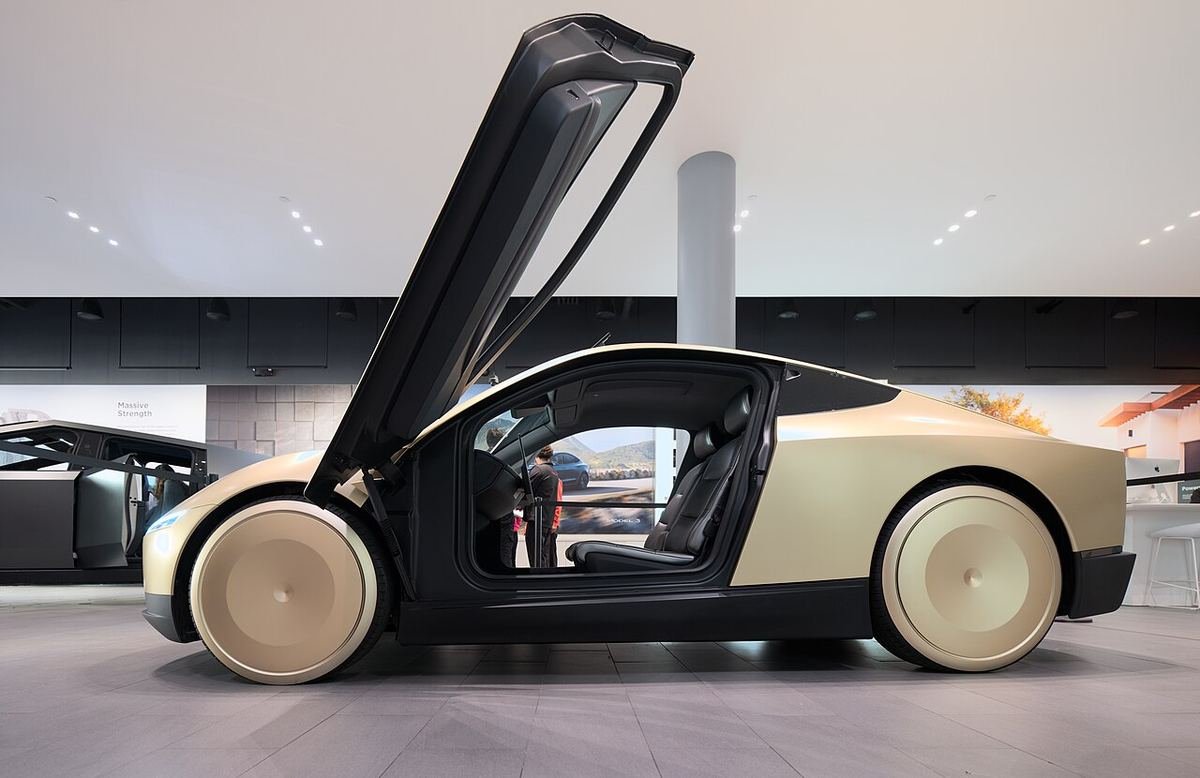
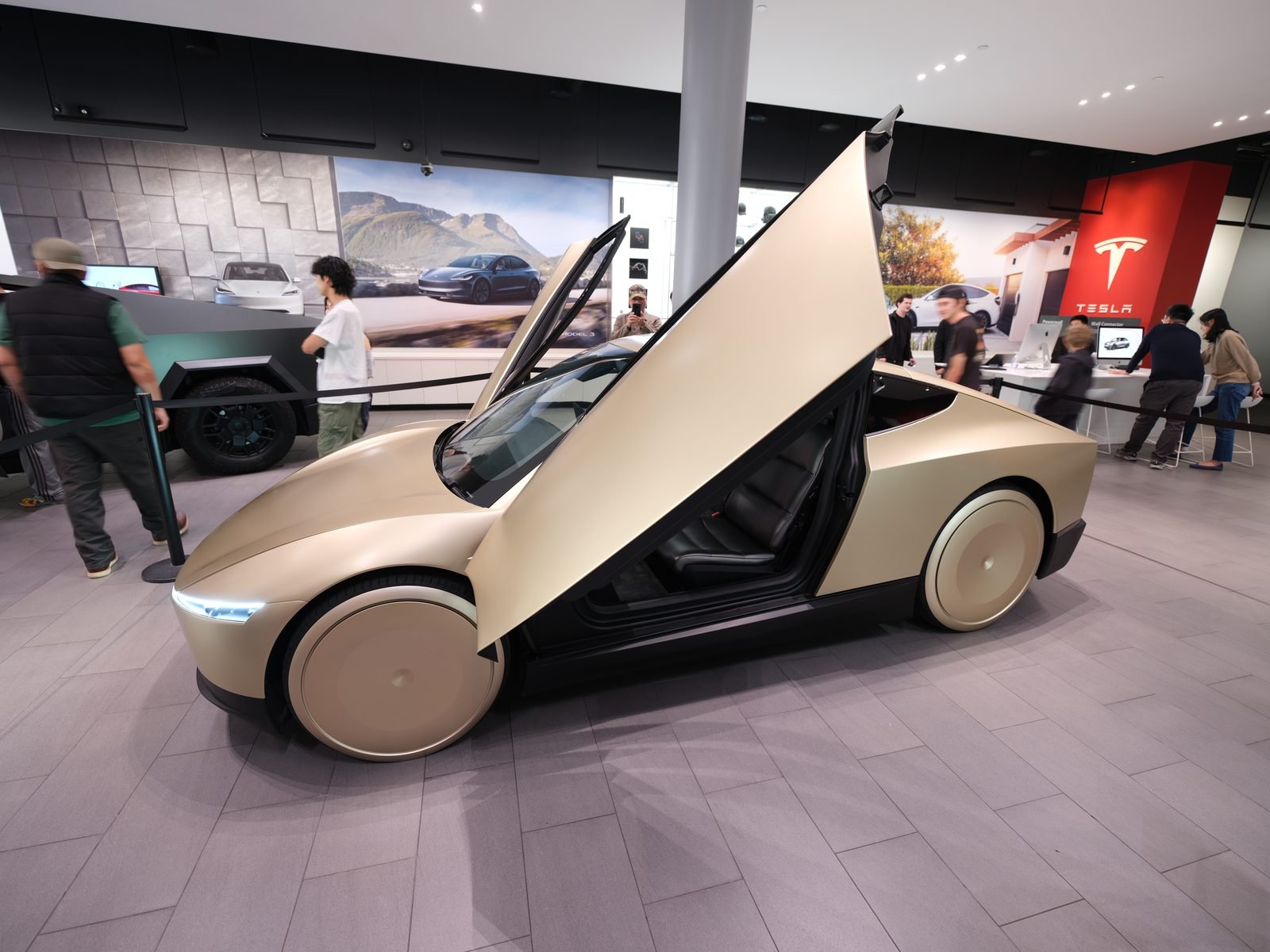
What about the Cybercab, Tesla’s gold two-seater with no steering wheel and no pedals? Tesla has not said whether any Cybercabs are running in San Antonio. The company’s own Cybercab guide still lists public rides in limited areas of Austin only, and Tesla Oracle reports that the Model Y runs in all eight cities while the Cybercab runs only in Austin. If the pattern from other launches holds, San Antonio starts with Model Ys, and the Cybercab comes later.
The rival already on the streets: Waymo
San Antonio is not new to driverless cars. Waymo has been running robotaxis there since February, and Tesla is the second driverless network in the city, not the first. Its cars are driverless Jaguar I-Paces, plus Zeekr RT vehicles branded Ojai, and they run in Austin, Dallas, Houston, and San Antonio. Waymo offers paid rides in 15 US cities, a much bigger footprint than Tesla’s eight.
Waymo’s San Antonio story has a hard chapter in it. On April 20, during a severe storm, an unoccupied Waymo vehicle drove into a flooded section of road and was swept into Salado Creek. Nobody was hurt, because no passengers were on board, but several Waymo cars got stuck in the same storm. The company paused service in the city, filed a voluntary recall with the National Highway Traffic Safety Administration on April 30, and fixed the problem with an over-the-air software update. Electrek, citing Waymo’s federal filing, put the recall at 3,791 vehicles.
Service came back on September 17, about five months later, with software meant to spot standing water sooner and steer away from it. The restart covers about 60 square miles, including downtown and San Antonio International Airport, with dozens of cars. Riders who had access before the pause got back in first, and on October 15 Waymo dropped the waitlist and opened the app to everyone in the city.
Waymo spokesman Chris Bonelli told the San Antonio Express-News that riders on the waitlist would get a push notification from the Waymo app, and that the company planned to keep admitting people from the waitlist over the coming weeks before opening to anyone in the city later in the year. That opening has now happened. What has not happened yet is a real test of the new software in a real flood. Waymo says severe weather may pause the service again, and it has not published exact thresholds.
That is the shared problem for both companies in this city. San Antonio gets flash floods, and a driverless car that cannot read standing water is a car that should not be on the road that night. Waymo learned that in April and paid for it with a five-month pause. Tesla has not described how its system handles the same conditions. The first heavy rain of the season will test both of them, and riders will be watching.
The honest catch: what Tesla has not said
Here is the part of the story that needs care. Tesla’s own announcement never said the San Antonio rides run with no safety monitor on board. The company’s post said only that rides would be available, with a map. Every claim that the cars are fully driverless comes from outlets and trackers, not from Tesla.
The trackers have good reason for the claim. Tesla removed safety monitors from its robotaxis in Austin in January, kicking off a true driverless service there, and the Texas cities that followed have run the same way. Not a Tesla App, one of the most careful trackers of the rollout, describes the Texas service as fully unsupervised. But the San Antonio posts do not mention monitors, and Tesla has not made that statement about San Antonio. The honest way to put it: every independent tracker treats San Antonio as unsupervised, and Tesla has not corrected them, but the company has not confirmed it in its own words either.
The same caution applies to the rest of the launch. No source gives an official count of how many cars are running in San Antonio. Pricing is unpublished. The company has not said whether the San Antonio zone will ever connect with Austin’s, about 80 miles up the road. And nobody has confirmed whether the launch cars are all Model Ys, or whether any Cybercabs are in the mix.
None of that makes the launch fake. The cars are on the road, riders are booking them, and the zone is real. But a launch with this many blanks is a reminder to read the fine print: what Tesla announces and what trackers report are two different things, and this article keeps them separate.
Why San Antonio matters more than it looks
San Antonio is not a tech hub, and it is not a tourist town. It is a big, spread-out Texas city where most people drive everywhere, and where getting around without a car has never been easy. A driverless ride option covering downtown and a wide ring of neighborhoods around it is a real addition for someone without a car, not just a novelty. Think of a hospital worker finishing an overnight shift near downtown at 2 a.m., when the buses have stopped running. Until this week, that trip home meant a rideshare driver or a long wait. Now it can mean opening an app instead, if a car is nearby and the fare is fair.
The launch also changes the scoreboard. Tesla had just passed Waymo in weekly driverless miles in Austin when our registry check ran last week, and San Antonio is the next square on that board. Waymo has the bigger network, with 15 cities to Tesla’s eight, and it has been in San Antonio longer. Tesla has the faster pace, with two Texas cities in seven days. Riders in San Antonio now have two driverless options in the same city, which means more places to hail a car, and more pressure on each operator to show its cars are reliable.
There is a third reason it matters, and it is the one investors watch. Tesla’s own data, reported by TechCrunch in July, showed its robotaxi network drove fewer miles with paying customers in the second quarter than in the first. New cities are the company’s answer to that number. Each one adds paying riders, and each one tests whether the service can grow past Austin, where it has run the longest. San Antonio is the biggest day-one test of that idea so far.
What comes next: Cybercab, Giga Texas, and 24/7
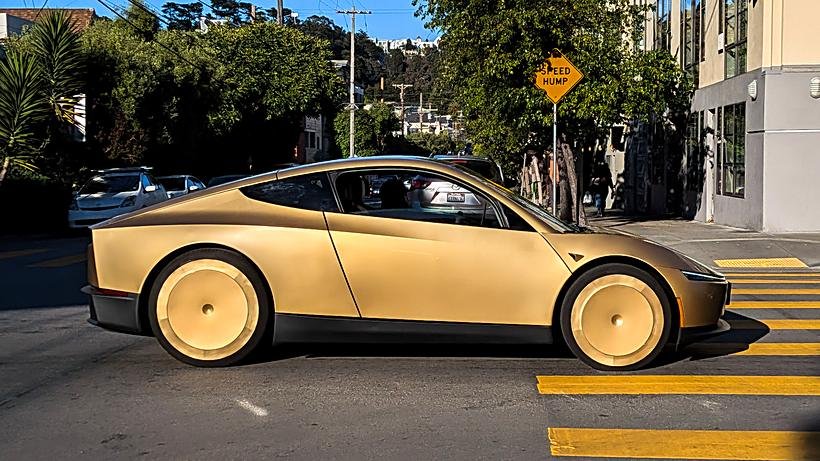
The car to watch next is not the Model Y. It is the Cybercab, Tesla’s purpose-built robotaxi with no steering wheel and no pedals. Tesla said on its third-quarter earnings call on October 21 that Cybercab rides would start in Dallas later in November, making Dallas the second market after Austin to get the new car. San Antonio, a short drive down the highway, could follow.
Ashok Elluswamy, Tesla’s vice president of AI software, told analysts on that call: “We do six cities now,” describing a plan that adds cities while also putting more cars in Austin. He added: “In fact, next month we’ll be launching in Dallas.” Chief financial officer Vaibhav Taneja said Tesla plans to bring the Cybercab to some other markets too, without naming them.
Elon Musk has been talking up the Cybercab for weeks. When news broke that the car was going into service in Austin, he wrote on X on October 11: “Cybercab is scaling.” And the company is clearing the way for more of them. On November 6, Musk said Cybertruck production “will be winding down” around the middle of 2027, so the Austin factory can build more Cybercabs instead. On Monday, he said the company would refund deposits to “a lot of people” as Cybertruck production winds down, a sign of how final that decision is.
The Cybercab itself is still a work in progress. Musk said on November 7 that efficiency work would allow a 40 kWh battery pack for the car, alongside a liquid silver finish, but neither has a confirmed production date. About two dozen Cybercabs have been spotted running on public roads around Detroit, out of Tesla’s Southfield facility, in what looks like winter testing. Austin, Dallas, and Miami never test a robotaxi the way a Michigan January does. The car is also going on show: Tesla has it on display in Melbourne from November 15 to 18, and its European display tour opened at Auto Zurich on November 5.
The bigger target is the clock. Tesla said on the earnings call that it aims to run Robotaxi around the clock by the end of 2026, up from the current 20-hour window, and its job listings in San Antonio point the same way: the company is hiring an Associate Robotaxi Operations Manager and a night-shift Fleet Support Specialist for round-the-clock vehicle operations in the city. Dallas is the test case for the Cybercab, and San Antonio is the test case for how fast Tesla can open a city it actually announced. Both answers arrive in the next few weeks.
One number frames all of it. Tesla’s Full Self-Driving safety dashboard passed 17 billion cumulative miles on November 2, including about 6.76 billion city miles. Those are miles driven with FSD (Supervised) engaged, with a human watching, not driverless robotaxi miles. The two numbers get mixed up often, and they should not be. One measures how much driving the software has done. The other measures how much of it happens with nobody in the driver’s seat. San Antonio adds to the second number, and that is the one that counts for riders.
The safety question hanging over the rollout
The expansion is happening under a cloud of federal scrutiny. On October 9, the National Highway Traffic Safety Administration opened a formal review of a petition that says Tesla robotaxis have sped through active school zones. The review covers an estimated 1,000 vehicles nationwide. It is not specific to San Antonio, and it is a review, not a finding of fault, but it is the kind of case that can slow a rollout down.
The agency has been looking at Tesla’s driverless cars from other angles too. Its data release in mid-October listed 36 Robotaxi incidents across Austin, Dallas, Houston, and Tampa, including the first crash involving a Cybercab. We covered that data in full here. The numbers are small next to the millions of miles the cars have driven, but every incident gets a close look when there is no driver in the car.
Texas, for its part, has chosen to let the cars run. The state’s SB 2807 law requires driverless operators to get authorization from the DMV, and Tesla operates under that system. The law gives the state a way to pull a permit if things go wrong, and so far it has not. That balance, a state that welcomes the cars and a federal agency that watches them closely, is the framework every new Robotaxi city now launches into.
For San Antonio riders, the practical advice is simple. Check the app before you count on a ride. Check that your address is inside the zone. And remember that this is still an early service in a new city, with a small fleet, unpublished fares, and a lot of details Tesla has not shared yet. The cars are real. The rest is still catching up.
More of Tesla’s driverless push is on our Tesla News page, and the rest of today’s car news is on the EVThrottle homepage.
Tesla Robotaxi San Antonio questions, answered
When did Tesla Robotaxi launch in San Antonio?
Rides started at 5 a.m. Central time on Monday, November 9, 2026. Tesla’s Robotaxi account announced it just after midnight Texas time with the post: “Robotaxi available in San Antonio starting tomorrow, 5am.”
How big is the San Antonio Robotaxi zone?
About 275 square miles, according to Sawyer Merritt’s measurement of Tesla’s map, which would make it Tesla’s largest day-one zone, just past Austin at about 272 square miles. Tesla also enlarged Austin’s zone the same morning without giving a new size, so the lead is not settled.
Are San Antonio Robotaxi rides really driverless?
Every independent tracker describes Tesla’s Texas service as unsupervised, with no human safety monitor in the car, and Tesla removed monitors in Austin in January. Tesla itself has never said that about San Antonio in its own words.
What cars run in San Antonio, and how do I book one?
Modified Tesla Model Ys that seat up to four passengers, booked through the Tesla Robotaxi app, if the pattern from other Texas cities holds. Tesla has not confirmed the vehicle type, the fleet size, the hours, or the fares for San Antonio, and Cybercab rides are listed only in limited areas of Austin so far.
Does Waymo also run robotaxis in San Antonio?
Yes. Waymo has run driverless Jaguar I-Paces there since February, resumed September 17 after a five-month pause caused by a flooded-road incident in April, and dropped its waitlist on October 15. Its service covers about 60 square miles, including downtown and the airport.
What cities does Tesla Robotaxi serve now?
Eight US cities with unsupervised rides: Austin, Dallas, Houston, Fort Worth, and San Antonio in Texas, plus Miami, Orlando, and Tampa in Florida. The San Francisco Bay Area has limited service with a safety driver. Tesla has named Las Vegas, Phoenix, and Jacksonville as coming soon.