The quick answers
| Question | Answer |
|---|---|
| How many robotaxis does Tesla have in Texas? | 1,051 vehicles on the Texas DMV autonomous vehicle registry as of October 27, 2026 — 544 Cybercabs and 507 Model Ys; 1,080 by October 28 |
| Where are they actually running? | Paid Cybercab rides are Austin-only for now; vehicles are also staged in Dallas, Houston, Orlando, Miami, Tampa and Las Vegas |
| How many are in service in Austin? | About 415 in service in Austin, with 718 of the 1,080 registered vehicles assigned to the Austin market |
| How does that compare to Waymo? | Waymo has 1,207 vehicles on the Texas registry — still ahead on paper, but Tesla is closing fast and now leads in Austin driverless miles |
| How big are the service areas? | Austin 272 sq mi, Houston 254 (expanded October 26), Dallas 81, Miami 31, Orlando 26, Tampa 24 |
| What's next? | Dallas is expected to get Cybercabs in November; Austin could go 24/7 by year-end |
The milestone: 1,000 vehicles, then some
Sometime in the last week of October, Tesla's Texas robotaxi fleet did something no one outside the company saw coming this fast: it crossed 1,000 vehicles. Tesla Oracle reported on October 27 that the Texas registry listed 1,051 vehicles — 544 purpose-built Cybercabs and 507 Model Ys — citing the public tracker at TexasAVTracker. A day later, the count hit 1,080, with 573 Cybercabs and 507 Model Ys, according to Next Big Future's VIN-level tally.
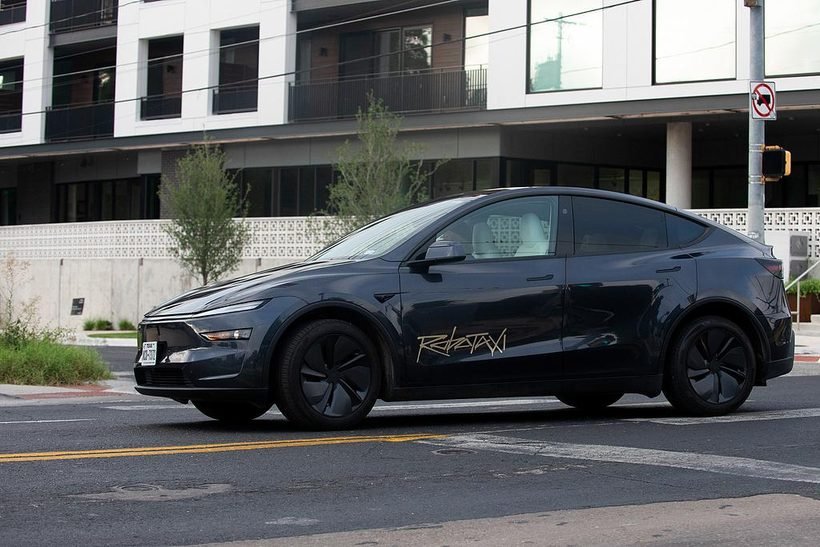
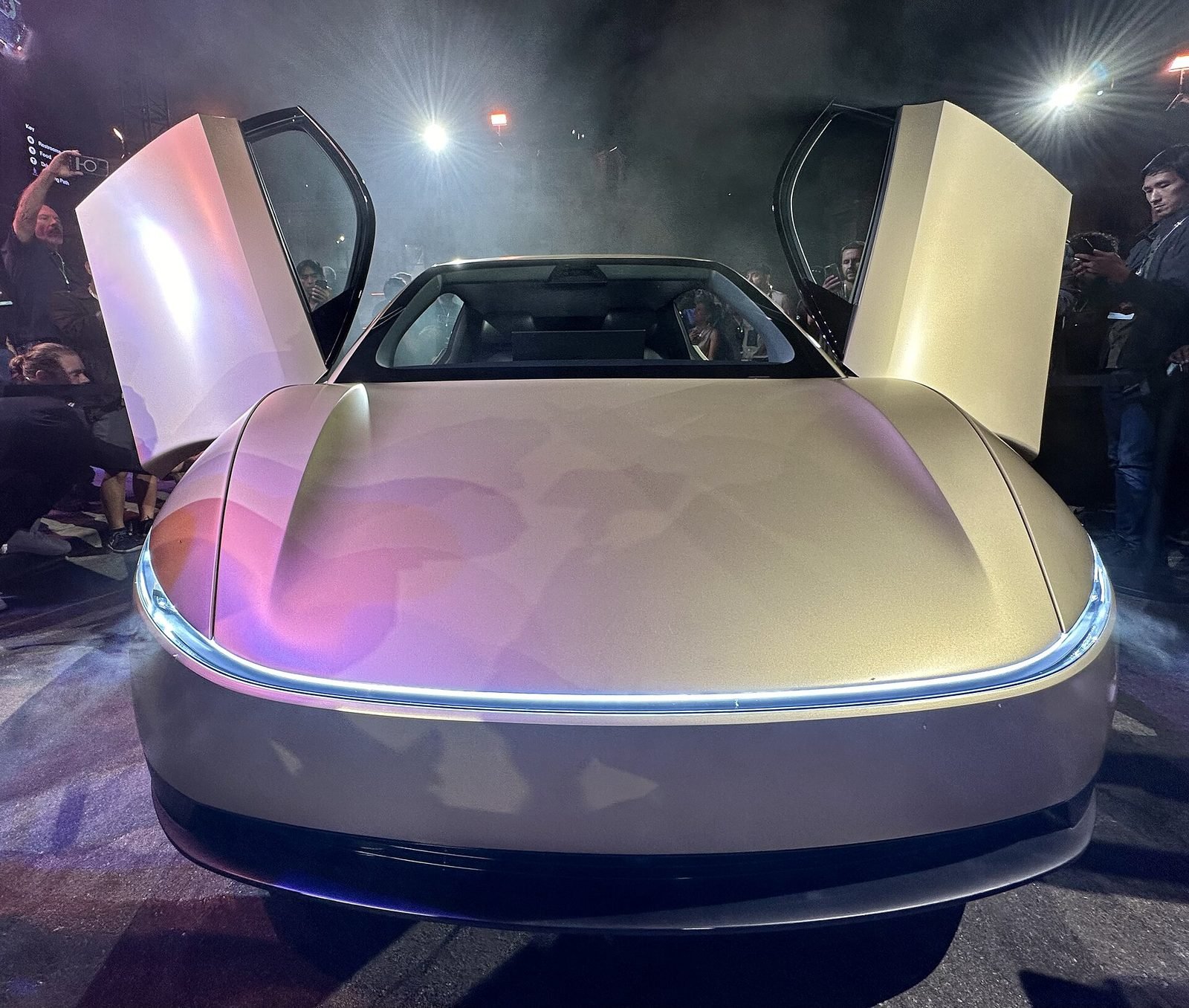
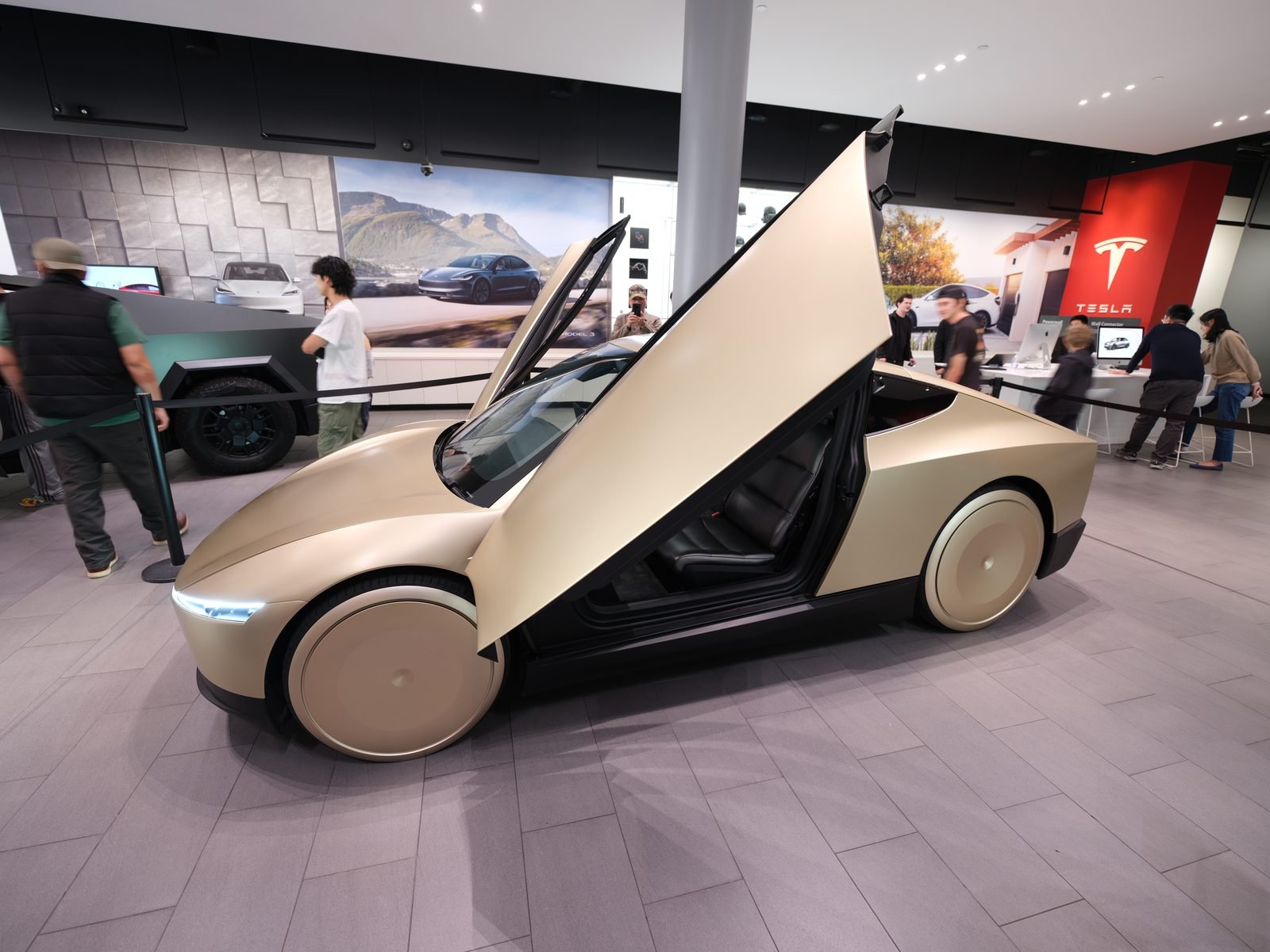
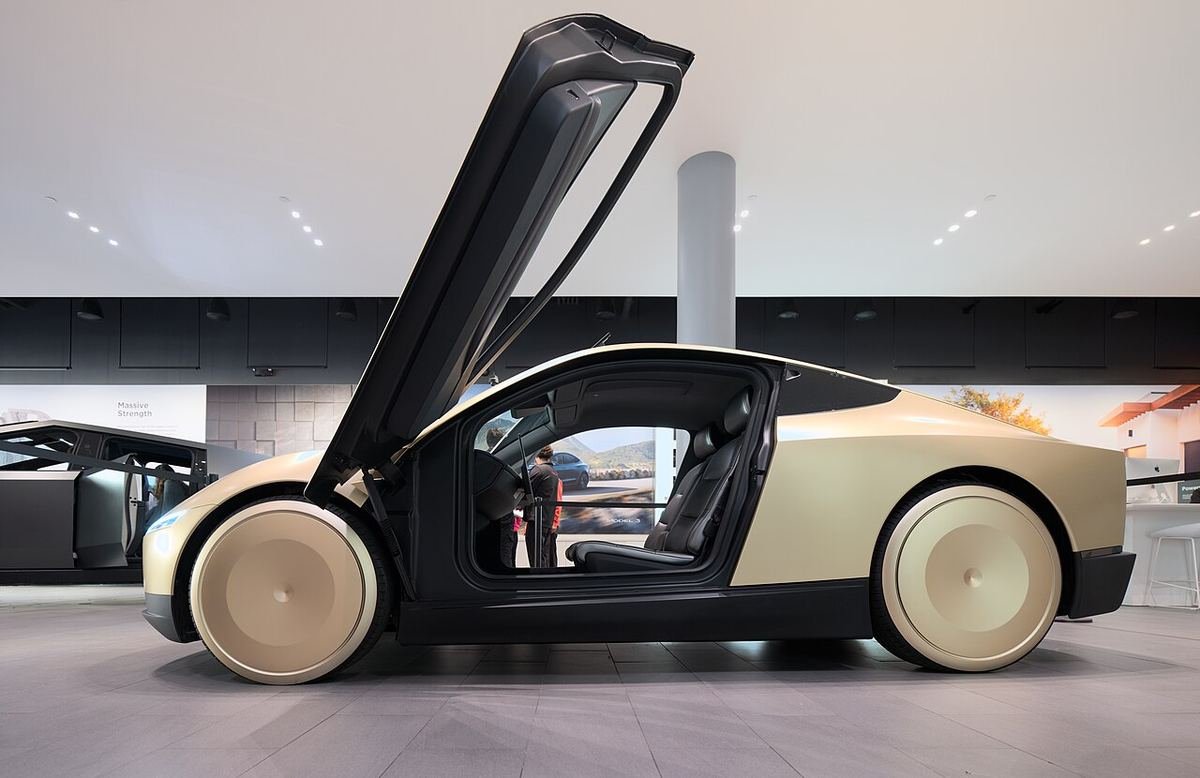
The mix matters as much as the total. Cybercabs — the steering-wheel-free, purpose-built robotaxis — now make up 53% of the Texas fleet, overtaking the modified Model Ys that carried the program through its supervised early days. That's a real changing of the guard: the fleet is no longer mostly retrofitted cars with safety hardware removed. It's increasingly the vehicle Tesla actually designed for this job.
And the pace is the story. As Tech Insider documented, Tesla's own Robotaxi account posted on October 10 that the Cybercab fleet in Austin had topped 300 vehicles — "an 8x increase in 30 days." Seventeen days later the statewide Cybercab count was 544. Whatever you think of Tesla's timelines on other promises, the company is stamping out Cybercabs at a serious clip right now.
Austin is where the action is
Registrations tell you where cars are plated. Service tells you where they're working. In Austin, both numbers are climbing. About 415 robotaxis are in service in the Texas capital, and 718 of the 1,080 registered vehicles are assigned to the Austin market.
The mileage figures are where it gets interesting. Tracking data showed Tesla logging 438,000 driverless miles in Austin in the week ending October 18, against Waymo's second-quarter weekly average of roughly 406,000 in the same city, per the Road to Autonomy podcast's analysis. Read that again: in Austin, on a weekly basis, Tesla's driverless fleet is now out-driving Waymo's.
Context matters, and the honest version includes it. Waymo's Austin number is a Q2 average — the company reports with a lag — and Waymo's 4 million weekly rider-only miles across all its markets in Q2 still dwarf Tesla's best week of about 560,000. Waymo runs paid service in Phoenix, San Francisco and Los Angeles; Tesla's paid Cybercab rides are still Austin-only. Nationally, this isn't close yet. But in Austin, the city both companies have chosen as a battleground, Tesla just took the weekly mileage lead. That's a genuine milestone, whatever comes next.
Dallas, Houston, and the staged fleets
Outside Austin, Tesla's footprint is mostly potential energy right now — cars staged, geofences drawn, launches pending. Dallas has about 76 vehicles in the registry (crowd-sourced trackers put the on-the-ground number around 75), Houston about 39 to 40, and Tampa another 20 to 30. Tesla says Cybercabs join the Dallas fleet in November, and Austin could go to 24/7 service by year-end.
The geofence moves tell you where Tesla is pointing next. On October 23, the company expanded Austin's geofence ahead of the Formula 1 US Grand Prix — a classic demand play, timed to a weekend when the city fills with visitors willing to try a robotaxi. Then on October 27, Houston's geofence grew by roughly 10 times, stretching from the northwest through downtown and Bellaire in a map some observers noted is shaped like a starship. Tesla typically adds vehicles within about two weeks of a big geofence expansion, so Houston is the city to watch in early November.
The broader service-area map now looks like this:
| Market | Geofence size | Status |
|---|---|---|
| Austin | 272 sq mi | Paid Cybercab rides live; ~415 in service |
| Houston | 254 sq mi (expanded Oct 26) | Geofence expanded ~10x Oct 27; launch pending |
| Dallas | 81 sq mi | ~76 vehicles registered; Cybercabs due November |
| Miami | 31 sq mi | Staged |
| Orlando | 26 sq mi | Staged |
| Tampa | 24 sq mi | ~20-30 vehicles; staged |
Combined, Tesla's Texas service area is now about 600 square miles, versus about 307 for Waymo — though raw square mileage flatters whoever draws the bigger polygon, and paid service is what actually counts.
Tesla vs Waymo: the honest scoreboard
So who is winning? It depends on the question you ask, and anyone giving you a single answer is selling something. Here's the scoreboard as it stands in late October:
On Texas registrations, Waymo still leads: 1,207 vehicles to Tesla's 1,080. On national weekly rider-only miles, Waymo leads by a mile — about 4 million in Q2 versus Tesla's best week of roughly 560,000. On freeway operation, Waymo leads too: it's been running freeway rides in Phoenix, San Francisco and LA for about a year, while Tesla's robotaxis still avoid highways and at-grade rail crossings.
On Austin weekly driverless miles, Tesla just took the lead: 438,000 to Waymo's 406,000. On manufacturing pace, Tesla looks formidable: adding roughly 400 Cybercabs in a single month likely outpaces the upfit rate at Waymo's Mesa, Arizona factory. And on Texas service-area size, Tesla's 600 square miles top Waymo's 307 — with the caveat that much of Tesla's is staged, not yet serving paying riders.
Grayson Brulte, speaking on the Road to Autonomy podcast, argued the whole comparison is premature: "To compare Waymo to Tesla in Austin, in my humble opinion, is comparing apples to oranges." His point: Waymo's Austin vehicles are only available through the Uber app, Waymo doesn't control routing there, and the company is allocating cars to markets where it runs its own service — while Tesla is pouring everything into one city. Co-host Rob Grant added that the Cybercab production pace is the real story: "A tenfold increase in Cybercabs is only a result of the fact that they can crank out Cybercabs from the Gigafactory perhaps faster than they can deploy them."
That's the bull case in a sentence: Tesla's constraint right now isn't building cars, it's turning them on. If that's true, the fleet numbers are a leading indicator, not a vanity metric.
What the numbers don't tell you
A few caveats before anyone penciles in a Tesla victory parade. Registrations don't establish that every vehicle is carrying paying passengers — a registered car sitting in a depot counts the same as one doing airport runs. Tesla doesn't publish robotaxi mileage, so the weekly mile figures come from third-party trackers sampling a fraction of rides; they're directionally useful, not audited.
The growth math also deserves a skeptical eye. Trackers estimate Tesla's Austin mileage is growing about 20% a week. Hold that pace and you need roughly 5,000 vehicles in Austin by the end of December to sustain it — an enormous jump from today's ~415 in service. Some forecasts put Tesla near 2,000 Texas vehicles by late November or early December, which is aggressive but not absurd given the current production pace. Christmas staffing and the usual holiday slowdown could easily push timelines into January.
And the regulatory overhang is real. NHTSA's audit of the Cybercab's self-certification — with Tesla's sworn answers due October 30 — could throttle expansion if the agency finds problems. The fleet can keep growing while the audit runs, but a bad outcome would change the math fast. (We covered the August crash data in detail here, and the October 30 deadline here.)
The Florida question
Texas gets the headlines, but Tesla's staging map is quietly going national. Vehicles are sitting in depots across Orlando, Miami and Tampa in Florida, plus Las Vegas — none of them serving paying riders yet, but all of them positioned. Miami's 31-square-mile geofence, Orlando's 26 and Tampa's 24 suggest Tesla is drawing the same playbook it used in Texas: map the zone, stage the cars, then switch on service.
The pattern from Texas is instructive. Tesla expanded Austin's geofence ahead of the US Grand Prix, then Houston's by roughly tenfold — and in both cases, vehicle deployments followed within about two weeks. If Florida follows the script, the first paid rides outside Texas could come sooner than the skeptics expect. But "staged" is doing a lot of work in that sentence: a parked Cybercab is an asset waiting for a decision, and the decisions — regulatory clearance, operational readiness, the NHTSA audit's shadow — haven't all been made.
How the tracker counts (and what it misses)
Almost every number in this article comes from the same place: Texas's public autonomous-vehicle registry, read VIN by VIN through trackers like TexasAVTracker. It's the best public window into Tesla's fleet, but it has limits worth knowing. A registration tells you a vehicle is certified for unsupervised robotaxi service in Texas — it doesn't tell you whether it drove a single paying mile that day.
The crowd-sourced ride trackers have the opposite problem: they sample a small fraction of actual rides (one estimate puts it at a tenth of a percent to one percent), so their vehicle counts skew low. The truth sits between the registry's ceiling and the trackers' floor. When Next Big Future reports 718 of 1,080 vehicles assigned to Austin while crowd trackers spot around 430, both can be right — one counts registrations, the other counts sightings.
One more shift worth noting: Tesla Oracle reported on October 12 that Tesla has effectively halted growth in the Model Y robotaxi count while pouring everything into Cybercabs. The Model Y number has sat at 507 while Cybercabs climbed from the 300s to 573. The retrofit era is over; the purpose-built era is here.
The bottom line
A month ago, Tesla's Texas robotaxi fleet was a rounding error next to Waymo's. Today it's 1,080 vehicles and counting, with Cybercabs in the majority, Austin weekly mileage in the lead, and new geofences opening in Houston and Dallas. Waymo still leads where it matters most — paid rides across multiple markets, millions of weekly miles, freeway operation — but the gap is closing faster than almost anyone predicted. The next data points to watch: whether Dallas actually gets Cybercabs in November, whether Austin goes 24/7 by year-end, and whether the NHTSA audit lets the expansion continue. Tesla spent October proving it can build the fleet. November and December will show whether it can run one.
For more on the Dallas launch timeline, see our earlier piece on the 24/7 robotaxi push.
"""