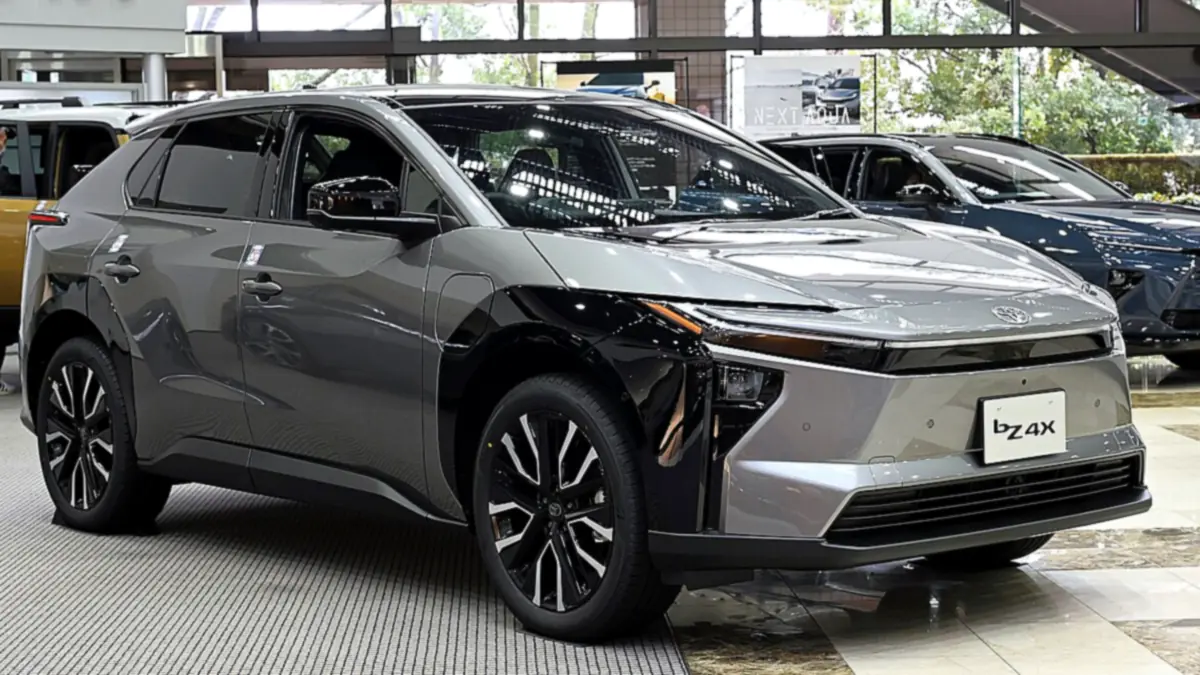
Yes. The Toyota Pony.ai robotaxi is a fully driverless bZ4X service that launched in Guangzhou on Nov 16, 2026, and passengers can hail it 24 hours a day. The same week, California ordered Waymo to pause driverless freeway rides over safety. Toyota is working toward around 1,000 bZ4X robotaxis across major Chinese cities, and the service is China-only for now. We explain what the service is, why Waymo lost its freeways, and what Toyota's second robotaxi partnership means for US readers.
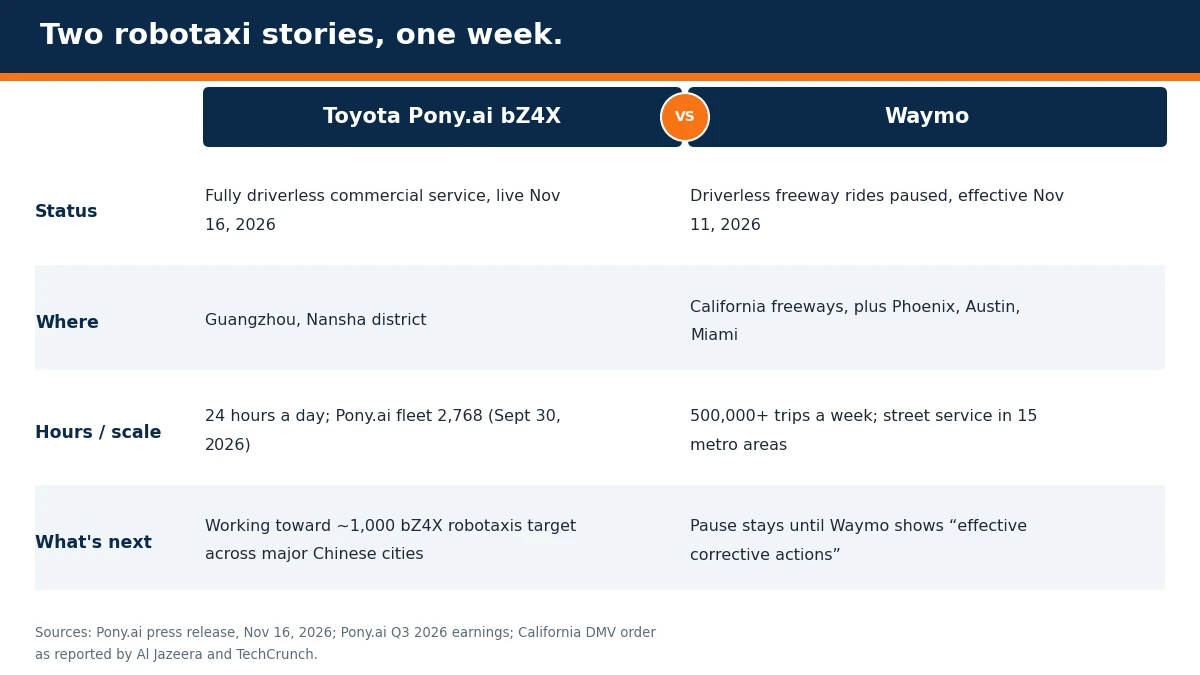
Two robotaxi stories, one week
| Toyota Pony.ai bZ4X | Waymo | |
|---|---|---|
| Status | Fully driverless commercial service, live Nov 16, 2026 | Driverless freeway rides paused, effective Nov 11, 2026 |
| Where | Guangzhou, Nansha district | California freeways, plus Phoenix, Austin, Miami |
| Scale | Pony.ai fleet: 2,768 robotaxis (Sept 30, 2026) | 500,000+ trips a week |
| What's next | Working toward ~1,000 bZ4X robotaxis across major Chinese cities | Pause stays until Waymo shows "effective corrective actions" |
Sources: Pony.ai press release, Nov 16, 2026; Pony.ai Q3 2026 earnings; California DMV order as reported by Al Jazeera and TechCrunch. Full sources at the end of this article.
Yes. The Toyota Pony.ai robotaxi is a fully driverless bZ4X service that launched in Guangzhou on Nov 16, 2026, and passengers can hail the car 24 hours a day. The launch lands the same week California ordered Waymo to pause driverless freeway rides. Pony.ai already runs 2,768 robotaxis (as of Sept 30, 2026), as per its third-quarter results.
What Is the Toyota Pony.ai bZ4X Robotaxi?
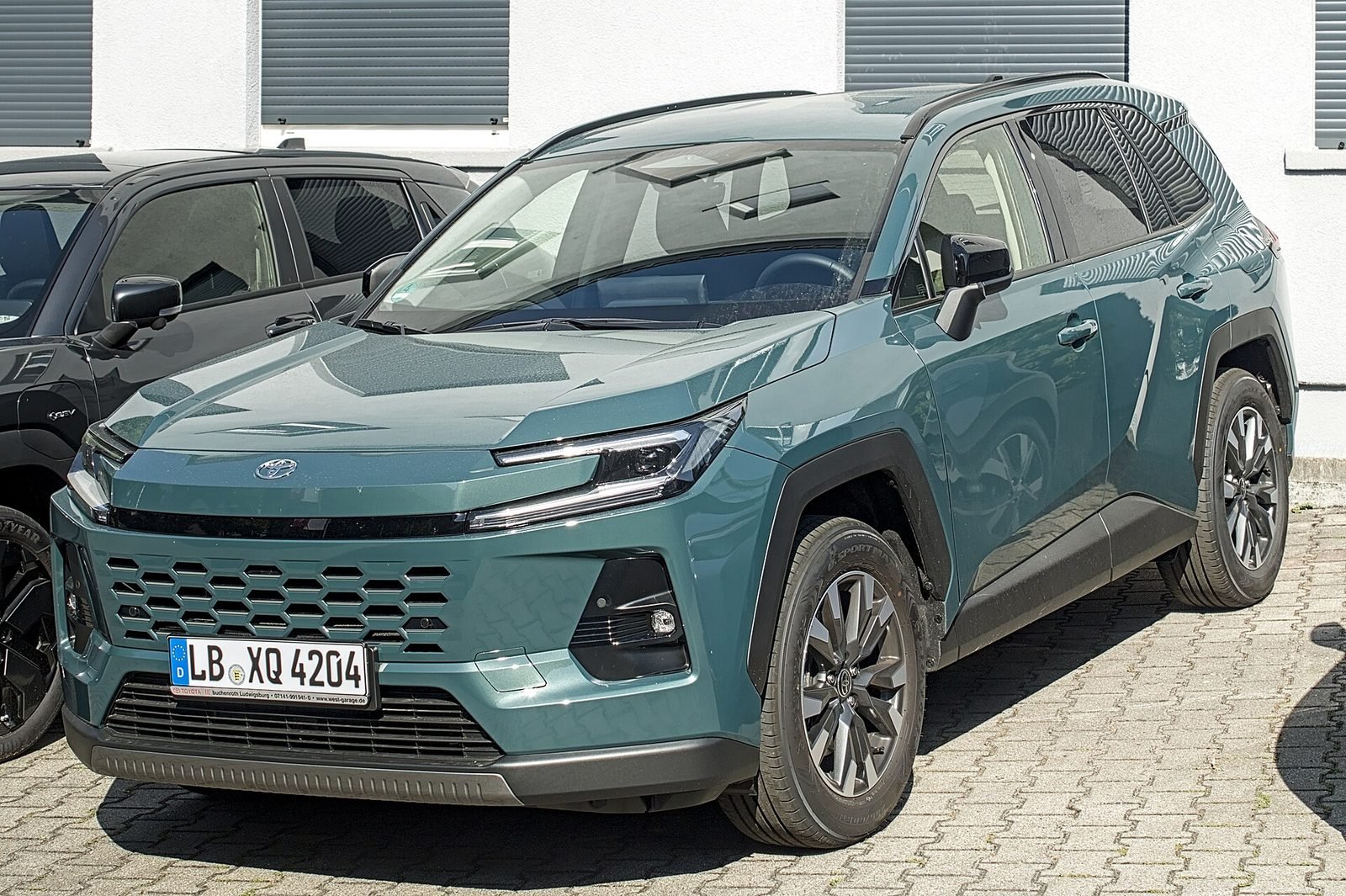
The Toyota Pony.ai robotaxi is a Toyota bZ4X electric SUV fitted with Pony.ai's seventh-generation self-driving system. Pony.ai and Toyota launched the car into fully driverless commercial service in Guangzhou on Nov 16, 2026, as per Pony.ai. No driver sits in the car. Passengers ride in a paid service, not a test.
The bZ4X is one of Pony.ai's three Gen-7 robotaxi models, as per Pony.ai.
The car was developed from the ground up for Level 4 autonomous driving, as per Pony.ai. Level 4 means the car drives itself within a defined area, with no human driver needed. Pony.ai worked with Toyota on redundancy and fail-operational capabilities, so the car can keep running safely if a system fails.
Pony.ai and Toyota have worked together on robotaxis since 2019, as per Pony.ai. Their services already run in Beijing, Shanghai, Guangzhou, and Shenzhen. In 2023, Pony.ai, Toyota Motor China, and GAC Toyota set up a joint venture with an investment of more than RMB 1 billion to speed up mass production and commercial deployment of robotaxis, as per Pony.ai. The first mass-produced bZ4X Robotaxi rolled off the line in Feb 2026, as per Pony.ai.
Dr. Luyi Mo, Vice President of Pony.ai, said the launch “demonstrates what can be achieved by combining Pony.ai's proven Level 4 autonomous driving technology with Toyota's world-class vehicle engineering and manufacturing expertise,” as per Pony.ai.
How the 24/7 Service Works
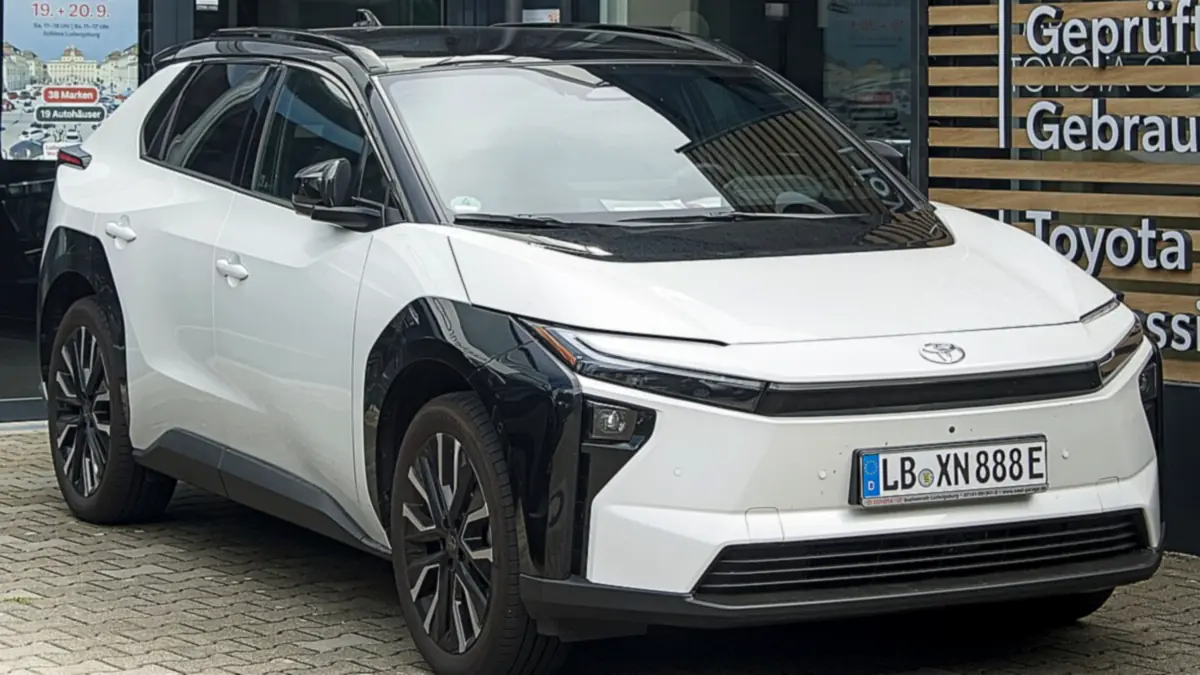
Passengers in Guangzhou can hail the Toyota Pony.ai robotaxi 24 hours a day through the PonyPilot app or through Pony.ai's mini-programs on WeChat and Alipay, as per Pony.ai. The service runs around the clock, with no driver on board at any hour.
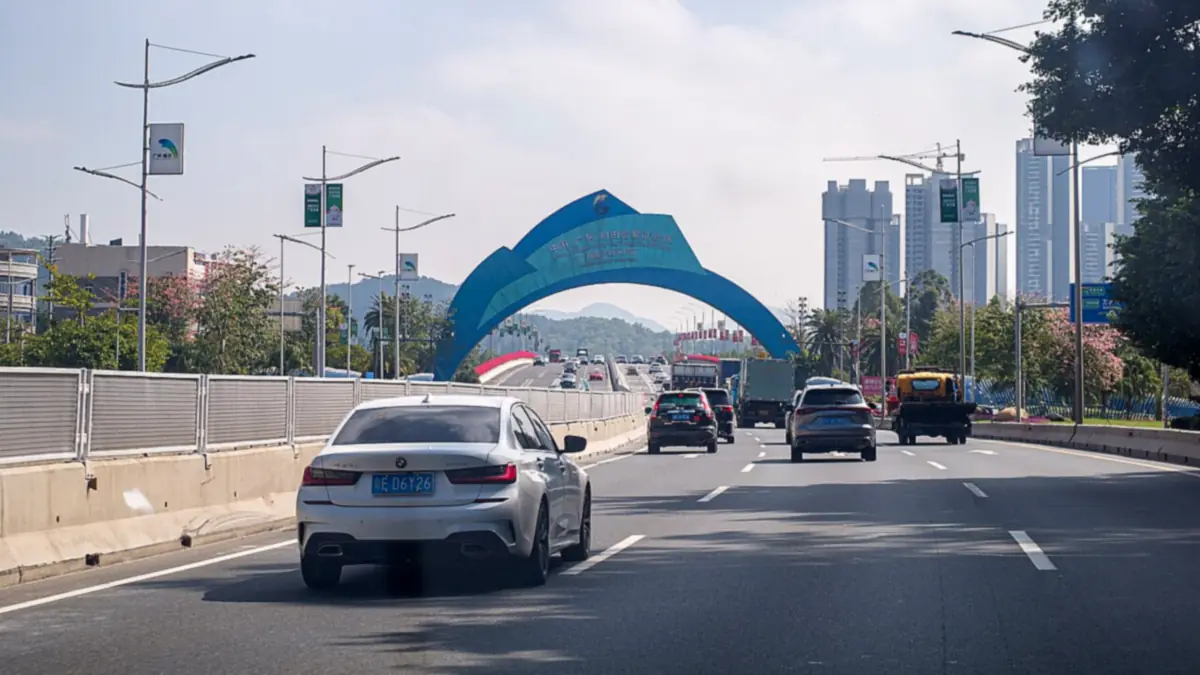
The service starts in Guangzhou's Nansha district, as per CnEVPost. Pony.ai's Guangzhou operating area has grown to over 1,000 square kilometers, forming a single connected service area across five districts, as per Pony.ai's third-quarter earnings. The companies are testing the model and preparing for deployment in other major Chinese cities, as per Pony.ai.
The car comes with Bluetooth-enabled keyless entry, an intelligent voice assistant, in-car entertainment, and personalized climate controls, as per Pony.ai. These are the passenger-facing features of a car built to carry riders with no driver.
The Numbers That Are Real — and the Ones That Aren't
The headline number is around 1,000. Pony.ai and Toyota are working toward a planned deployment of around 1,000 bZ4X robotaxis across major cities in China, as per Pony.ai. That is a target, not a count of cars on the road today. The companies did not say how many bZ4X robotaxis are in service in Guangzhou, what the fares are, or when the 1,000 will be reached. Do not read 1,000 as the Guangzhou fleet size.
Pony.ai's total robotaxi fleet reached 2,768 vehicles as of Sept 30, 2026, as per Pony.ai's third-quarter earnings. That figure covers all three Gen-7 models, not just the bZ4X. The company's full-year target is 3,500 vehicles in 20 cities worldwide by year-end, as per Pony.ai.
The business is growing fast. Pony.ai reported total revenues of $44.6 million in the third quarter of 2026, up 75.2% year over year, as per Pony.ai's third-quarter earnings. Robotaxi services brought in $17.8 million, up 165.4% year over year, or about 40% of total revenues, as per Pony.ai.
So the real numbers are the 2,768-vehicle fleet (as of Sept 30, 2026), the 3,500 target, and the $44.6 million in quarterly revenue. The number that is not real, as a current count, is 1,000. It is a plan. The Guangzhou fleet size, the fares, and the completion date have not been disclosed.
Why Waymo Lost Its Freeways
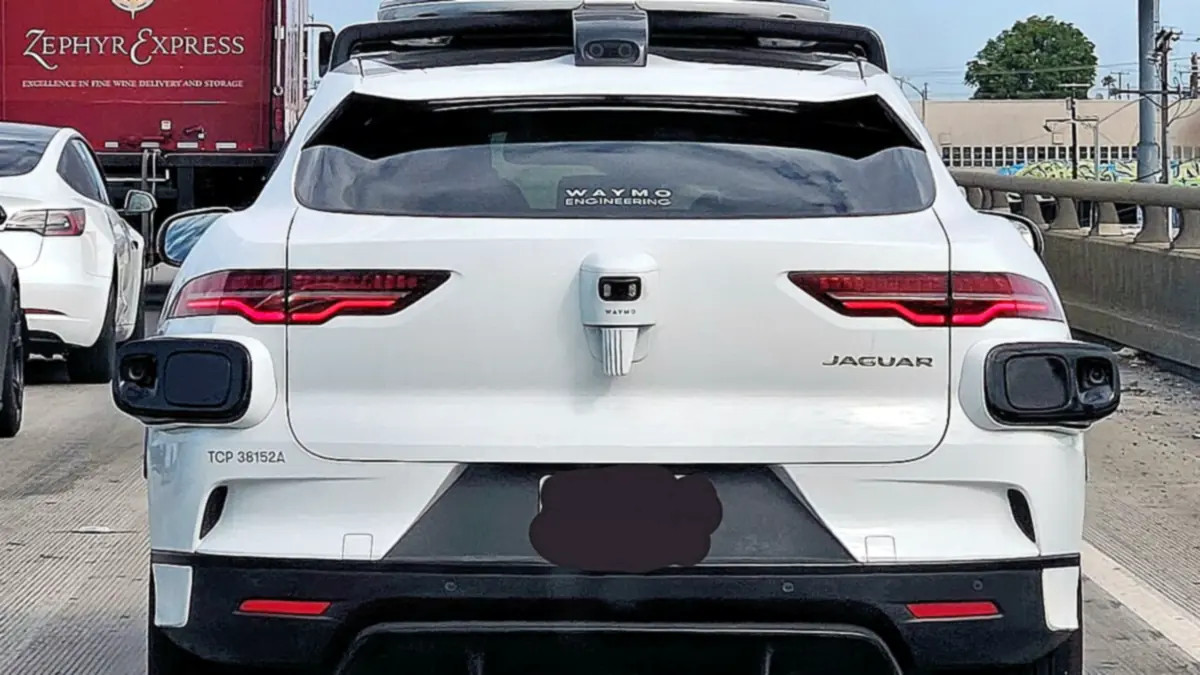
The same week Toyota's robotaxi went 24/7, Waymo lost its freeways. California's Department of Motor Vehicles ordered Waymo to pause driverless freeway operations, effective Nov 11, 2026, as per the California DMV via Al Jazeera. The order was made public on Nov 17, 2026.
The DMV said Waymo's driverless freeway operations pose an “imminent hazard to public safety,” as per the California DMV via Al Jazeera. The reason was recurring incursions by Waymo vehicles into active construction zones, where construction workers, vehicles, and equipment were present.
The DMV cited two incidents. On Nov 5, 2026, three Waymo vehicles drove into an active construction closure on US Route 101 near Burlingame, as per TechCrunch. On Nov 6, 2026, a Waymo vehicle tried to pass a California Highway Patrol blockade on Interstate 280, as per TechCrunch. The DMV cited similar incidents on May 18, 2026.
Waymo paused freeway rides in every market where it offers them, including Phoenix, Austin, and Miami, as per TechCrunch. Street service continues in 15 metropolitan areas, as per TechCrunch. Waymo continues freeway testing with trained autonomous specialists behind the wheel, as per TechCrunch.
There is no end date. The restriction stays until Waymo shows “effective corrective actions,” as per the California DMV via Al Jazeera. The National Highway Traffic Safety Administration said it is in contact with the DMV and with Waymo and will take further action as appropriate, as per TechCrunch.
This is not a small service. Waymo serves over 500,000 trips a week, as per Waymo via Electrek. Waymo began offering freeway rides in late 2025 and returned to freeways in July 2026 after a software update to improve performance around freeway construction zones, as per TechCrunch. This is the second time in 2026 Waymo has faced highway restrictions in California, as per TechCrunch.
Toyota's Two Robotaxis, Side by Side
Here is the part no top-10 page explains. Toyota has two different robotaxi partnerships, and they are easy to confuse. One is live now. The other does not start testing until 2027.
The first is Pony.ai in China. The Gen-7 bZ4X Robotaxi, built with Pony.ai's self-driving system, entered fully driverless commercial service in Guangzhou on Nov 16, 2026, as per Pony.ai. It carries paying passengers 24 hours a day. The partnership dates to 2019, as per Pony.ai.
The second is Waymo in Japan. Toyota will build driverless bZ electric crossovers using Waymo's hardware at its Takaoka plant in Japan, with the first models scheduled for initial testing and validation in 2027, as per InsideEVs. After Japan, the Waymo-powered robotaxi will make its way to the UK and other markets, as per InsideEVs.
Same car name. Different partner. Different self-driving system. Different timeline. The Pony.ai car is carrying paying passengers around the clock right now. The Waymo car does not start testing until 2027. And Waymo itself just lost its US freeways in the same week the Pony.ai car went live.
That contrast is the story. Toyota is running two robotaxi bets at once, and the one that is live today is the Chinese one, not the American one.
What This Means for US Readers
US readers cannot ride in the Pony.ai bZ4X. No US launch has been announced. The service is China-only, and Toyota's US robotaxi work runs through Waymo, with Japan first. Do not expect the Pony.ai bZ4X on American roads.
But the launch still matters for US readers. It shows Toyota can ship a driverless EV at scale while the US robotaxi leader is restricted. Waymo serves over 500,000 trips a week, as per Waymo via Electrek, and California just pulled it off freeways over safety. Toyota's Chinese partner is running 24/7 paid service with a car US readers know.
The bZ4X is Toyota's electric SUV, and it is a car US buyers can already buy. The robotaxi version is the same car, fitted with Pony.ai's self-driving system and built for Level 4 from the start. That is the link between the Guangzhou news and the US market: the car is familiar, even if the service is not here yet.
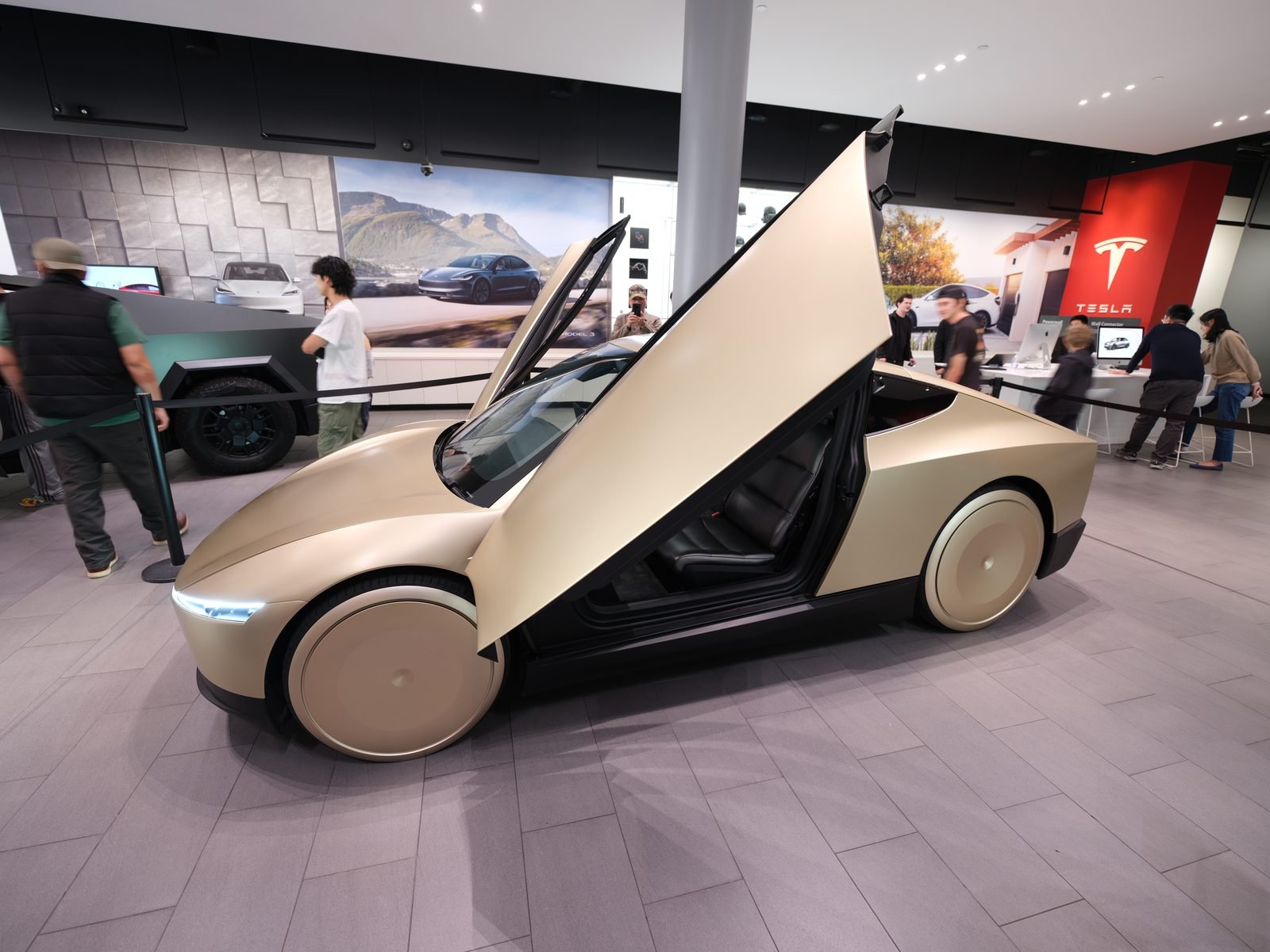
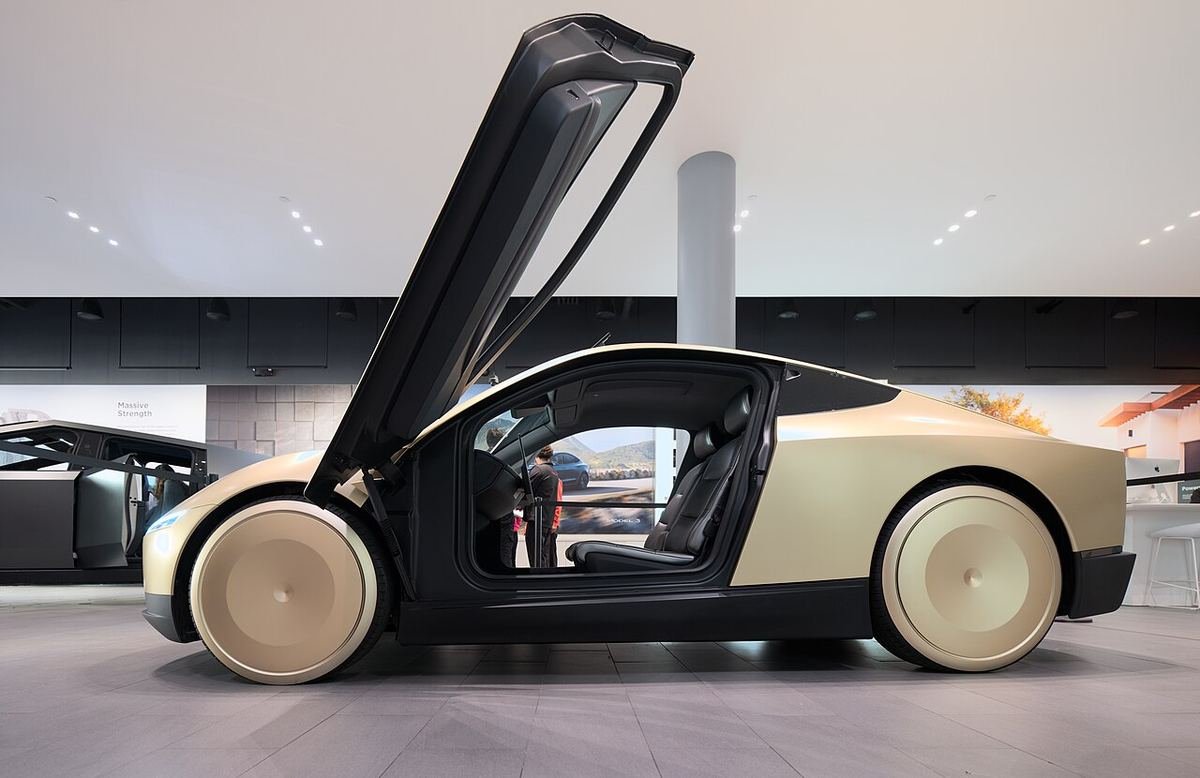
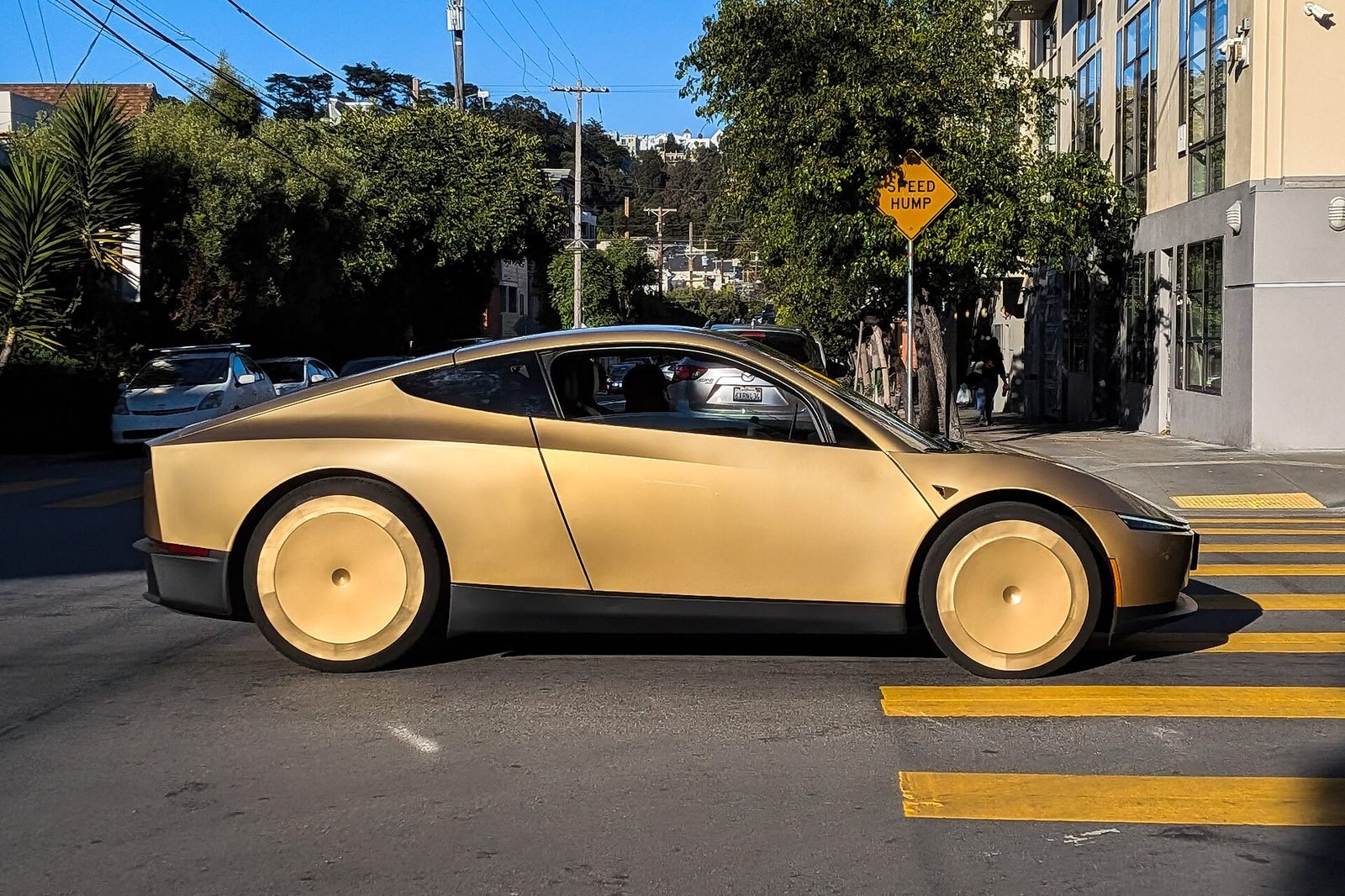
For the US robotaxi context, Tesla is running its own driverless service. We track Tesla's Cybercab robotaxi launch in Dallas, which is targeting 24/7 service by year-end. The US robotaxi race is now a three-way story: Tesla, Waymo, and Toyota's Chinese partner. Waymo is the one with a restriction. Tesla's Cybercab is targeting 24/7 service in Dallas by year-end, and Toyota's Pony.ai car runs 24/7 in Guangzhou.
Toyota's broader tech push is worth watching, too. We cover Toyota's software-defined vehicle plan for 2030, which is the software base its future cars will run on. The robotaxi work sits on top of that same software shift.
What Happens Next
Pony.ai is expanding toward its full-year target of 3,500 robotaxis in 20 cities worldwide by year-end, as per Pony.ai's third-quarter earnings. Watch whether the bZ4X service spreads beyond Nansha and whether the companies disclose a Guangzhou fleet count or fares.
| Date | What happened |
|---|---|
| Feb 2026 | First mass-produced bZ4X Robotaxi rolled off the line |
| Nov 5, 2026 | Three Waymo vehicles drove into a construction closure on US-101 near Burlingame |
| Nov 6, 2026 | A Waymo vehicle tried to pass a CHP blockade on I-280 |
| Nov 11, 2026 | California DMV ordered Waymo to pause driverless freeway operations |
| Nov 16, 2026 | Pony.ai and Toyota launched the fully driverless bZ4X robotaxi service in Guangzhou |
| Nov 17, 2026 | The DMV order was made public; Waymo confirmed the nationwide freeway pause |
| Nov 18, 2026 | Pony.ai reported third-quarter 2026 earnings |
Waymo has no end date for its freeway pause. The restriction stays until the company shows “effective corrective actions,” as per the California DMV via Al Jazeera. Watch for Waymo's fix and for the DMV's response. The NHTSA crash data on Tesla's robotaxi program shows regulators are watching every driverless program closely, not just Waymo's.
Toyota's Waymo partnership starts testing in Japan in 2027, as per InsideEVs. That is the next date to watch on the Toyota side. The US EV market, one year after the tax credit ended, is the backdrop for all of it: the cars are here, the rules are still being written, and the companies that ship first set the terms.
Frequently asked questions
Can I ride in a Toyota Pony.ai robotaxi?
No, not in the US. The service runs in Guangzhou, China, starting in the Nansha district. No US launch has been announced, and the Pony.ai service is China-only.
Is the bZ4X robotaxi really driverless?
Yes. The service is fully driverless commercial operation, with no driver on board, as per Pony.ai. The bZ4X was developed from the ground up for Level 4 autonomous driving, as per Pony.ai.
How many bZ4X robotaxis are on the road in Guangzhou?
The companies have not said. Around 1,000 is a planned deployment target across major Chinese cities, not the Guangzhou fleet size, as per Pony.ai. No Guangzhou fleet count, fares, or completion date have been disclosed.
Why did Waymo lose its freeways?
California's DMV ordered Waymo to pause driverless freeway operations, effective Nov 11, 2026, after its vehicles kept driving into active construction zones, as per the California DMV via Al Jazeera. The order covers freeways only. Waymo still runs on city streets in 15 metro areas.
How We Verified This Data
We checked the launch date, the 24-hour service, and the 1,000-vehicle target against Pony.ai's Nov 16, 2026 press release, the fleet and revenue figures against Pony.ai's third-quarter 2026 earnings, and the Waymo freeway pause against the California DMV order as reported by Al Jazeera and TechCrunch. Every number in this article comes from those sources, and each one is named next to the number it backs.
Sources
- Pony.ai / Toyota press release, Nov 16, 2026 — Pony.ai and Toyota Launch Fully Driverless Commercial Services with Gen-7 bZ4X Robotaxi
- Pony.ai Q3 2026 earnings, Nov 18, 2026 — Total revenues up 75.2% YoY to US$44.6 million
- Al Jazeera, Nov 18, 2026 — Waymo suspends driverless freeway rides across US after California ban
- TechCrunch, Nov 17, 2026 — Waymo suspends freeway rides nationwide after California DMV order
- Electrek, Nov 17, 2026 — Waymo halts highway operation nationwide after CA DMV pause
- InsideEVs, Oct 30, 2026 — Toyota Is Turning The bZ EV Into A Waymo Robotaxi, Starting in 2027
- CnEVPost, Nov 16, 2026 — Pony.ai and Toyota launch driverless bZ4X robotaxi service in Guangzhou