The quick answers
| Question | Answer |
|---|---|
| What happened? | Kadena Air Base began barring all BYD vehicles from entering, effective the weekend of October 24–25, 2026 |
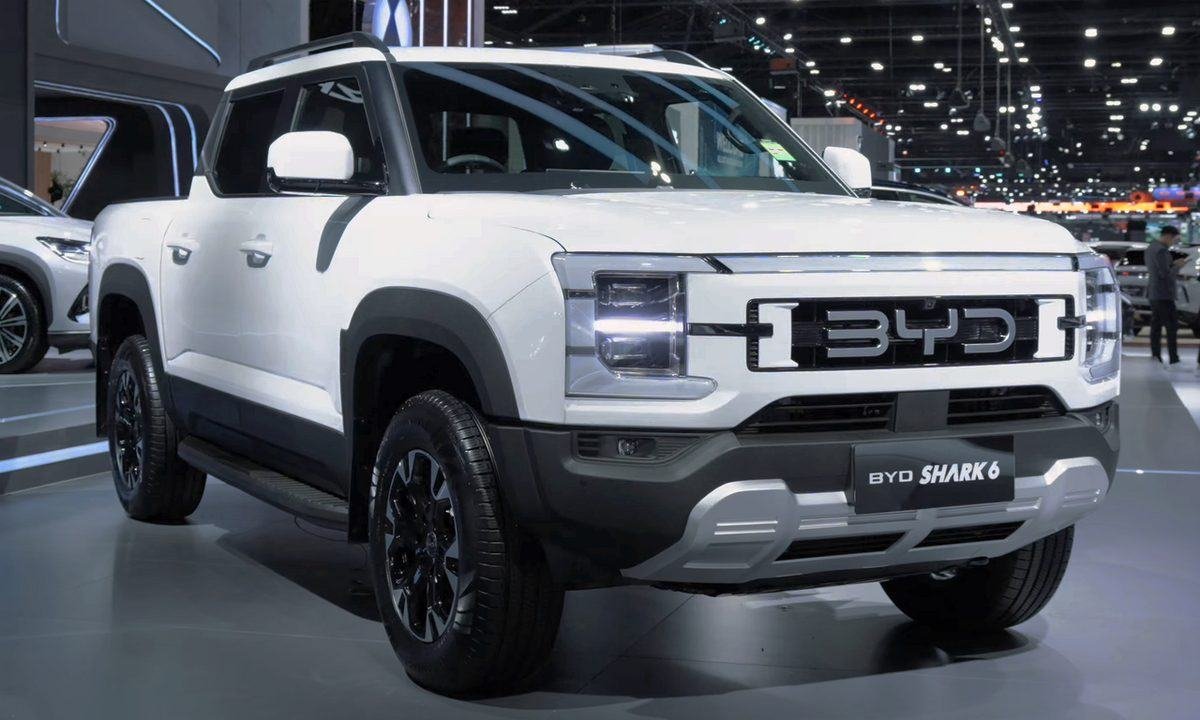
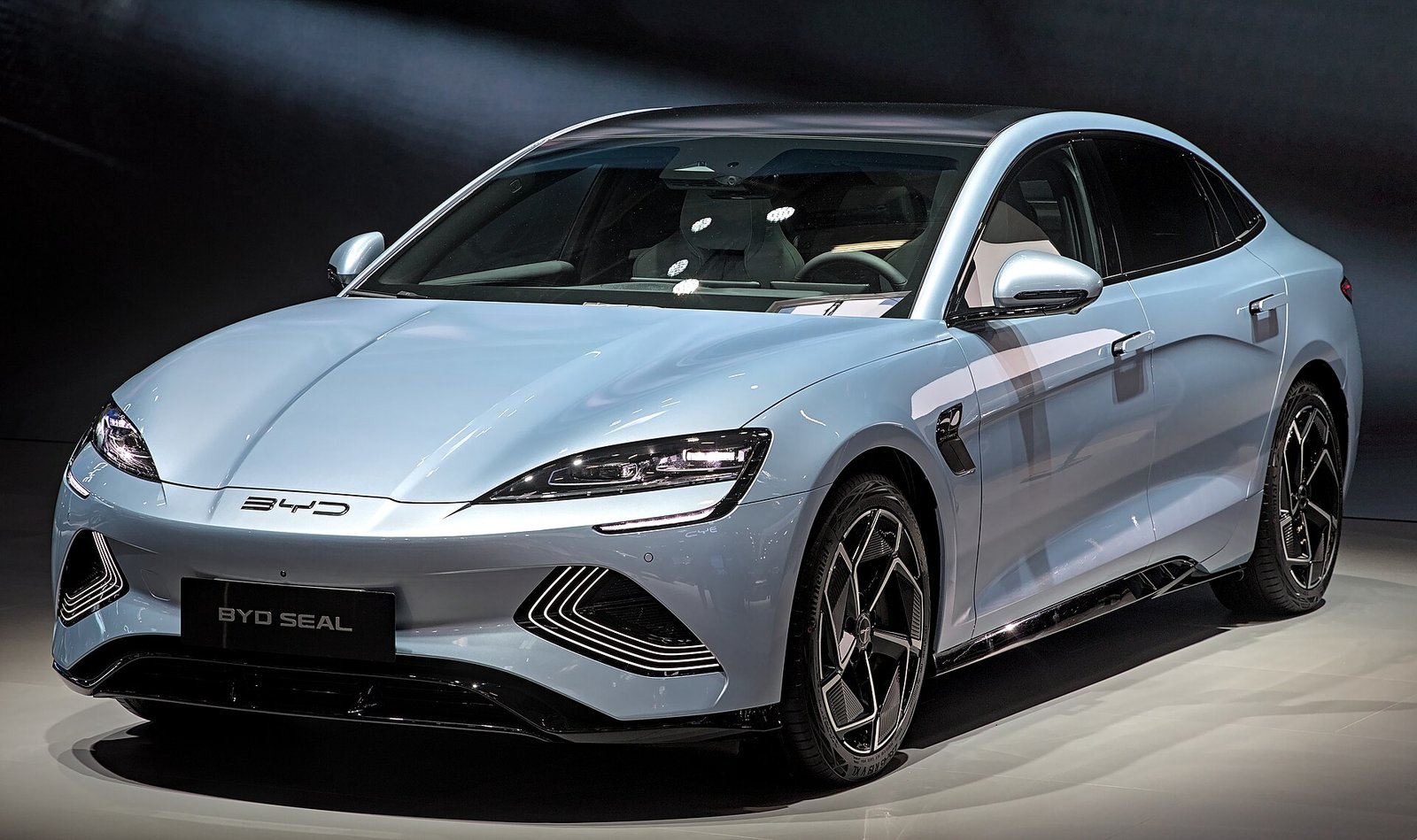
| Which vehicles? | Every BYD — privately owned cars, taxis, delivery trucks, contractor and commercial vehicles |
| Who ordered it? | 18th Wing commander Brig. Gen. John Gallemore, “after a thorough, consultative process” |
| The stated reason | “Unacceptable and unmitigable risk to our personnel and our mission” (Lt. Col. Alli Stormer, 18th Wing spokesperson) |
| Is it all US bases? | No — Kadena is currently the only US base in Japan with the ban; Korean Peninsula bases are not affected |
| The Pentagon backdrop | BYD was added to the 1260H “Chinese military companies” list in June 2026 (188 entities) |
| BYD’s response | The company rejected the 1260H designation and says it will pursue legal options |
What the ban actually does
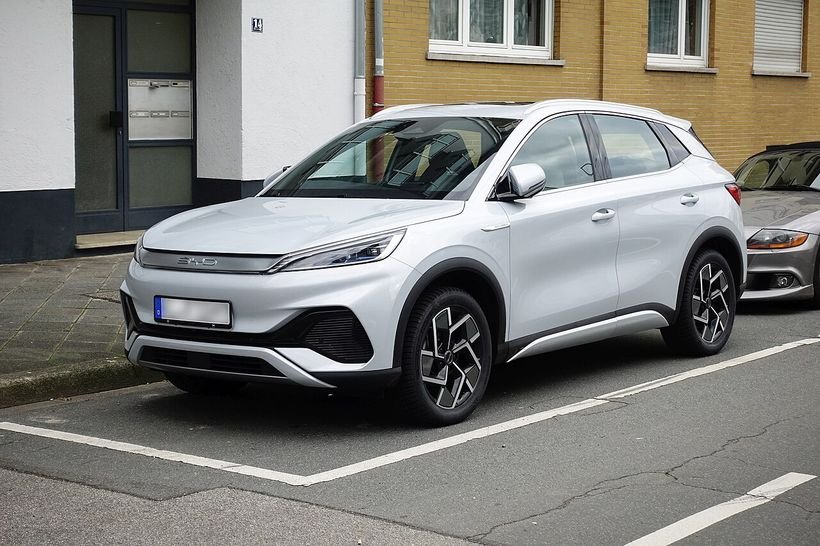
The order is simple and total — at Kadena’s gates. Security personnel at every access point have been instructed to stop any vehicle wearing a BYD badge and turn the driver around. Military.com reports the ban covers privately owned cars belonging to service members, and the Taipei Times confirms it extends to taxis and delivery vehicles — the commercial lifeblood of any base town.
For troops stationed at Kadena who bought a BYD — and there are some, since Okinawa got its first BYD dealership in September — the effect is immediate and personal: your car can no longer come home with you. For the taxi and delivery fleets that serve the base daily, it means rerouting or replacing vehicles.
Why Kadena, and why now
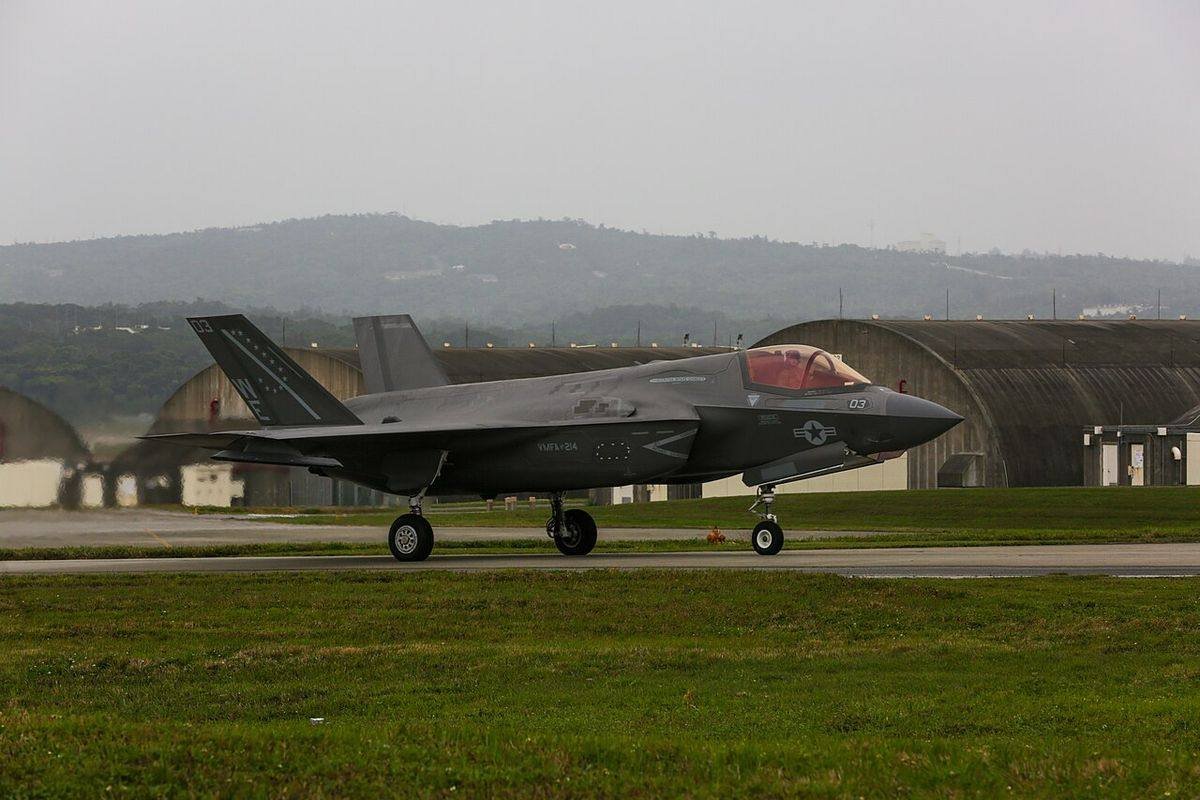
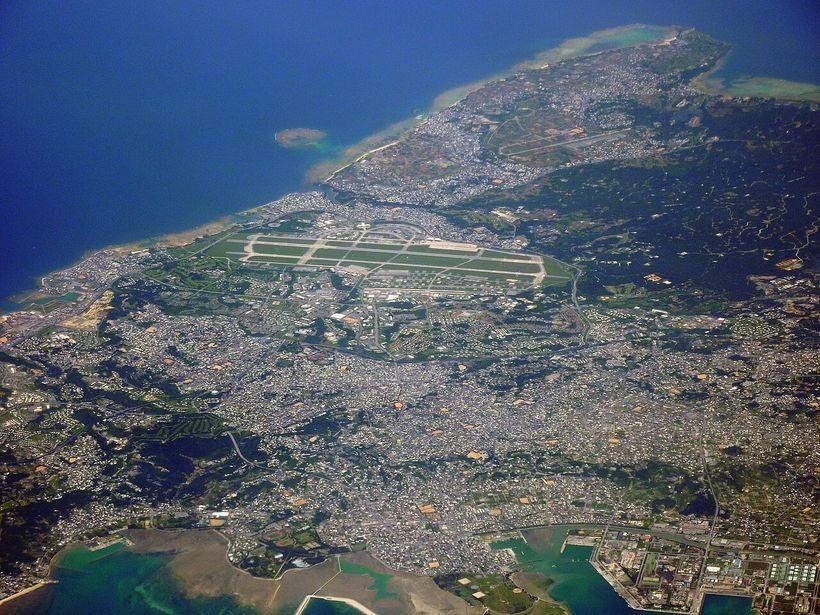
Kadena isn’t just any base. Sitting roughly 400 miles from Taiwan, it’s the biggest US Air Force installation in East Asia and the hub Washington would lean on in any regional crisis involving China, Russia or North Korea. It hosts fighter squadrons, refueling wings, reconnaissance platforms — and a Typhon missile system able to fire Tomahawks some 1,600 kilometers.
The specific worry, according to South Korea’s Yonhap news agency, is information leaking through the cameras, sensors and GPS units built into modern connected cars. A BYD rolling past a flight line is, in the counterintelligence view, a rolling sensor package — high-resolution cameras, continuous location logging, microphones, always-on connectivity. The 18th Wing hasn’t named a specific incident, and Stars and Stripes reporting notes the wing hasn’t specified exactly which risks tipped the decision or whether the Pentagon’s June designation drove it.
The Pentagon’s 1260H list — the bigger picture
The base-level ban didn’t come out of nowhere. On June 8, 2026, the Pentagon updated its Section 1260H list of “Chinese military companies” — firms it says operate in the US and contribute to China’s defense industrial base — adding 65 entities including BYD, Alibaba, Baidu and fellow automaker NIO. The roster now holds 188 names. WilmerHale’s analysis notes the Federal Register cited BYD’s affiliations with Chinese government agencies and its role as a “military-civil fusion contributor.”
What the listing does: it bars the Pentagon from contracting with listed firms — a broader procurement ban on their goods and services takes effect June 30, 2027. What it doesn’t do: ban anyone’s car from a base gate. The Kadena order is a separate, operational decision by a wing commander, not an automatic consequence of the list. BYD, for its part, rejected the designation and says it will fight it through administrative and legal channels.
There’s precedent for this kind of move. In 2018 the Pentagon banned Huawei and ZTE phones from base exchanges worldwide over similar data-routing fears. And the mirror image exists too: China has barred Teslas from government and military compounds over worries about their cameras. Connected cars make every government nervous — just about different manufacturers.
Will the ban spread?
Right now, no. US Forces Japan spokesman Col. John Severns confirmed Kadena is the only American base in Japan enforcing the restriction, and the vehicles are not barred from US installations on the Korean Peninsula. But the speculation is already running: Yonhap has reported that similar measures could follow at US bases in South Korea, where the military pulled some 1,300 Chinese-made surveillance cameras off bases in 2024 over fears footage could route to servers in China.
The timing adds an edge. BYD opened its first Okinawa dealership — in Tomigusuku city — on September 5, barely seven weeks before the ban. The company is pushing into Japan’s market just as the US military in Japan is walling its cars out. Those two trends are on a collision course, and Kadena is where they met first.
And the federal scrutiny isn’t aimed only at Chinese brands. Tesla faces its own high-stakes deadline the same week: the company must file sworn answers with NHTSA by October 30 on how it self-certified the steering-wheel-free Cybercab — here’s what today’s deadline means and what happens next.
The bottom line
This isn’t a ban on BYD cars — it’s a ban on BYD cars at one base, and that distinction is the whole story. No Pentagon-wide vehicle blacklist exists, no other base has followed yet, and the 1260H listing is about procurement, not parking. But Kadena is the base Washington would need most in a Pacific crisis, and its commander just decided the world’s best-selling EV maker’s cars are too risky to let inside. Whether that stays a local call or becomes the template, every other US installation in the Pacific is now watching — and so is BYD.