You plug in at night expecting a full battery by morning. Instead you wake up to 60%, and FordPass is flashing "Charge Station Fault." Before you assume the worst — or book a dealer appointment weeks out — know this: the fault is almost never your battery. It's heat, somewhere in the charging path between your breaker panel and the car's port, and your Ford did exactly what it was designed to do by throttling or stopping the session.
Why the port overheats: it's the house, not the car
Here's the physics. Your Mach-E or Lightning pulls up to 48 amps continuously for hours on a Level 2 home charger. That's an enormous, sustained load — and any weak point in the circuit turns into a heater. The usual suspects, in order:
Loose terminal lugs. The #1 cause. If the electrician who installed your 240V outlet or hardwired station didn't torque the terminal screws to spec, the connection has slightly high resistance. At 48 amps, "slightly high" becomes hundreds of watts of heat — right at the outlet or breaker.
Cheap NEMA 14-50 outlets. The $15 dryer outlet from the hardware store was never designed for 8 hours of continuous EV current. EV-rated industrial outlets (Hubbell, Bryant) exist for exactly this reason, and the price difference is trivial compared to a melted receptacle.
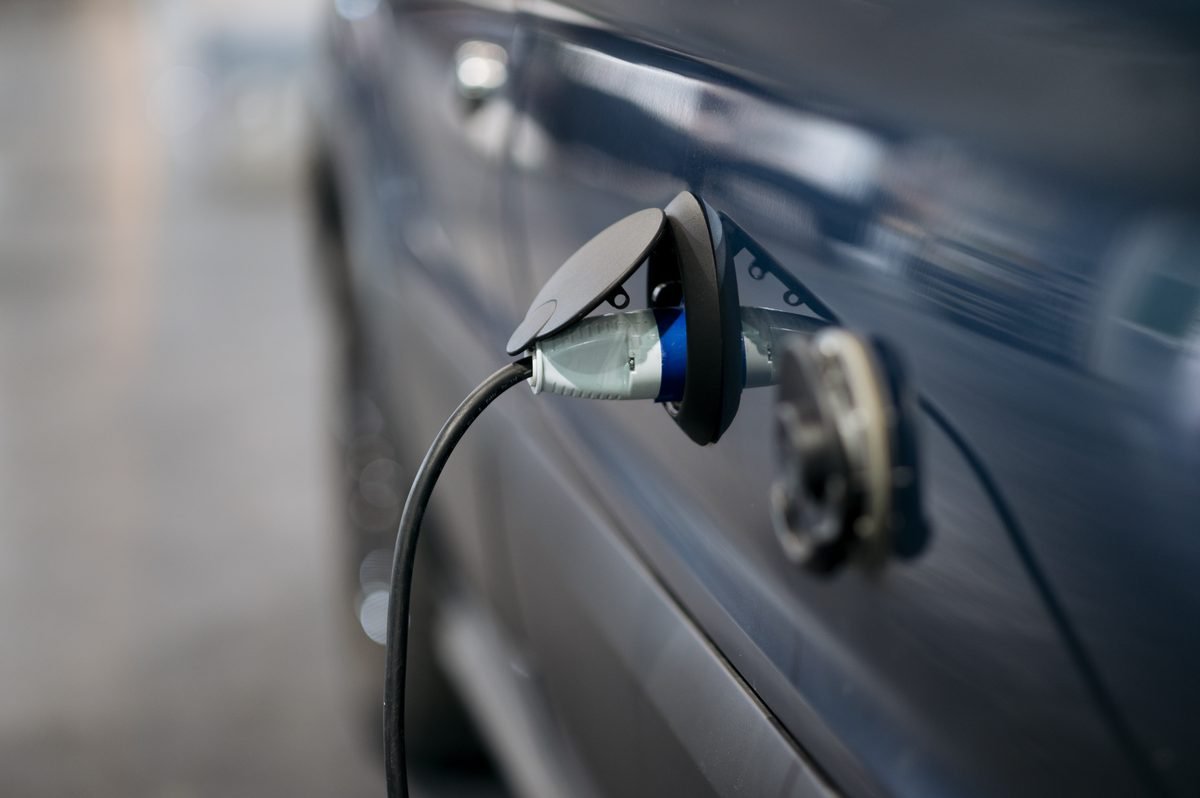
Degraded charge handle. Worn pins and fatigued internal crimps in the charging handle itself create resistance at the car end. If the handle is hot but the wall outlet is cool, the handle is your problem.
When the car's inlet temperature sensors detect the spike, the vehicle protects itself: first by throttling from 11.5 kW down to around half speed, then by killing the session entirely. That "fault" is your car saving itself — and possibly your house.
The 4-step diagnostic: find the hot spot tonight
Step 1: Feel the handle (carefully). Right after a failed session, unplug and touch the charging handle — not the pins, the plastic body. Warm is normal; too-hot-to-hold or a burnt-plastic smell means the handle or its internal connections are failing. A degraded handle needs replacement, not repair.
Step 2: Swap to the mobile charger. Unplug your wall station and try Ford's mobile charger on a different 240V outlet (or even 120V overnight as a test). If the car charges cleanly, the fault lives in your wall station or its circuit — not the car. If it faults on every power source, the car's charge port or onboard charger needs dealer attention.
Step 3: Check the outlet and breaker (look, don't touch). With the breaker OFF, look at the NEMA outlet face for discoloration, melting, or warping around the slots. Sniff for burnt plastic. At the panel, look for scorch marks around the EV breaker. If you see any of this, stop — that's electrician territory, today, not next week.
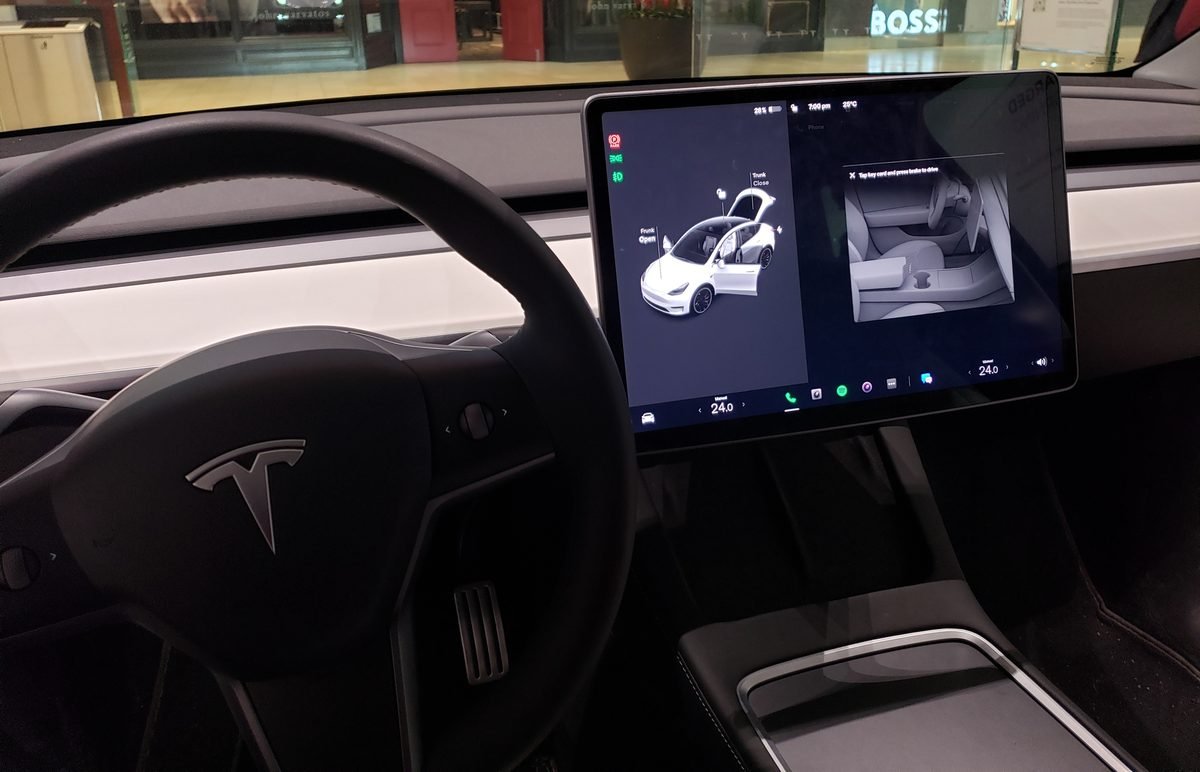
Step 4: Reboot SYNC to clear phantom faults. Sometimes the car keeps showing a stale fault after everything has cooled. Do a SYNC system reset: hold the Power button (center of the volume knob) and Seek Right together for 10 seconds. On vehicles without a power button, hold Volume Down + Seek Right on the steering wheel instead. This clears the error loop without wiping your settings.
The NEMA 14-50 problem: your outlet matters more than your charger
Here's something most EV owners never hear: the standard NEMA 14-50 outlet — the same receptacle your dryer uses — was designed for intermittent loads, not 8 hours of continuous 40-amp EV charging. The cheap residential-grade versions (the $15 ones) use thin contact blades and minimal clamping force. Under sustained EV current, those contacts heat up, loosen microscopically, heat more — a slow feedback loop that ends in a melted outlet.
The fix is an EV-rated industrial outlet — Hubbell and Bryant make the ones electricians trust, with heavier contacts designed for continuous loads. They cost $80–100 instead of $15, which feels absurd until you compare it to a house fire. If your home charging runs through a NEMA 14-50, ask your electrician which brand is in your wall. If they don't know or it isn't industrial-grade, replace it. This single component is behind a disproportionate share of "charge station fault" complaints.
Hardwired vs plug-in: which is actually safer?
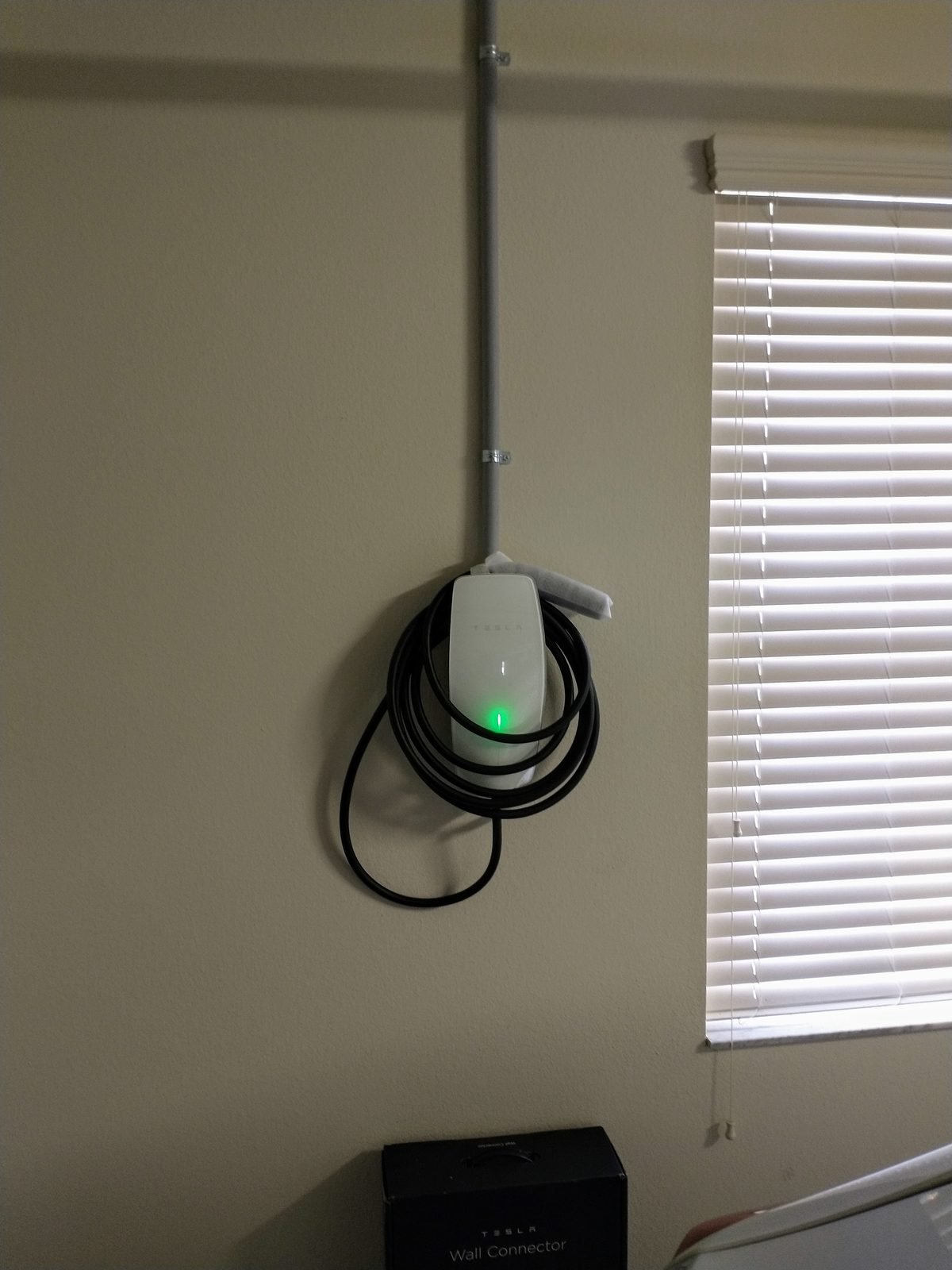
For daily EV charging, hardwired is the safer choice — and it's not close. A hardwired station eliminates the outlet entirely: the wires land directly on the charger's terminal block, torqued to spec, with no plug blades to loosen over time. Every connection point you remove is a heat source you remove.
Plug-in setups (NEMA 14-50 + portable cord) exist for flexibility — renters, people who take the charger on trips — but they add two extra mechanical connections (plug-to-outlet, and the outlet's internal contacts) that all degrade with thermal cycling. If you own your home and charge daily, the $200–400 for an electrician to hardwire the station pays for itself in eliminated risk. Keep the mobile cord in the frunk for travel; don't make it your daily driver.
What your electrician should actually check
When the electrician arrives, here's what a competent EV-circuit inspection covers — so you know if they're thorough or just guessing:
Terminal torque: every lug in the circuit (breaker, outlet, charger terminals) torqued to the manufacturer's spec with a torque screwdriver — not "hand tight." This is the single most common failure point.
Wire gauge: 6 AWG copper minimum for a 50A circuit, 4 AWG for 60A. Undersized wire runs hot by design.
Breaker rating: the breaker must be rated for continuous load at 125% of the charging current — a 48A charger needs a 60A breaker, not a 50A.
Outlet grade: industrial EV-rated receptacle, as above.
Panel capacity: confirm the panel has headroom for the sustained load alongside the rest of the house.
If your electrician waves off torque specs or says "it's tight enough," get a second opinion. This is settled electrical science, not opinion.
Ford settings that reduce thermal stress
While you wait for the electrician, you can reduce the load tonight. In the FordPass app or the car's charging settings, lower the maximum charge current — dropping from 48A to 32A cuts heat generation dramatically (heat scales with the square of current, so this is a bigger win than it sounds). You'll charge slower, but you'll charge without faults. Also set a departure time instead of charging immediately at 6pm — spreading the session into cooler overnight hours helps everything run cooler, and off-peak rates save money too.
When to stop: the danger signs
Stop troubleshooting immediately and call an electrician if: the breaker trips more than once; you hear buzzing, humming, or sizzling from the panel or outlet; you see any melting, discoloration, or burnt smell; or the fault returns within minutes of a reset. Repeated thermal faults can damage the car's onboard charge module — and a warranty claim can be denied if the cause was faulty home wiring. This is the point where DIY ends.
Still getting the fault? Get a vetted local EV electrician
Charge station faults caused by loose lugs, undersized wiring, or cheap outlets need a licensed electrician — not a dealer visit. Get a fast quote from a certified local pro:
The tax credit angle
If the fix requires panel work, a new EV-rated outlet, or rewiring, check the Section 30C Alternative Fuel Vehicle Refueling Property Credit — it can offset 30% of home charging installation costs up to $1,000. Keep your electrician's itemized invoice; your tax preparer will want it. (Not tax advice — confirm eligibility for your situation.)
Why it worked fine for months, then failed
The most common question, and the answer is thermal cycling. Every charge session heats the wires; every cooldown contracts them. Over hundreds of cycles, that expansion and contraction slowly backs out terminal screws that weren't torqued to spec — a connection that was safe on day one becomes resistive and hot within a year. This is also why the fix isn't just "tighten it and forget it" — have the electrician verify wire gauge, torque specs, and outlet rating all at once.
Frequently asked questions
Can I drive my Ford EV to a public charger if it shows Charge Station Fault?
Yes. The fault indicates a thermal issue in your home Level 2 setup, not a defective traction battery. Driving to a public DC fast charger bypasses the home circuit entirely and is safe.
Does the federal EV tax credit cover charger circuit repairs?
The Section 30C credit can offset 30% of installation costs up to $1,000 for home charging equipment, which may apply to panel upgrades or rewiring done for EV charging. Consult a tax professional for your situation.
Why did my Ford charge fine for months before the fault started?
Heating and cooling cycles from daily high-current charging cause wires to expand and contract, slowly loosening poorly torqued terminal screws. A connection that was fine on day one can become resistive and hot within a year.
How do I reboot SYNC 4 in a Mach-E or Lightning?
Hold the Power button (center of the volume knob) and the Seek Right button together for 10 seconds. On vehicles without a power button, hold Volume Down and Seek Right on the steering wheel for 10 seconds.
Should I replace my NEMA 14-50 outlet with an EV-rated one?
If you charge daily through a standard residential-grade 14-50, yes — it's one of the highest-value safety upgrades you can make. Industrial EV-rated outlets (Hubbell, Bryant) have heavier contacts built for continuous loads. Better yet, have the station hardwired and eliminate the outlet entirely.
Can I just lower the charging amps and ignore the fault?
Lowering amperage is a valid temporary measure — it dramatically reduces heat — but it's not a fix for a degraded connection. If the fault was caused by loose lugs or a cheap outlet, the underlying problem is still getting worse. Use the lower setting to charge safely tonight, then get the electrician.
The bottom line
A Charge Station Fault is your Ford protecting itself — and possibly your house — from a thermal problem in the charging circuit. The diagnostic sequence above finds the hot spot in one evening; the electrician fixes it permanently in one visit. Don't ignore it, don't just keep resetting it, and don't let anyone tell you it's "just a software glitch" when the outlet is melting.