SpaceX and Tesla could announce a merger as soon as December, Bloomberg reported on Thursday, November 12. The talks have moved past the idea stage: both boards and their advisers are now working out the terms of a deal and how the combined company would be run. Nothing is signed, and the announcement could still slip into early 2027 — but the timeline is now measured in weeks, not years.
If it happens, it would be the biggest merger ever. SpaceX is worth more than $1.9 trillion after its June stock market listing, and Tesla is worth about $1.5 trillion. Put together, the two companies would be worth about $3.4 trillion.
The logic, according to Bloomberg’s sources, is artificial intelligence: one company spanning rockets, driverless cars, and humanoid robots. For Tesla drivers, that sounds far away from the car in the driveway. But the same tech that would power the deal — self-driving software, the chips that run it, and the robots Tesla is building — is already shaping what your next Tesla can do. Here is what we know, what is still open, and what it would mean for you.
The news, in 30 seconds
Bloomberg broke the story on Thursday, November 12, citing people familiar with the matter, and Reuters carried the report the same evening. The key line: SpaceX and Tesla are progressing in their merger talks, and a deal could be announced as soon as December. The same sources said early 2027 is also on the table if the talks run long.
Neither company has confirmed the report, and both declined to comment. But this is not the first we have heard of it. In October, Musk said the boards of both companies had formed special committees of independent directors to study a combination, and on SpaceX’s third-quarter earnings call he called a merger with Tesla “a good idea.”
The market moved on the news. Tesla shares rose as much as 1.9 percent on Thursday and closed up 1.7 percent at $397.45 — up 15.6 percent over the previous five trading sessions. SpaceX shares were steadier, closing up 0.1 percent at $139.94.
| The deal at a glance | |
|---|---|
| Earliest announcement | December 2026 (early 2027 also discussed) |
| SpaceX market value | More than $1.9 trillion |
| Tesla market value | About $1.5 trillion |
| Combined value | About $3.4 trillion |
| Next date to watch | Tesla annual shareholder meeting, December 3 |
Figures as reported by Bloomberg, Reuters, and CoinDesk on November 12–13, 2026. No deal has been signed.
What is agreed, and what is still open
Here is where the talks stand, based on what has been reported and what the companies have put on the record.
Agreed, or at least not in dispute: both boards have set up special committees, and both sides are talking. Musk backs the idea in public. And SpaceX going public in June made the mechanics of a deal possible — before that, there was no listed SpaceX stock to offer Tesla shareholders. Musk became the world’s first trillionaire on the back of that listing, and Tesla’s third-quarter earnings call confirmed the committees were in place.
Still open: the price. The two sides are working out how many SpaceX shares Tesla investors would receive, and reports describe that exchange ratio as one of the key points in the talks. Governance is open too — how the combined company would be run, and who sits where.
And the official record is thinner than the headlines. SpaceX’s quarterly filing from October 22 says its special committee has made no determination about any combination. That is the last word either company has put in writing, and it matters: until a filing says otherwise, this is a negotiation, not a deal.
One more thing is settled: the two companies already work together. They share a chip venture called Terafab, which is building a semiconductor plant in Texas. Musk said on the earnings call that the first test chip should be produced around May or June of next year, with volume production aimed at the third quarter of 2028. A merger would fold that venture inside one company instead of two.
What SpaceX brings

SpaceX is the bigger half of the deal by value, and it is not a car company. It launches rockets, runs Starlink — the satellite internet network — and, since June, it has been a public company with a market value above $1.9 trillion.
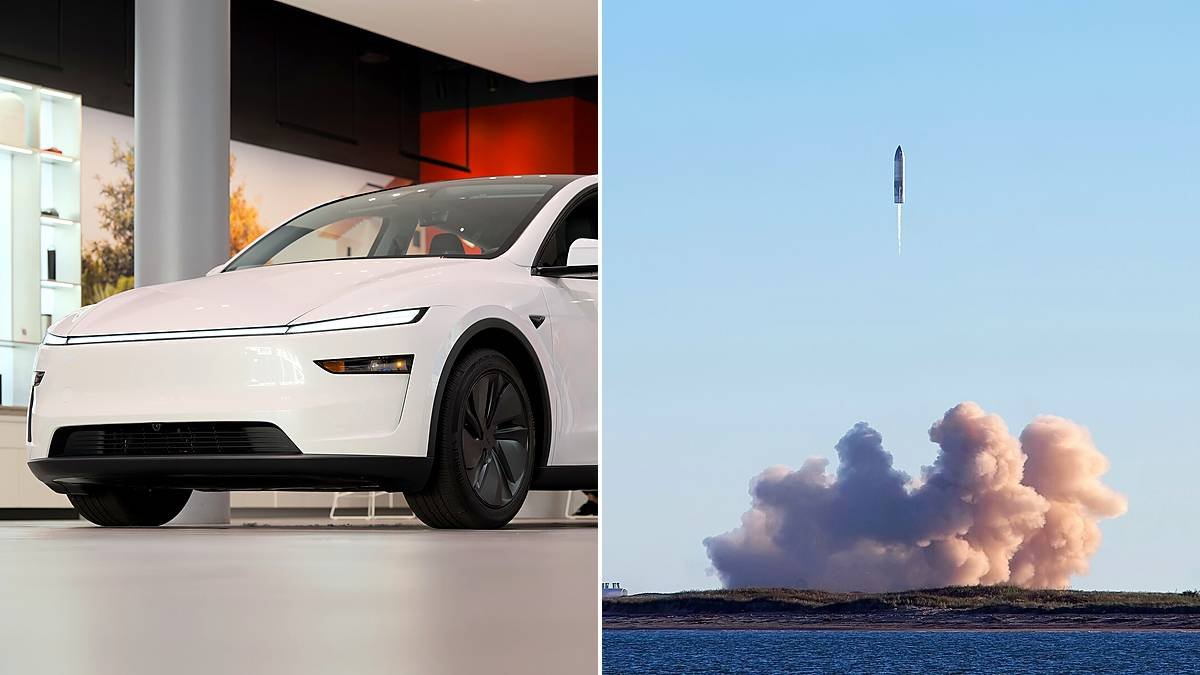
What it brings to a combined company is scale and cash flow. Starlink sells internet to millions of customers, and SpaceX has become a supplier of AI infrastructure, selling computing capacity to companies including Anthropic. The Starship rocket is the other half of the story: the biggest rocket ever built, and the one Musk wants to use to reach Mars.
SpaceX president Gwynne Shotwell acknowledged possible synergies between the two companies back at the June IPO, without confirming any deal. The overlap is real enough on paper: rockets and cars both need batteries, software, and manufacturing at scale, and both companies are building AI systems that have to work in the real world, not just in a data center.
What Tesla brings: cars, robots, and chips
Tesla brings the car business — and, increasingly, everything around it. The company delivered 486,532 vehicles in the third quarter of 2026, its second straight quarter above 480,000. The Model Y is still the best-selling EV in America, and the Model 3 starts at $36,990.
But the car business is not what would drive this deal. Tesla’s bet is that its future is autonomy and robots. Its Texas robotaxi fleet passed Waymo’s in size this month, with 1,302 vehicles registered against Waymo’s 1,297 in Texas DMV records as of November 10. Unsupervised robotaxi miles jumped eightfold in the quarter to nearly 2 million. And 1.74 million customers now pay for Full Self-Driving, up 67 percent from a year ago.
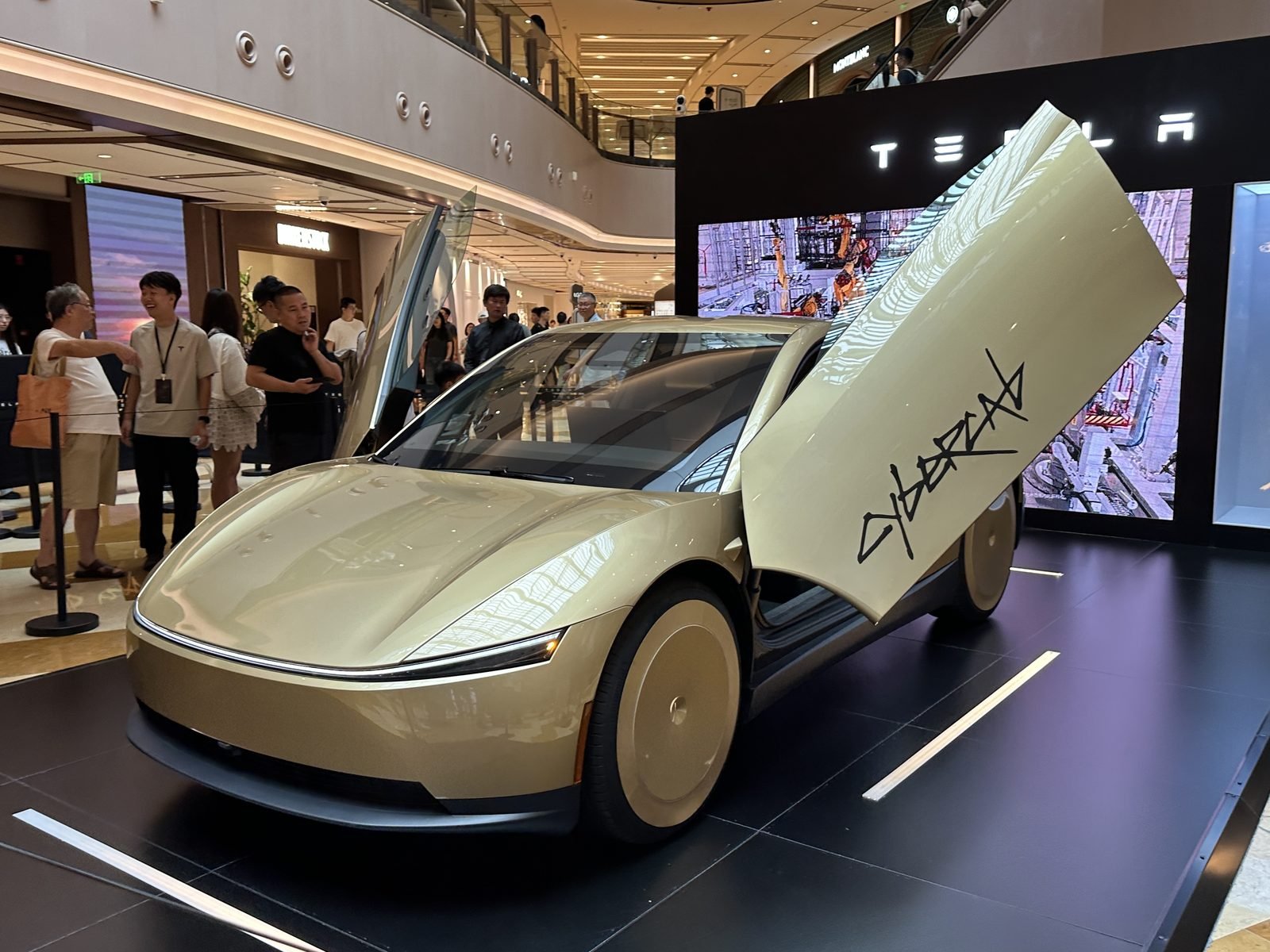
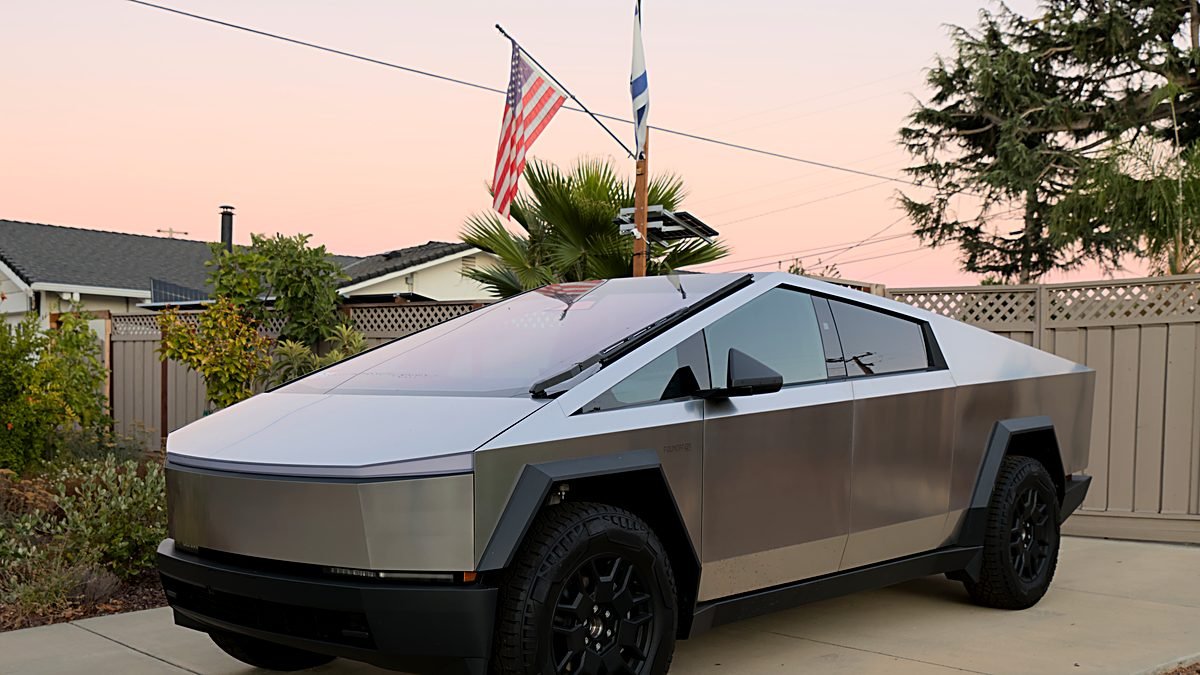
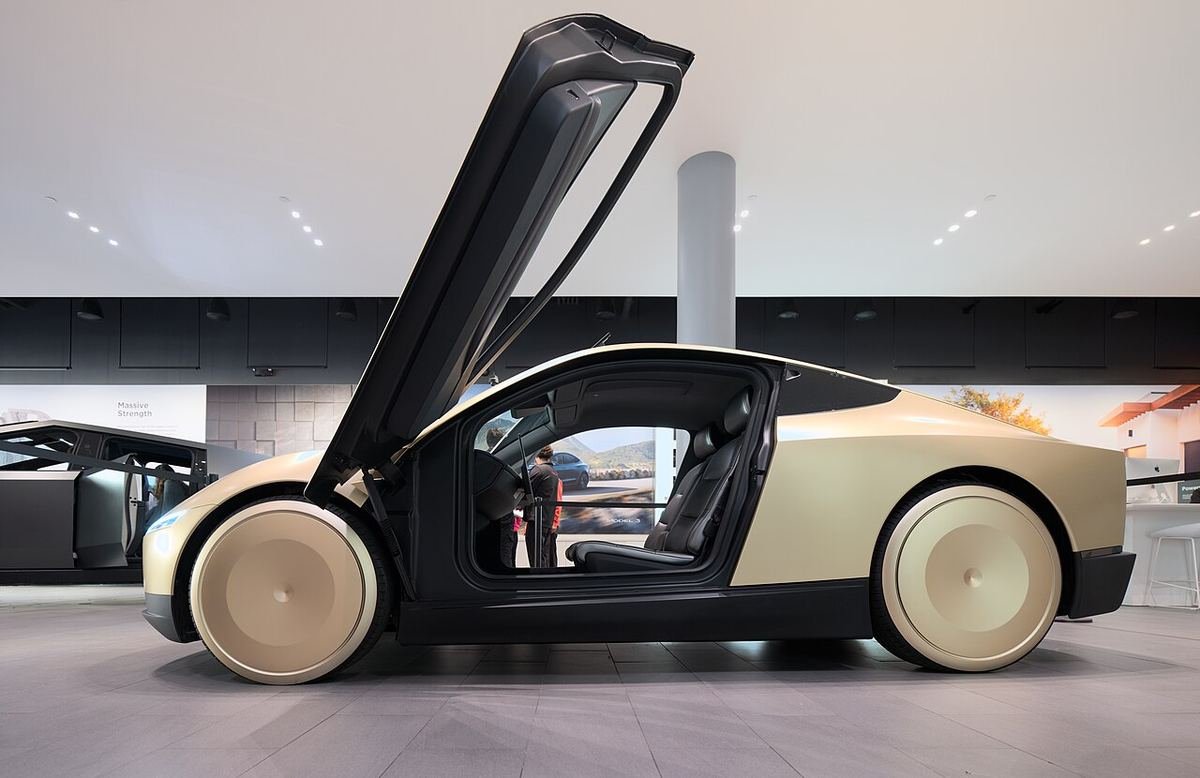
The robot is the other piece. Tesla ended Model S and Model X production this spring and turned the Fremont lines over to Optimus, its humanoid robot. The Cybertruck is on its way out too — production winds down in 2027 so the Texas factory can build the Cybercab, the steering-wheel-free robotaxi. A merged company would put the robot, the robotaxi, and the rocket under one roof, all running on the same AI work.
Finland just became the 11th EU country to give Tesla’s Full Self-Driving provisional approval, and an EU-wide vote is expected in December. That vote, and the December 3 shareholder meeting, are the two dates that frame the merger story.
The two problems that could still stop it
A deal this big has two problems, and both are hard.
The first is China. Tesla builds a large share of its cars in Shanghai, and China is one of its biggest markets. SpaceX, meanwhile, holds sensitive US government and defense contracts. Regulators and shareholders will want to know how Tesla’s China operations get separated — ring-fenced — from SpaceX’s defense work. JPMorgan analyst Rajat Gupta put it bluntly in a note last month, calling the two “key dynamics that are at odds with each other.” That China problem was already flagged as the deal’s biggest risk weeks ago.
The second is politics. Democrats took control of Congress in the midterm elections and have pledged to probe Musk’s business and political dealings. Bloomberg notes the merger would be an early test of that mood — and the companies have previously said they want to close a deal before the end of President Trump’s term, which sets a clock that has nothing to do with cars or rockets.
Then there is the shareholder math. A deal would need approval from Tesla’s shareholders as well as both boards. Musk has said he wants broad support — reports tracking his October comments put his bar at half of all Tesla shares. And Barclays noted that 11 percent of the votes at Tesla’s 2025 annual meeting were broker non-votes that counted against proposals, so getting that support is a real job, not a formality.
The numbers: $3.4 trillion, 30,220 bitcoin, and the vote
The deal’s numbers are so big they are hard to hold in your head, so here are the ones that matter.
| Figure | Number |
|---|---|
| SpaceX market value | More than $1.9 trillion |
| Tesla market value | About $1.5 trillion |
| Combined value | About $3.4 trillion |
| Bitcoin held by both | 30,220 coins, about $2.1 billion |
| Tesla close, Nov 12 | $397.45, up 1.7% |
| SpaceX close, Nov 12 | $139.94, up 0.1% |
Market values and share prices as reported on November 12–13, 2026. Bitcoin balances come from the companies’ quarterly filings.
The bitcoin is a footnote that tells you how rich these companies are. Together they hold 30,220 bitcoin — SpaceX holds 18,712 and Tesla holds 11,509, both balances unchanged since December 2025. At a price near $69,000, that is about $2.1 billion, or 0.06 percent of the combined company’s value. A merger would put the coins under one roof without either company buying a single extra one.
The analyst view is split. Barclays analyst Dan Levy, who first floated the December timing in October, wrote that a combination “has increasingly become the consensus expectation” among investors. Wedbush analyst Dan Ives puts the chance of a deal closing in 2027 at 80 to 90 percent. Prediction markets are far less sure: traders on Kalshi give a 2026 deal about a 19 percent chance, and Polymarket puts it near 24 percent.
The gap between the analysts and the betting markets is the story in one line: the smart money thinks this happens, and the betting money wants proof.
What it would mean if you drive a Tesla
Start with what would not change. A merger is a corporate deal, not a product launch. Your car’s price, warranty, service, and charging would stay the same the day after any announcement. Nobody is rebadging your Model Y as a Starship.
What could change over time is what goes into the next Tesla. The Terafab chip plant is the clearest example: a merged company would design and build its own AI chips, and those chips would end up in cars, robots, and rockets alike. Starlink could also find its way into Teslas as built-in connectivity, and the self-driving work would share data and engineering with SpaceX’s AI infrastructure.
The risk cuts the other way too. A $3.4 trillion company spanning cars, rockets, satellites, and robots would be the biggest regulatory target in American business, and a fight over China or defense contracts could pull management attention away from the car business. Tesla’s Shanghai factory — which builds cars for China and for export — would sit at the center of that fight.

For buyers, the practical read is simple: do not wait for the merger, and do not buy a Tesla because of it. The Model Y at $39,990 and the Model 3 at $36,990 are the same cars they were last week. If the deal happens, its effects on drivers will show up in the 2027 and 2028 models — in chips, software, and driver-assistance features — not in the car you buy this month.
The same logic applies to the robotaxi. Tesla’s Texas fleet just passed Waymo’s in size, and unsupervised miles are growing fast. A merged SpaceX would not change that trajectory overnight, but it would give the robotaxi program a sister business that already runs a global satellite network and some of the most advanced AI infrastructure on the planet. That is the bet Musk is making.
What happens next
Three dates matter now. The first is December 3, Tesla’s annual shareholder meeting, where Musk, chair Robyn Denholm, and JB Straubel are all up for re-election. The second is the EU-wide vote on Full Self-Driving, expected in December. The third is the announcement window itself: December, or early 2027 if the talks drag.
What to watch for is a filing, not a headline. Until SpaceX or Tesla files something that says a deal is agreed — a merger agreement, a shareholder vote, an exchange ratio — the talks are just talks. The last filing on the record, SpaceX’s October 22 quarterly report, says no determination has been made.
If December passes without an announcement, the story does not die. Barclays has said an announcement could still come within six to 12 months if the December window is missed. The merger is a question of when, not if, in the eyes of the analysts who follow it closest — but the prediction markets, and the companies’ own filings, say to wait for proof.
The US EV market has reset to a smaller size since the $7,500 federal tax credit ended, and Tesla is fighting for every buyer in it. A merger will not change that fight tomorrow. But if it happens, the company selling you your next Tesla will be a very different one from the company that sold you your last.
More on Tesla’s car business is on our EV news page, and the rest of today’s car news is on the EVThrottle homepage.
Tesla–SpaceX merger questions, answered
Are Tesla and SpaceX merging?
Talks are progressing and Bloomberg reports an announcement could come as soon as December, but no deal is signed and it could slip into early 2027. Both boards set up special committees in October to study a combination.
How much would the combined company be worth?
About $3.4 trillion: SpaceX is worth more than $1.9 trillion after its June stock market listing, and Tesla is worth about $1.5 trillion. If it closes, it would be the largest merger ever.
When will we know for sure?
Tesla holds its annual shareholder meeting on December 3, 2026, and Bloomberg’s sources point to December as the earliest announcement window. Nothing is binding until both boards and Tesla’s shareholders approve a deal.
What could stop the deal?
Two big issues: separating Tesla’s China business from SpaceX’s US defense work, and the exchange ratio for Tesla shareholders. JPMorgan analyst Rajat Gupta called them key dynamics that are at odds with each other.
Would a merger change my Tesla?
Not in the near term. Your car’s price, warranty, service, and charging would stay the same. Over time, shared chips, Starlink connectivity, and self-driving tech could change what future Teslas can do.
What are the odds it actually happens?
Analysts are split. Wedbush puts the chance of a deal closing in 2027 at 80 to 90 percent. Prediction markets are far less sure, pricing a 2026 deal at roughly 20 percent.